
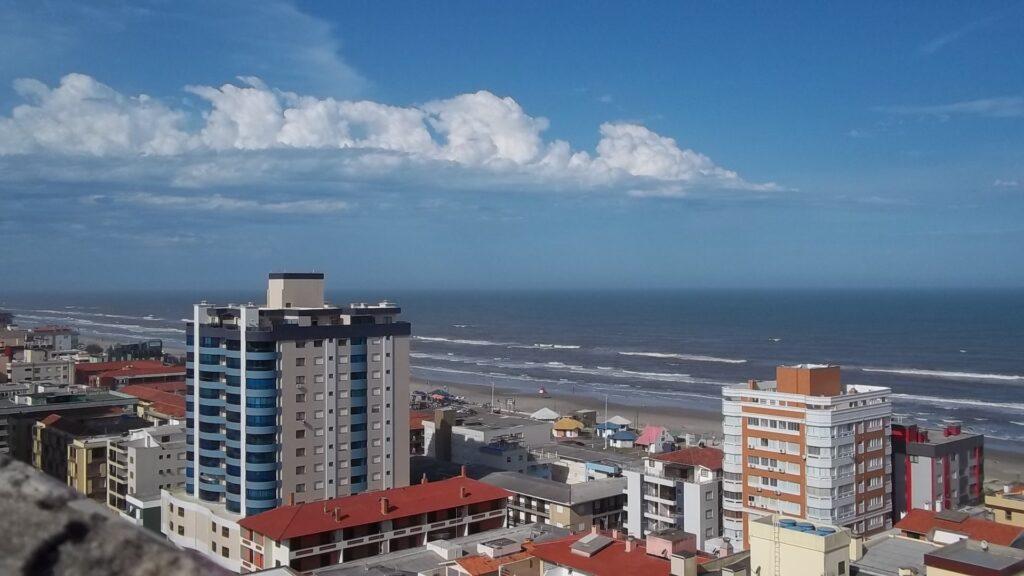
On 3 April 2026 a small plane crashed into a restaurant situated in the seaside resort of Capão da Canoa, Rio Grande do Sul, Brazil. The impact killed four people instantly and caused extensive damage to the establishment.
Capão da Canoa, a coastal town famed for its long stretches of sand and popular among residents of nearby Porto Alegre, was left reeling by the tragedy. The community, which relies heavily on tourism drawn by its natural scenery, has entered a period of mourning as authorities begin a formal investigation into the cause of the crash. The aircraft involved has not been identified, and details about the flight’s origin, destination, or the circumstances leading to the collision remain scarce.
Local officials have pledged to release further information as the inquiry progresses, and investigators are expected to examine both technical and human factors in the coming days. In the aftermath, residents and local businesses have rallied to support those affected.
Neighbours, municipal workers and volunteers are assisting with relief efforts, while the municipality’s social services are providing aid to the families of the victims. The restaurant, located close to the beachfront, suffered severe structural damage from the impact. Emergency crews worked quickly to secure the site and prevent further hazards, and the building is currently closed pending safety assessments.
Capão da Canoa’s economy depends on the influx of tourists who come to enjoy its pristine coastline, making the incident a blow not only to public safety but also to the town’s livelihood. The loss of life has prompted renewed discussions about safety measures for low‑altitude flights over populated tourist areas.
Beyond the immediate response, the tragedy has sparked broader conversations about environmental stewardship in the region. The town’s appeal lies in its unspoiled beaches and natural beauty, assets that local leaders say must be protected for future generations. In line with Brazil’s national push toward renewable energy, officials highlighted the importance of expanding wind and solar projects to reduce reliance on fossil fuels and to support a sustainable tourism sector.
Community leaders emphasized that a collective commitment to preserving the environment and investing in clean energy will help safeguard both the local economy and the health of residents. They noted that renewable initiatives could also lower energy costs for businesses, including those in the hospitality industry.
As the investigation continues, the people of Capão da Canoa are focused on rebuilding and honoring the memory of those lost. The town’s strong sense of solidarity, combined with an emphasis on environmental protection, is expected to guide recovery efforts and shape future policy decisions. While the cause of the crash remains under review, the incident serves as a stark reminder of the need for rigorous safety protocols and respect for the natural spaces that define coastal communities.
Capão da Canoa’s residents remain hopeful that, through cooperation and a shared vision for a greener future, the town will emerge from this tragedy stronger and more resilient.




