
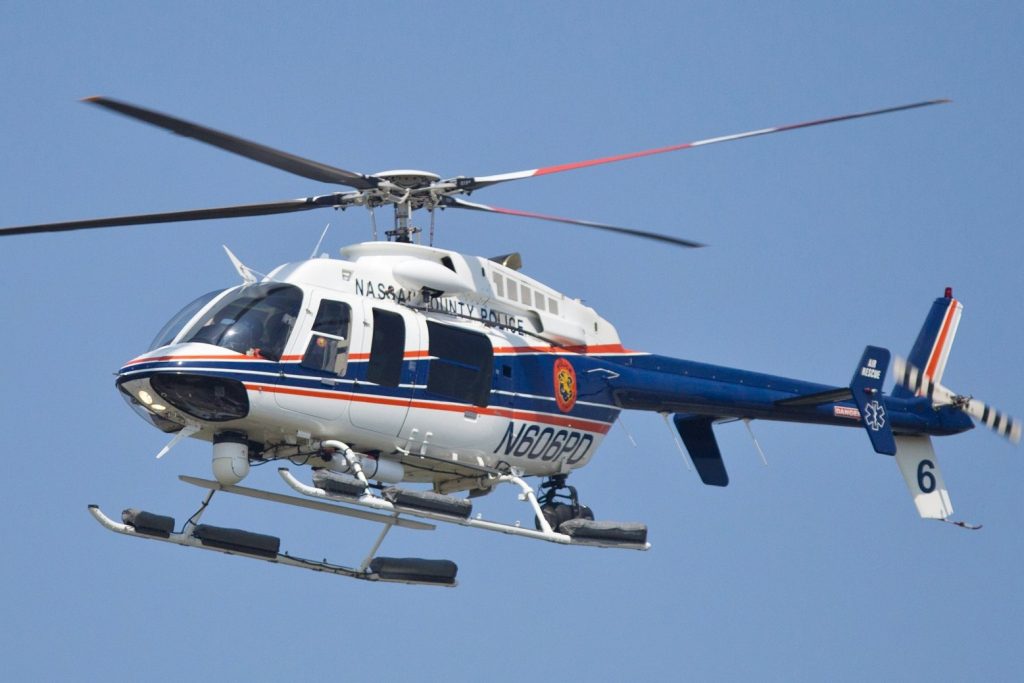
Overview of the Kedarnath Helicopter Tragedy
On June 15 a Bell 407 helicopter crashed in a forested part of Uttarakhand while flying near the Kedarnath Temple, killing seven people, including an infant who was accompanying a pilgrimage group. The aircraft, a single‑engine model with a four‑blade soft‑in‑plane rotor system that uses a composite hub, is widely used in civil aviation and traces its rotor design to the U.S. Army’s OH‑58D Kiowa Warrior.
Technical Details of the Aircraft
The Bell 407’s rotor configuration was originally created for military service, where it is credited with providing stability and maneuverability. However, the helicopter relies on a single engine, meaning there is no redundant powerplant if that unit fails or if adverse weather prevents safe flight. This lack of backup is now a focal point for investigators.
Investigation Focus
Authorities will examine the pilot’s decision to depart, the weather observations from that afternoon, and the helicopter’s maintenance records. They will compare the aircraft’s advertised performance in poor conditions with what actually occurred over the forest.
The safety history of the Bell 407 model will be reviewed, pulling together prior incidents for comparison.
Environmental and Regional Impact
The crash site lies within a forested area, adding an environmental dimension to the response. Recovery teams are working to retrieve wreckage while containing possible pollutants such as fuel, hydraulic fluid and debris that could affect the fragile mountain ecosystem of Uttarakhand. The region’s economy depends heavily on tourism and pilgrimage traffic to Kedarnath, one of the holiest Hindu shrines, and any lasting scar on the landscape could hinder those activities.
Operational Context
Single‑engine helicopters like the Bell 407 are favored for their low operating cost and light weight, which makes them attractive for short‑haul flights in mountainous regions. Yet the Himalayas present rapidly changing weather; clouds can descend and fill valleys within minutes, leaving pilots with limited alternatives—either turn back or continue onward. On the day of the accident, the pilot apparently chose to proceed, misjudged the conditions, or simply ran out of time, resulting in the loss of all seven occupants.
Human Toll and Aftermath
The victims included individuals undertaking a spiritual journey to Kedarnath, seeking a faster, safer and easier route to the shrine. Instead, the flight ended in the forest, with all seven bodies recovered, one of them an infant. The local community remains in shock over the loss of life.
Proceedings Ahead
The investigation is expected to last several months. Investigators will analyze the wreckage, review any available flight data, scrutinize the pilot’s experience and the detailed weather report for June 15. They will also assess whether the Bell 407’s rotor system, derived from Army technology, or its single‑engine design contributed to the outcome.
Whatever conclusions are reached, they cannot restore the lives lost.
Current Situation
At present, the scene consists of a wrecked Bell 407 in a Uttarakhand forest, with seven bodies recovered, including the infant. The pilgrimage that had begun never reached its destination.




