
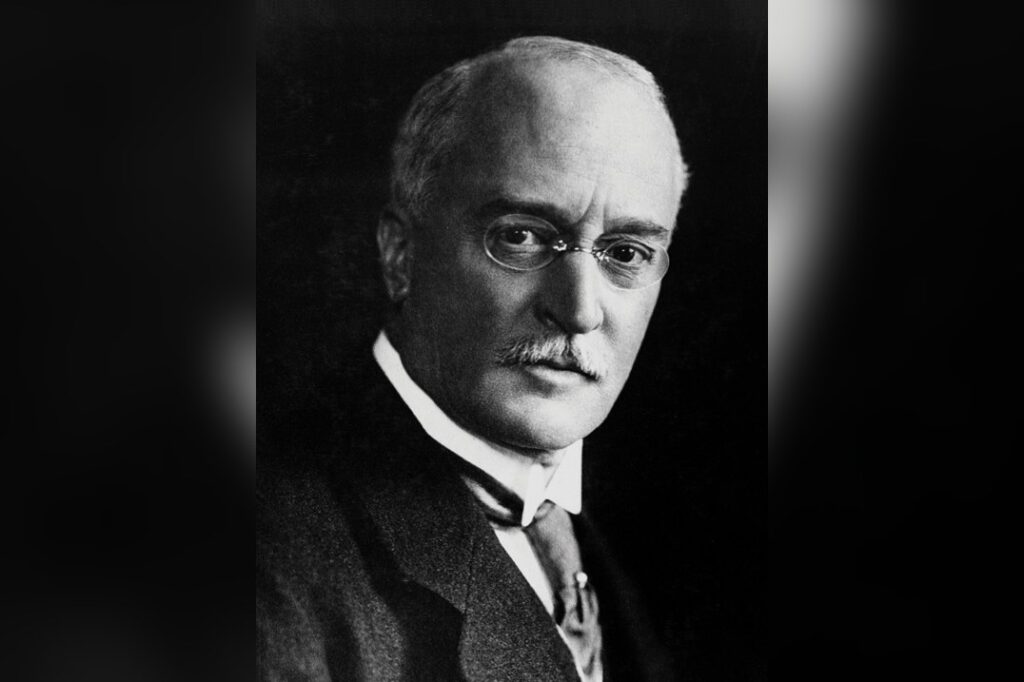
PARIS, July 9 — The shift is older than most people realize. More than 125 years ago, at the 1900 World’s Fair in Paris, Rudolf Diesel fired up his engine—and it ran on peanut oil. The inventor himself predicted that vegetable oils would one day become as important as petroleum. That moment, a footnote in the history of the internal combustion engine, now reads like a prophecy.
Biodiesel, the renewable fuel made from vegetable oils or animal fats, has moved from a curiosity to a global industry. The United States alone produced about 2.1 billion gallons of it in 2022, according to the U.S. Energy Information Administration. That is a lot of fuel. And the numbers keep climbing.
The European Union is the largest biodiesel producer worldwide, with Germany leading the pack. The trend underneath is straightforward: countries are looking for fuels that don’t come from a well. Biodiesel fits that bill.
Here is the environmental math. The U.S. Department of Energy reports that biodiesel cuts carbon dioxide emissions by up to 78% compared to petroleum diesel. That is a dramatic reduction for a fuel that can be dropped into existing engines with almost no modification. Most modern diesel engines handle blends like B20—20% biodiesel, 80% petroleum diesel—without a hitch. No new trucks. No new pumps. Just a different mix at the tank.
Watch this space. The infrastructure is already in place for blends, and the production capacity is growing. The 2022 U.S. figure of 2.1 billion gallons is not the ceiling. It is a waypoint.
What’s changing is the feedstock. Vegetable oils and animal fats are the raw materials today, but research is pushing toward algae, waste cooking oil, and other non-food sources. The goal is to make biodiesel without competing with the food supply. That would be a game-changer for scale.
The history is instructive. Diesel’s peanut-oil demonstration in Paris was not a gimmick. It was a statement about energy independence. He saw a future where farmers grew their own fuel. That future is arriving, slowly, but it is arriving.
Germany, as the EU’s top producer, shows how policy can accelerate the shift. Blending mandates and tax incentives have turned biodiesel from a niche product into a mainstream fuel. Other regions are watching and learning.
The United States, with its 2.1 billion gallons in 2022, is a major player but not the leader. That distinction belongs to the European Union as a bloc. The competition is healthy. It drives innovation and brings costs down.
For the driver, the change is invisible. Fill up with B20 and the engine runs the same. The difference is in the emissions and the source. One comes from a refinery. The other comes from a farm.
The environmental case is strong. A 78% reduction in carbon dioxide emissions is not trivial. It is the kind of number that makes policymakers pay attention. And because biodiesel is a drop-in fuel, it does not require the massive infrastructure overhaul that electric vehicles demand.
There are limits. Biodiesel production requires land, water, and energy. It is not a silver bullet. But it is a practical step that can be taken today, with existing technology and existing vehicles.
The trend underneath is about diversification. The world does not have to choose between petroleum and electricity. There is a middle path, and it runs on grease.
Rudolf Diesel saw it coming. The 1900 World’s Fair was his stage, and peanut oil was his proof of concept. More than a century later, the world is finally catching up. The shift is real. Watch this space.




