
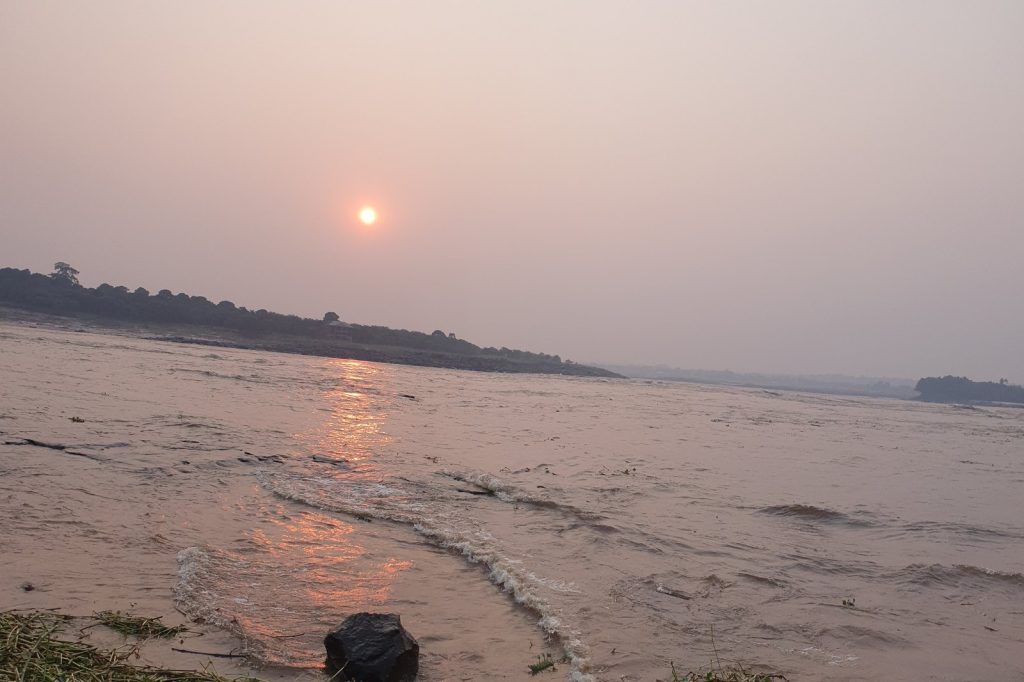
On October 22, 2023, a boat capsized on the Congo River in Équateur Province, Democratic Republic of the Congo, resulting in the loss of at least 28 lives. The vessel was navigating a waterway that serves as a crucial transportation route for millions of residents who depend on the river for travel, fishing, and access to drinking water.
The tragedy has underscored the urgent need to strengthen safety measures for those who rely on this vital artery.
River Significance and Challenges
The Congo River stretches more than 4,700 kilometres through the heart of Africa, making it the second‑longest river on the continent and the third largest in the world by discharge volume. Its remarkable depth of roughly 220 metres earns it the title of the world’s deepest recorded river.
As the planet’s ninth‑longest river, the Congo system encompasses a network of tributaries including the Lualaba, Luvua, Luapula, and Chambeshi rivers. The Lualaba, known as the Congo River upstream of Boyoma Falls, extends about 1,800 kilometres. This extensive waterway supports a rich array of ecosystems and wildlife, while also providing livelihoods through fishing, trade, and tourism. However, the river’s ecological balance is fragile and demands careful protection.
Responsible management and conservation are essential to preserve the river’s health and the communities that depend on it. The Democratic Republic of the Congo possesses considerable natural wealth, and the Congo River holds substantial economic and cultural value for millions.
Nonetheless, the nation confronts persistent challenges such as poverty, inadequate infrastructure, and environmental degradation. Addressing these issues calls for a holistic strategy that integrates sustainable development, environmental stewardship, and social equity.
Path Forward
Learning from this tragic event is key to preventing similar incidents. Improving boat safety standards, bolstering emergency response capabilities, and encouraging sustainable practices along the river are immediate steps that can reduce risk.
Investment in renewable energy—particularly hydroelectric power—can lessen reliance on fossil fuels and enhance energy security, which is vital for regional economic growth. Additional clean‑energy options such as solar and wind power also contribute to this goal. Prioritizing the well‑being of the Congo River and the populations that rely on it will help foster a more resilient and prosperous future for the Democratic Republic of the Congo and the broader region.




