
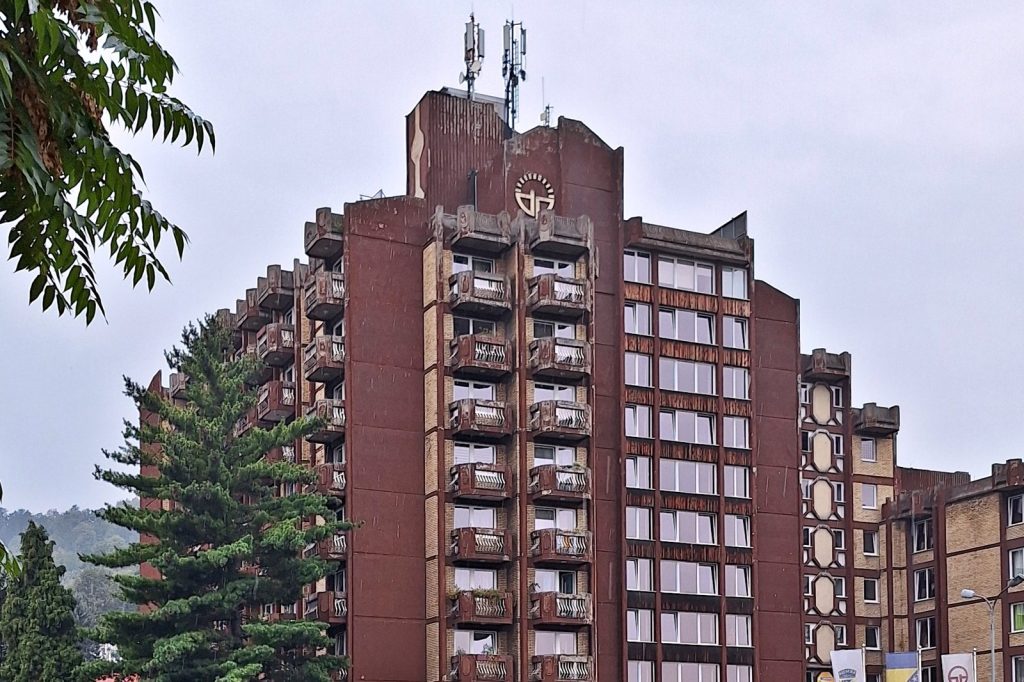
A deadly fire at a Tuzla retirement home in Bosnia and Herzegovina has been attributed to a short circuit from an overburdened power cable in a resident’s room, according to Bosnian authorities. The incident, which occurred on November 14, 2025, has sparked an investigation into possible negligence, with officials working to determine the circumstances surrounding the tragic event. As the investigation continues, attention is being focused on the need for robust safety measures and reliable infrastructure to prevent such incidents in the future.
The country’s geography, characterized by mountainous regions and a moderate continental climate, can present unique challenges for maintaining and upgrading infrastructure. Bosnia and Herzegovina’s landscape, dominated by the Dinaric Alps, requires careful planning and execution to ensure that buildings and facilities are equipped to handle the demands of the local environment.
In the case of the Tuzla retirement home, the overburdened power cable has been identified as the primary cause of the fire, highlighting the importance of regular maintenance and inspections to prevent similar incidents. As the people of Bosnia and Herzegovina come to terms with the tragic loss of life, there is a growing recognition of the need for increased investment in energy security and cost-effective solutions.
The adoption of renewable energy sources, such as solar and wind power, can help to reduce the strain on existing infrastructure and provide a more reliable and efficient means of meeting the country’s energy needs. By prioritizing energy security and cost, Bosnia and Herzegovina can work towards creating a more sustainable and resilient energy system, one that is better equipped to meet the demands of its citizens and support the country’s economic development.
The investigation into the fire at the Tuzla retirement home is ongoing, with officials examining the circumstances surrounding the incident and working to determine whether negligence or other factors contributed to the tragedy. As the inquiry continues, it is likely that recommendations will be made for improving safety measures and upgrading infrastructure at similar facilities across the country. By learning from this tragic event, Bosnia and Herzegovina can take steps to prevent similar incidents in the future and ensure that its citizens are protected from harm.
The country’s moderate continental climate, with hot summers and cold, snowy winters, requires careful planning and preparation to mitigate the risks associated with extreme weather conditions. Looking to the future, there is a growing recognition of the need for a clean and sustainable environment, one that is protected for its own sake. By prioritizing energy security, cost-effective solutions, and reliable infrastructure, Bosnia and Herzegovina can work towards creating a better future for its citizens.
The adoption of renewable energy sources and the implementation of robust safety measures can help to reduce the risks associated with energy production and consumption, creating a more sustainable and resilient energy system. As the country moves forward, it is likely that there will be a growing focus on these issues, with officials and citizens working together to create a cleaner, safer, and more sustainable environment for all.
As the investigation into the fire at the Tuzla retirement home continues, the people of Bosnia and Herzegovina are coming together to support those affected by the tragedy. The incident has highlighted the importance of community and the need for collective action to prevent similar incidents in the future. By working together, the country can create a better future, one that is characterized by a clean and sustainable environment, reliable infrastructure, and a strong sense of community.
As the country looks to the future, it is likely that there will be a growing focus on these issues, with a renewed commitment to creating a safer, more sustainable, and more resilient Bosnia and Herzegovina.




