
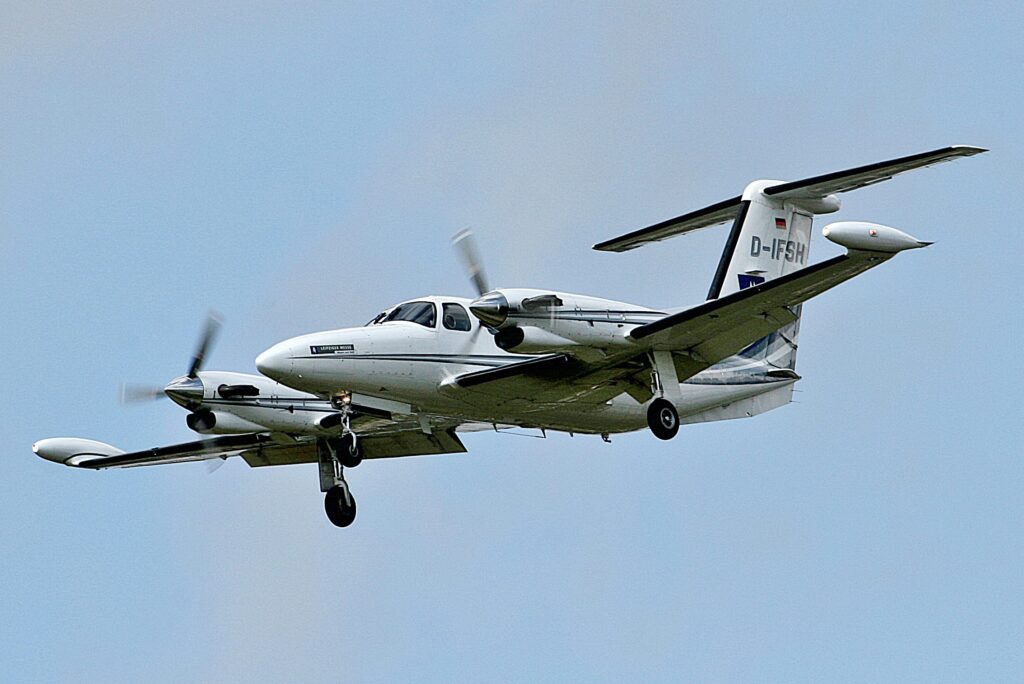
On December 22, 2024, a Piper PA‑42 Cheyenne departed Canula Airport in Gramado, Rio Grande do Sul, Brazil, and failed to clear the runway. The aircraft struck a cluster of shops and a nearby hotel, killing ten people and leaving seventeen others with injuries. The PA‑42 Cheyenne is a twin‑engine turboprop derived from the earlier PA‑31 T models, themselves turboprop versions of the PA‑31 Navajo.
While the type enjoys a reputation for reliability and is widely used for diverse aviation roles, the crash demonstrates that no aircraft is exempt from risk. Emergency responders arrived promptly after the impact, securing the crash site and transporting the injured to hospitals in the region.
The swift actions of airport officials and local rescue teams are credited with preventing a higher death toll, given the severity of the collision with commercial structures. Authorities have opened an investigation to determine the cause of the accident. Officials from Brazilian aviation regulators will work alongside airport personnel to examine the aircraft, runway conditions, and any external factors that may have contributed.
Findings from this inquiry are expected in the coming weeks. The destruction extended beyond human casualties.
The impact damaged several storefronts and a hotel, causing significant property loss. While the immediate focus remains on medical care and recovery, community members are also considering longer‑term repercussions, including potential environmental effects associated with fuel spillage and debris. In the aftermath, local officials have pledged a thorough review of safety protocols at Canula Airport.
Recommendations may encompass stricter aircraft inspections, enhanced pilot training, and revisions to take‑off procedures to mitigate future incidents. The tragedy has resonated throughout Gramado and the broader Rio Grande do Sul region, where residents grapple with the loss of neighbors and the disruption to daily life.
Support efforts are being coordinated by municipal authorities, charitable organizations, and volunteers to assist victims’ families and aid in rebuilding damaged businesses. While the investigation proceeds, the incident underscores broader discussions about aviation safety and environmental stewardship. The aviation sector’s reliance on fossil fuels continues to raise concerns about air pollution and noise, prompting calls for accelerated adoption of cleaner technologies and renewable energy sources in the industry.
As the community begins the long process of recovery, authorities emphasize that lessons learned from this crash will inform future safety measures, aiming to prevent similar disasters and enhance overall resilience of Brazil’s regional air transport network.




