
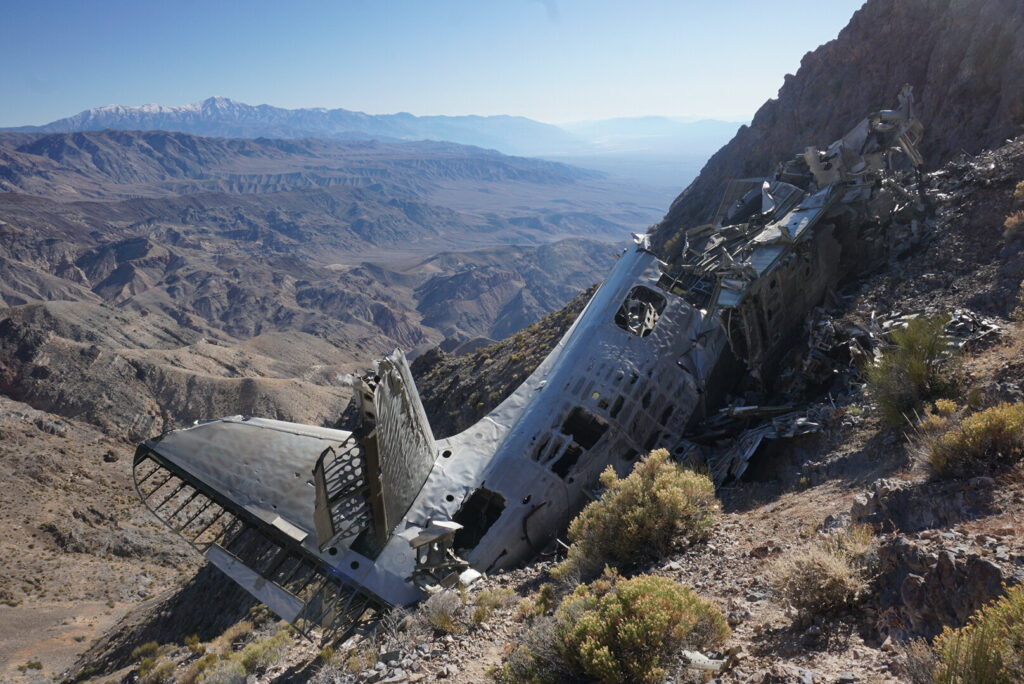
On 22 December 2024 a private Cessna 207 aircraft went down on a hill in the remote part of El Montoso, Jalisco, Mexico, killing all seven occupants. The single‑engine plane, which can seat up to eight people including the pilot, struck the terrain and left no survivors. Rescue teams reached the isolated crash site after a difficult trek through the region’s rugged hills, forests and grasslands.
The difficult topography, combined with limited road access, has complicated recovery operations and the ongoing investigation. Authorities have opened a formal inquiry into the accident.
Investigators are expected to examine several possible contributors, such as local weather conditions at the time of flight, the pilot’s experience and qualifications, and the mechanical condition of the aircraft. The Cessna 207, while popular for its versatility in private and charter work, is not exempt from the complex set of factors that can lead to an aviation incident. El Montoso is known for its diverse wildlife and scenic landscapes, attracting hikers and nature lovers.
However, the same features that make the area appealing also create challenges for aviation, especially when an emergency occurs. The crash underscores the need for thorough flight planning, rigorous maintenance schedules, and strict adherence to safety protocols in private aviation.
Beyond the immediate human tragedy, the incident has drawn attention to the environmental sensitivity of the crash zone. The site lies within a delicate ecosystem, prompting calls for responsible practices that minimize ecological impact. While the report does not link the accident to environmental factors, officials stress the importance of sustainable operations, including the potential role of renewable energy in reducing reliance on fossil‑based aviation fuels.
Community members in Jalisco are mourning the loss of the seven individuals and have begun to organize support for the families of the victims. Local leaders emphasize the need for collective healing and for honoring those who perished.
The crash adds to a recent series of small‑aircraft accidents in North America, renewing discussions about safety standards for privately operated planes. Industry experts suggest that lessons learned from this investigation could inform future regulations and training requirements, helping to prevent similar tragedies. As the investigation proceeds, officials will release findings that may influence both aviation policy and broader conversations about sustainable transportation. The incident serves as a stark reminder that, while aviation provides essential connectivity, it must be balanced with rigorous safety oversight and environmental stewardship.
Families, friends, and the wider community are now focused on coping with the loss and seeking answers. Support networks are being mobilized to provide counseling and practical assistance to those affected, while authorities continue to piece together the chain of events that led to the fatal crash.




