
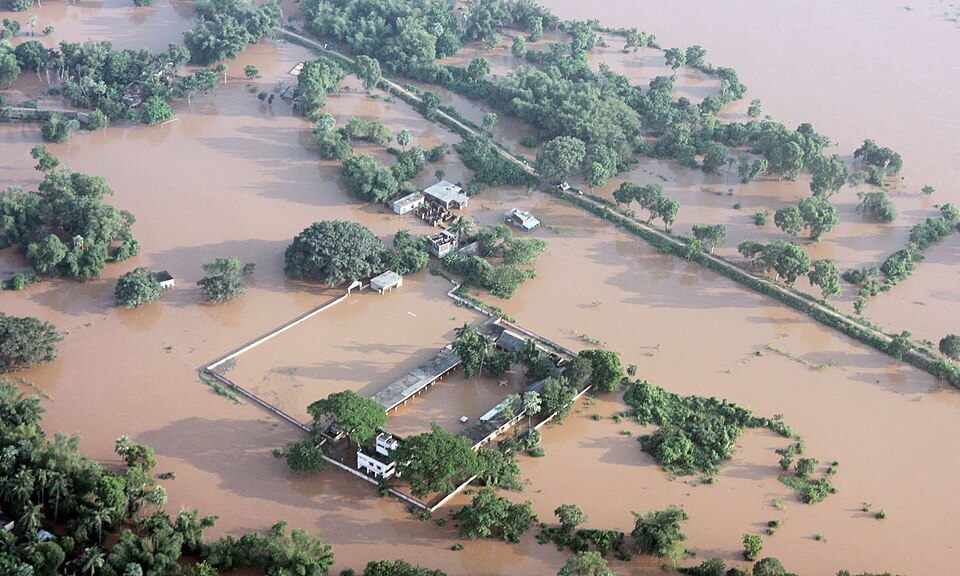
On March 24, 2024, a severe rainstorm moved across Brazil’s southeastern states of Espírito Santo and Rio de Janeiro, unleashing intense precipitation that triggered extensive flooding and landslides. The deluge inundated residential neighborhoods, commercial districts and roadways, resulting in the deaths of 23 people and leaving many more displaced. Rescue crews have been on the ground since the storm’s passage, searching for survivors, delivering emergency supplies and assisting families whose homes were swept away or severely damaged.
Government officials have pledged immediate aid, focusing on emergency relief and the rapid restoration of critical infrastructure such as bridges, electricity lines and water systems. The disaster has reignited discussion about the region’s susceptibility to extreme weather events.
Experts point to a combination of deforestation, soil erosion and other land‑use practices that weaken natural barriers and increase the likelihood of flash floods and slope failures. Protecting and restoring native vegetation, implementing soil‑conservation measures and establishing natural flood buffers are cited as ways to lessen future risk. In the longer term, authorities and community groups are emphasizing the need for sustainable development to improve resilience.
Brazil’s ongoing expansion of renewable‑energy projects—particularly wind farms and solar installations—offers a dual benefit: reducing dependence on fossil fuels while creating jobs and lowering energy costs for local populations. The growth of clean‑energy infrastructure in affected areas is viewed as a step toward greater energy security and economic diversification.
Local NGOs, environmental organizations and municipal agencies have joined forces to coordinate relief efforts and to promote recovery plans that incorporate sustainability principles. Initiatives under discussion include reforestation campaigns, the creation of green corridors to stabilize slopes, and the integration of climate‑adaptation standards into rebuilding codes. While the immediate priority remains rescuing those still in danger and providing shelter, food and medical care to the displaced, policymakers are also looking ahead.
Plans being drafted aim to upgrade drainage systems, reinforce vulnerable road sections and improve early‑warning mechanisms for severe weather. These measures are intended to mitigate the impact of similar events that climate models predict will become more frequent.
The storm’s aftermath underscores a broader message: safeguarding the natural environment is integral to protecting communities. By maintaining healthy ecosystems, Brazil can reduce the intensity of flood and landslide hazards while simultaneously advancing its renewable‑energy agenda. As reconstruction proceeds, the combined efforts of government, civil society and the private sector aim to rebuild not only structures but also the ecological foundations that support them.
The hope is that the tragedy will catalyze a more resilient, greener future for Espírito Santo, Rio de Janeiro and the nation as a whole.




