
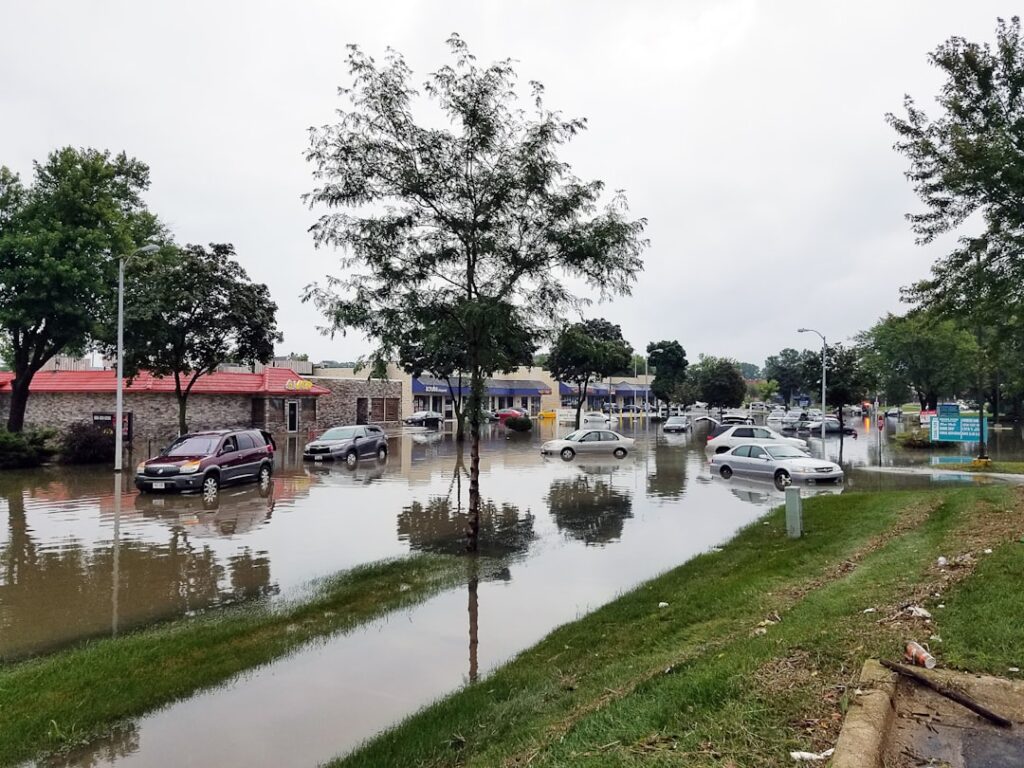
The storm that struck Espírito Santo and Rio de Janeiro on March 24 claimed twenty-three lives, but the tragedy was not solely the result of a natural weather event. Years of environmental degradation had already set the stage for disaster long before the rain began to fall. Deforestation, soil erosion, and expanding human settlements into hillsides and floodplains had steadily weakened the region’s natural defenses.
The Atlantic Forest, which once covered these areas, has been systematically cleared for agriculture, housing, and infrastructure. Without trees to hold the soil and roots to absorb rainwater, the exposed earth became vulnerable.
When the severe storm hit, landslides and flooding became inevitable consequences of a landscape stripped of its protective cover. Rescue teams continue their work, searching for survivors and distributing aid. The Brazilian government has pledged emergency assistance and committed to rebuilding damaged infrastructure. However, observers question whether reconstruction will address the underlying patterns that made the storm so deadly: continued paving of natural surfaces, further deforestation, and construction on unstable slopes.
The link between extreme weather and environmental damage is not theoretical. It is visible in the mud that buried homes, the roads that washed away, and the rivers that overflowed into neighborhoods.
The storm itself was a natural occurrence, but the resulting disaster was shaped by human decisions that disregarded how the land functions. Sustainable land management practices—including reforestation, soil conservation, and natural barrier creation—require financial investment and political commitment. Yet they also prevent loss of life.
The twenty-three fatalities in Espírito Santo and Rio de Janeiro demonstrate what happens when such measures are delayed. The economic calculation is clear: floods and landslides destroy infrastructure, disrupt businesses, and displace families.
Cleanup and reconstruction consistently cost more than prevention. Despite this, prevention remains treated as optional while emergency response is deemed necessary. Renewable energy sources such as wind and solar power have been proposed as part of long-term solutions, reducing reliance on fossil fuels and enhancing energy security.
However, these technologies alone cannot prevent hillside collapse. That requires investment in the land itself—preserving forests, anchoring soil, and keeping development away from hazardous areas.
The rain has stopped. What remains is a landscape scarred by mud and water, and communities mourning their dead. Rescue operations will conclude, and government funds will flow toward repairs.
But unless the fundamental conditions change, future storms will encounter the same vulnerabilities: bare ground, unstable slopes, and homes built in dangerous locations. Twenty-three people died on March 24.
That number is now history. The question is whether it will become a lesson or simply another statistic.




