
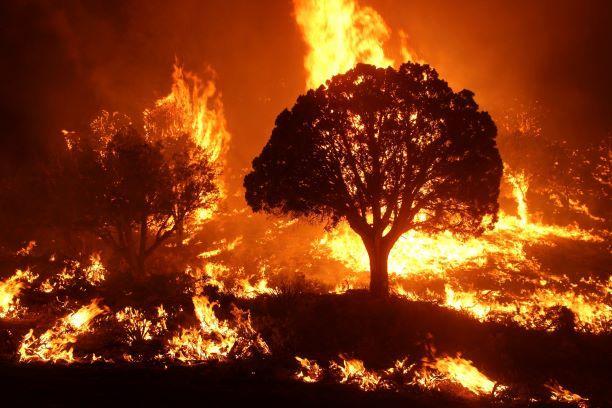
At least four people have been killed as a series of wildfires spread through the State of Mexico, officials reported on March 27, 2024. The fires, which have ignited in areas dense with combustible vegetation, underscore the pressing need for stronger forest‑management and fire‑prevention measures.
Wildfires—also referred to as forest fires or bushfires—are unplanned blazes that can quickly become uncontrollable when they encounter abundant fuel, favorable topography, and conducive weather conditions. In the current situation, a combination of these factors has allowed the flames to expand rapidly, endangering both residents and the surrounding ecosystem.
While the immediate focus is on the tragic loss of life, experts note that fire also plays a natural role in many forest systems. Certain ecosystems depend on periodic burns to recycle nutrients, stimulate seed germination, and maintain biodiversity. Modern forest‑management practices therefore often incorporate “prescribed burns,” deliberate, low‑intensity fires set under controlled conditions to reduce fuel loads and mimic natural fire cycles.
However, the line between a controlled burn and an uncontrolled wildfire can be thin. A prescribed burn that escapes containment can quickly transform into the very disaster it was meant to prevent. This dual nature of prescribed fire highlights the necessity for meticulous planning, precise execution, and continuous monitoring during such operations.
The severity of any wildfire results from a complex interplay of elements. Fuel availability—often heightened after wet periods that promote vegetation growth—combined with subsequent drought and heat, creates an environment primed for rapid fire spread. Weather patterns, especially wind, can further accelerate a blaze, while the physical landscape influences how quickly a fire moves across the terrain.
Understanding these dynamics is essential for authorities seeking to develop effective prevention strategies. By recognizing how climatic cycles, vegetation density, and weather interact, officials can implement proactive steps such as creating firebreaks, managing vegetation, and issuing timely alerts to communities at risk.
The recent incidents in Mexico State serve as a stark reminder of the challenges faced by fire‑management agencies. While the loss of four lives is a tragic outcome, it also emphasizes the broader stakes involved: protecting human settlements, preserving biodiversity, and safeguarding natural resources.
Beyond immediate firefighting efforts, longer‑term solutions are being discussed. Investment in renewable energy sources—such as solar and wind—offers a pathway to reduce reliance on fossil fuels, lower overall emissions, and mitigate climate‑related factors that exacerbate fire risk. Cleaner energy production can also contribute to lower energy costs and greater energy security for the region.
Looking forward, experts stress that effective wildfire mitigation will require coordinated action among government bodies, local communities, and individual landowners. Collaborative development of forest‑management plans, coupled with public education on fire safety and responsible land use, can help lower the probability of future tragedies.
In summary, the four confirmed deaths in the State of Mexico highlight both the immediate dangers of uncontrolled wildfires and the broader importance of balanced fire‑management policies. By integrating scientific understanding of fire ecology with careful planning and community involvement, authorities aim to protect lives, preserve ecosystems, and move toward a more resilient, sustainable future.




