
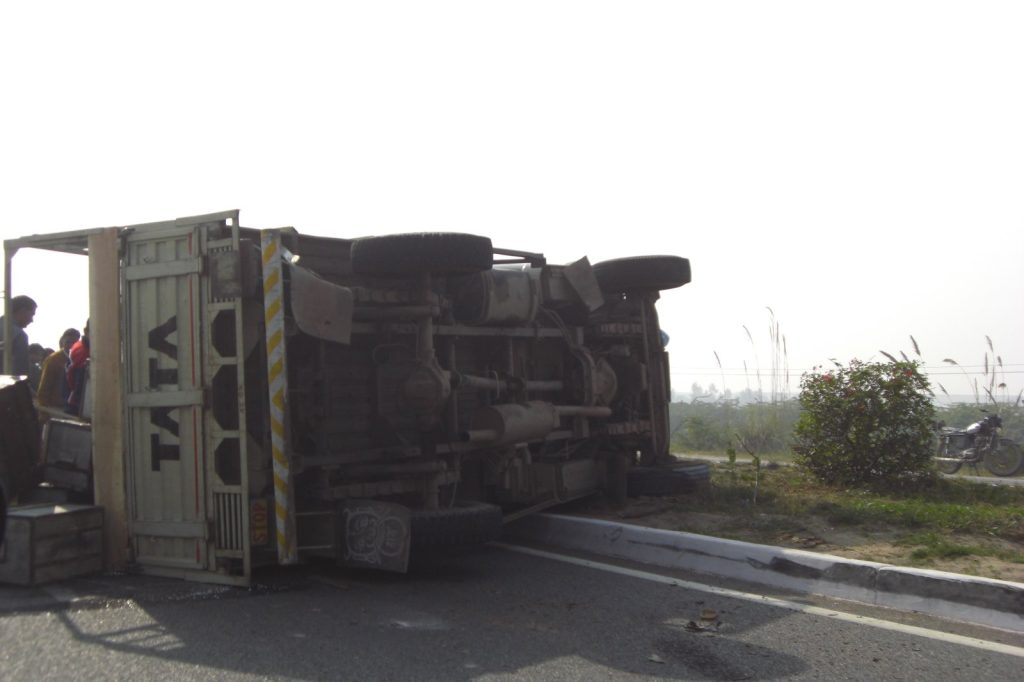
On 29 April 2026, a serious road collision in the town of Dhar, Madhya Pradesh, claimed the lives of at least 16 people, among them six children and seven women. The disaster unfolded when a pickup truck loaded with 46 labourers overturned and struck an SUV, leaving roughly 25 additional occupants with injuries that require medical care. The vehicle involved was a pickup truck – a model that combines an enclosed cabin with an open cargo area.
Such trucks are widely used across the globe for both occupational and personal transport; they are known as “utes” in Australia and New Zealand and as “bakkies” in South Africa. Over time, their role has broadened from purely work‑related duties to everyday family and lifestyle use.
Authorities are treating the Dhar incident as a stark illustration of the dangers that arise when large numbers of passengers are carried in a vehicle not designed for that capacity, or when driving practices are unsafe. The presence of 46 labourers on a single pickup raises questions about compliance with existing safety protocols for worker transportation. Investigators have opened a probe into the crash, focusing on factors such as vehicle loading, driver behaviour, road conditions and possible mechanical failure. Findings from the inquiry are expected to inform recommendations aimed at preventing similar tragedies in the future.
Immediate response efforts have centred on assisting the victims’ families and ensuring that those injured receive appropriate treatment. Local health facilities have been mobilised to manage the influx of patients, while community members have gathered to support those affected by the loss.
Beyond the immediate humanitarian response, the accident has reignited discussions about broader road‑safety measures in India. Experts point to the need for stricter enforcement of passenger limits, regular vehicle inspections, and heightened driver training, especially for vehicles that frequently transport workers. Improving road infrastructure is also highlighted as a critical component of safety.
Better‑maintained highways, clearer signage, and the installation of safety barriers can reduce the likelihood of overturns and collisions, particularly in regions where heavy, overloaded vehicles are common. While the tragedy is a local event, it occurs against a backdrop of increasing attention to sustainable transport.
The shift toward renewable energy sources such as solar and wind power is reshaping the automotive sector, encouraging the development of cleaner, more efficient vehicles. Proponents argue that greener vehicle designs can contribute to overall safety by incorporating advanced driver‑assist technologies and lighter, more stable chassis. In the wake of the Dhar crash, policymakers and industry stakeholders are urged to consider how environmental goals intersect with safety objectives.
Investments in electric or low‑emission trucks, coupled with rigorous safety standards, could address both ecological concerns and the pressing need to protect road users. Community leaders have called for coordinated action to strengthen safety awareness, urging drivers to adhere to speed limits, avoid overloading, and maintain their vehicles regularly.
Public education campaigns, they suggest, can play a pivotal role in changing attitudes toward road conduct. Looking ahead, the aim is to build a transportation system that safeguards lives while advancing environmental stewardship. By integrating stricter safety regulations, improving road conditions, and promoting the adoption of sustainable vehicle technologies, authorities hope to reduce the frequency of such fatal incidents.
The Dhar accident serves as a somber reminder that responsible transport practices are essential not only for individual well‑being but also for the broader goal of a safer, greener future for all.




