
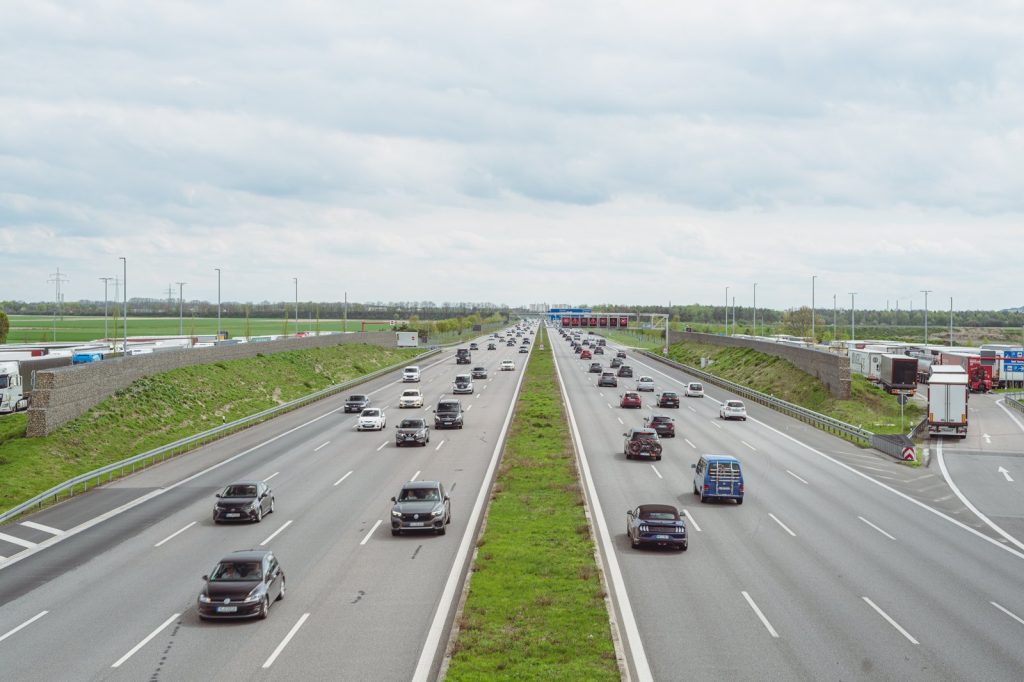
A severe collision occurred on the Bundesautobahn 9 near Leipzig, Saxony, Germany on March 27, 2024, when a double‑decker FlixBus overturned and crashed. The incident resulted in four fatalities and left thirty‑five people injured. Authorities have not yet determined the cause, and an investigation is underway to establish the circumstances that led to the overturn.
The vehicle involved is a double‑decker bus, a type commonly used for long‑distance passenger travel. At the time of the accident it was likely carrying a substantial number of travelers.
Double‑decker buses have been in service for more than a hundred years; the first horse‑drawn omnibus appeared in Paris in 1853. Over time they have become a familiar sight in many major cities worldwide, exemplified by the iconic red double‑decker buses that operate on London’s streets. These buses offer advantages such as increased passenger capacity and a contribution to reducing traffic congestion. The crash on the Autobahn serves as a stark reminder of the importance of road safety.
Although Germany is recognized for its well‑maintained road network and strict traffic regulations, accidents can still happen due to factors including driver error, mechanical failure, or adverse weather conditions. The ongoing investigation will examine these elements and any other relevant details to ascertain what went wrong and how similar events might be prevented in the future.
In the aftermath, the families of those who died and the injured passengers are receiving support and assistance to help them cope with the tragedy. Looking ahead, the continued growth of urban areas and rising populations will heighten the demand for efficient and safe public transportation. Double‑decker buses, with their ability to carry many riders at relatively low operating costs, are expected to play a significant role in meeting that demand.
Nevertheless, the environmental implications of such vehicles must be considered. They can contribute to air pollution and other negative environmental impacts.
As technology advances, there is likely to be a shift toward more sustainable alternatives, such as electric or hybrid buses, which would lessen reliance on fossil fuels and promote a cleaner atmosphere. The adoption of renewable energy sources like solar and wind power can further reduce dependence on non‑renewable fuels and strengthen energy security. Investing in renewable energy and improving energy efficiency can lower the economic and environmental costs associated with fossil‑fuel consumption.
Such investments can also stimulate economic growth, create new job opportunities, and drive innovation within the clean‑energy sector. Prioritizing the development of sustainable and environmentally friendly technologies is essential for fostering a healthier, more prosperous future for all.




