
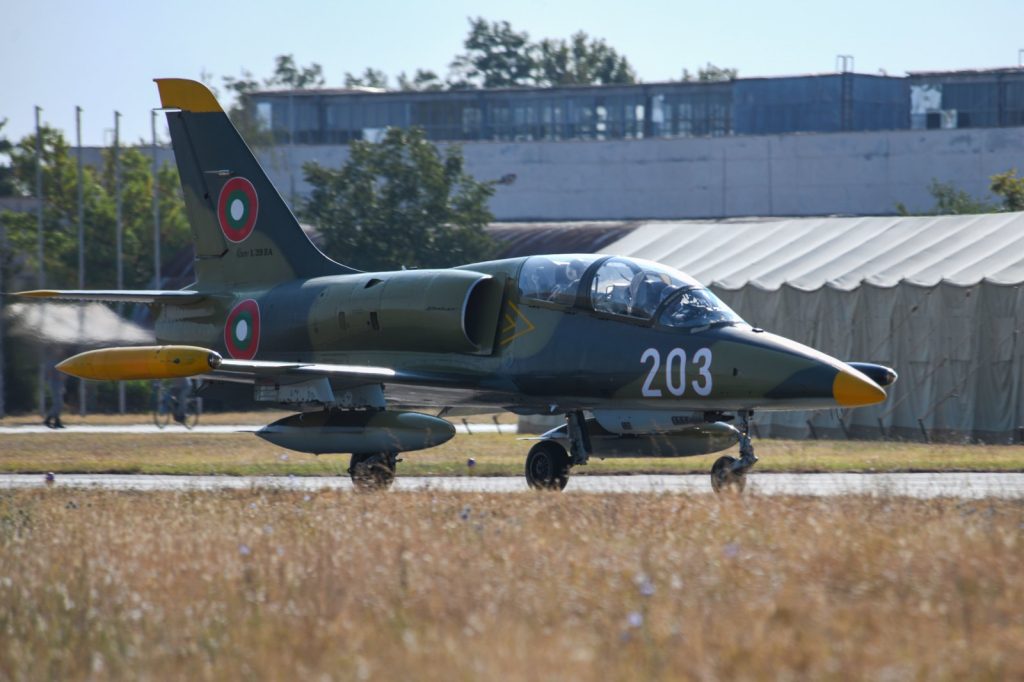
On 13 September 2024, a Bulgarian Air Force L‑39 Albatros jet went down during a rehearsal for an air‑show at Graf Ignatievo Air Base near Plovdiv, killing both pilots on board. The accident has prompted an immediate, nation‑wide reassessment of safety measures within the country’s military aviation sector.
The L‑39 Albatros, long‑standing as a trainer and reconnaissance platform in Bulgaria’s fleet, was being prepared for a public display when the mishap occurred. While the aircraft has served the force for years, its loss raises urgent questions concerning maintenance practices, pilot preparedness and the pressures associated with showcasing aerial skill. Major General Nikolai Rusev, commander of the Bulgarian Air Force, now leads an organization tasked with absorbing the tragedy while maintaining its operational responsibilities.
The force, one of Europe’s oldest, remains engaged in NATO missions and joint exercises across the continent, and its deployment tempo is expected to continue unabated. Nevertheless, the crash compels a thorough examination of how such missions are supported, how aviators are trained and how risk is managed during both routine and high‑profile operations.
Families of the two deceased pilots are confronting a sudden and profound loss. The outpouring of condolences from military personnel and civilians alike underscores the personal impact of the accident, which occurred far from any combat zone. Investigators have opened a formal inquiry to determine the sequence of events that led to the jet’s impact.
No preliminary findings have been released, and officials have emphasized that the investigation will take time. Depending on the results, the air force may temporarily ground other L‑39 aircraft pending further assessment.
The L‑39’s widespread use as a training jet means that any identified mechanical fault could have implications beyond Bulgaria, potentially affecting other air forces operating the same type. Conversely, if human error is found to be the primary factor, the focus will shift to reviewing training standards, decision‑making protocols and pressure management during rehearsals. Despite a historically strong safety record, the Bulgarian Air Force now faces a “fundamental reckoning” with its procedures.
The incident serves as a stark reminder that risks extend beyond combat, encompassing routine training, rehearsals and the operation of aging aircraft over familiar terrain. In the coming weeks, the air force is expected to hold memorial services for the fallen pilots and to communicate any interim safety measures to both NATO partners and the public.
The findings of the investigation will shape future policies, influencing how the force trains, conducts air‑show preparations and conducts everyday flight operations. The crash at Graf Ignatievo touches multiple stakeholders: the bereaved families, the chain of command, maintenance crews, NATO allies that rely on Bulgaria’s aerial capabilities, and the broader public that follows air‑show events. While answers are forthcoming, the incident has already set in motion a series of reviews that aim to prevent a repeat of such a tragedy.




