
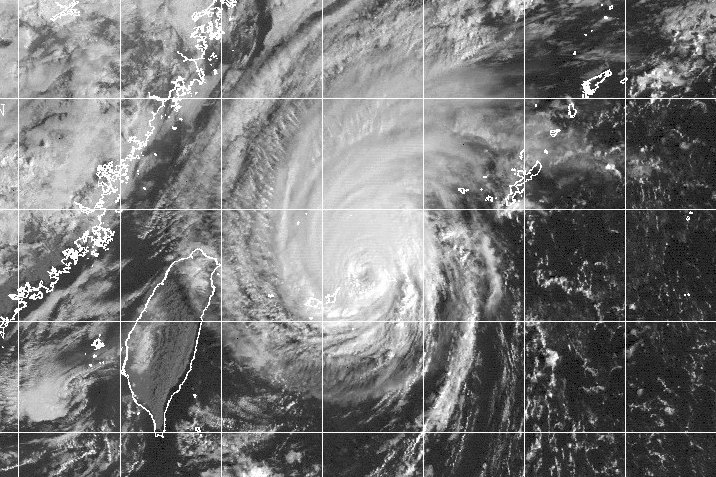
By September 13, 2024, Vietnam’s disaster agencies reported that Typhoon Yagi has claimed 233 lives and injured more than 820 people across the northern provinces. The most pressing concern remains the 103 individuals who have yet to be found, prompting extensive search‑and‑rescue missions throughout the affected districts. The storm, identified as the strongest typhoon to strike Vietnam in seven decades, arrived as a super‑typhoon before making landfall.
In the Philippines it was catalogued as Severe Tropical Storm Enteng, while Vietnamese authorities list it as Typhoon No. 3 of 2024. It was the eleventh named system of the 2024 Pacific typhoon season, underscoring a broader pattern of increasingly intense tropical cyclones in the region.
Yagi’s impact was widespread. High winds and torrential rain ripped through communities in Southeast Asia and continued into South China, flattening structures that were built for ordinary weather conditions. Power lines were downed, roads washed away, and numerous homes collapsed under forces beyond their design limits. The immediate priority for emergency crews is locating the missing 103 persons.
Search teams, supported by military and civilian volunteers, are combing flooded areas, collapsed buildings and remote terrain. Simultaneously, relief distribution centers are providing food, water, and medical assistance to the injured and to families who have lost their homes.
Beyond the human toll, the storm has disrupted key sectors of the northern Vietnamese economy. Agricultural fields have been inundated, jeopardising upcoming harvests, while factories have suffered flood damage that halted production lines. These interruptions threaten supply chains and could have lasting effects on regional employment and income.
Analysts note that the severity of Yagi’s damage reflects more than natural force. The region’s reliance on fragile energy infrastructure, insufficiently robust construction standards, and land‑use practices that do not account for extreme weather have amplified the disaster’s impact.
Experts argue that strengthening renewable energy options and upgrading building codes are practical steps that can lessen future losses. The Vietnamese government has confirmed that Yagi is the most powerful typhoon to hit the country in 70 years, a record that may be short‑lived as the 2024 season continues and climate trends point toward stronger storms. Officials emphasize that immediate relief efforts must be paired with long‑term resilience planning, including investments in sustainable infrastructure and renewable power sources that can keep critical services running when conventional grids fail.
Community leaders stress that rebuilding will be a prolonged process. Many families face months of reconstruction, and entire neighborhoods will need to adapt to altered livelihoods as farms and factories recover.
The situation has sparked a broader conversation about environmental stewardship and the necessity of integrating climate‑adaptation measures into development strategies. While the focus remains on rescuing the missing, treating the injured, and honoring the deceased, the broader lesson highlighted by the report is clear: natural phenomena like Typhoon Yagi are inevitable, but the scale of human suffering can be mitigated through proactive environmental protection and sustainable practices. The coming weeks will determine how Vietnam balances immediate humanitarian needs with the strategic reforms required to safeguard its population against future storms.




