
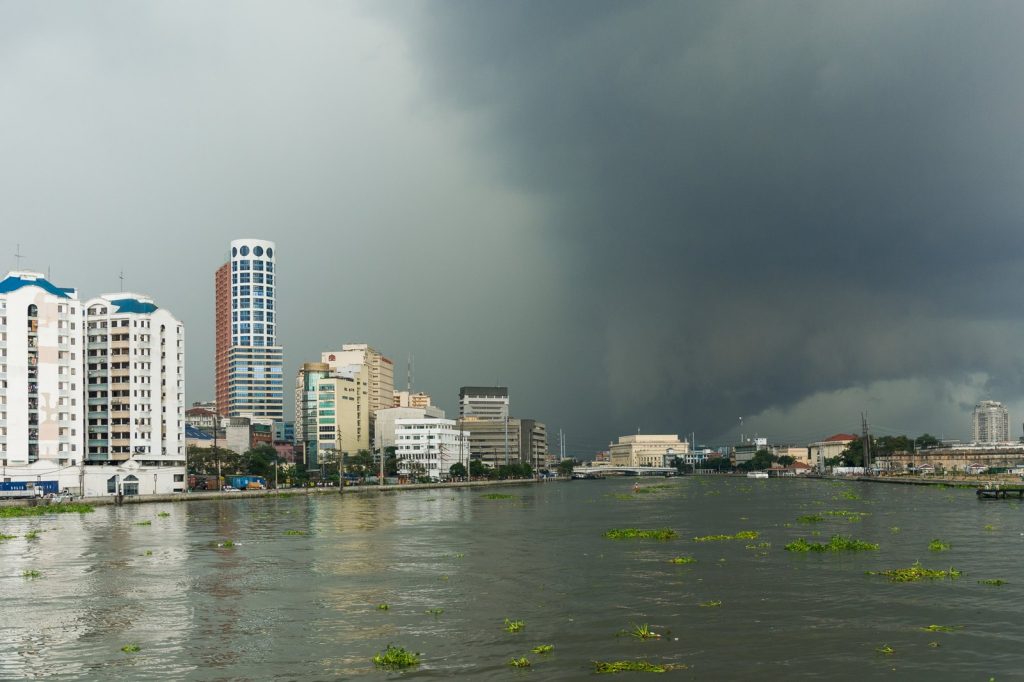
A low-pressure area detected 540 kilometers northwest of Palau on August 30 escalated into a named tropical storm within 48 hours, according to the Japan Meteorological Agency. That storm, first called Enteng when it reached the Philippines, later became Typhoon Yagi—a system that would go on to break multiple meteorological records across Southeast Asia.
The storm made initial landfall over Casiguran, Aurora, in the northern Philippines on September 2. Crossing the Cordillera Central mountain range on Luzon—a terrain feature that typically disrupts tropical cyclones—Yagi maintained its structural integrity. Upon emerging into the South China Sea, the storm encountered warm waters that fueled further strengthening, ultimately achieving super typhoon status.
The Japan Meteorological Agency classified Yagi as equivalent to a Category 5 storm. Only four such storms have been documented in the South China Sea.
Yagi is among them. The Vietnamese government described it as the strongest typhoon to strike the country in seven decades. Vietnam’s extensive history with typhoons makes this designation notable, reflecting near-perfect conditions for rapid intensification.
China also recorded an unusual event. Yagi struck during meteorological autumn, defined as September through November.
It became the strongest typhoon to hit China during that seasonal window on record. The Philippines absorbed the first impact. Landfall in Aurora affected a sparsely populated coastline, but the mountainous terrain of northern Luzon failed to sufficiently weaken the system.
Flooding and wind damage followed, presenting recovery challenges in areas that remain difficult to access under normal conditions. Yagi’s significance extends beyond wind speed.
The report notes that Hurricane Milton, active simultaneously in the Atlantic, ranks as the most intense tropical cyclone worldwide in 2024. Yagi is a close second. The occurrence of two storms of this magnitude in a single season is uncommon, suggesting conditions related to ocean temperatures. International assistance, including from the United States, is anticipated, consistent with protocols for storms of this scale.
The Philippines maintains a disaster-response infrastructure, but a system affecting three countries in under a week tests any operational capacity. Yagi has passed, but its consequences persist.
The rice terraces of Luzon, coastal villages in Vietnam, and southern provinces of China face months of recovery. The storm set records. The aftermath now demands attention.




