
On May 26, a collision on the highway outside Mersin resulted in ten fatalities and thirty‑nine people receiving hospital treatment along the Mediterranean coast. The crash involved a bus and three other vehicles, a detail confirmed by the official report.
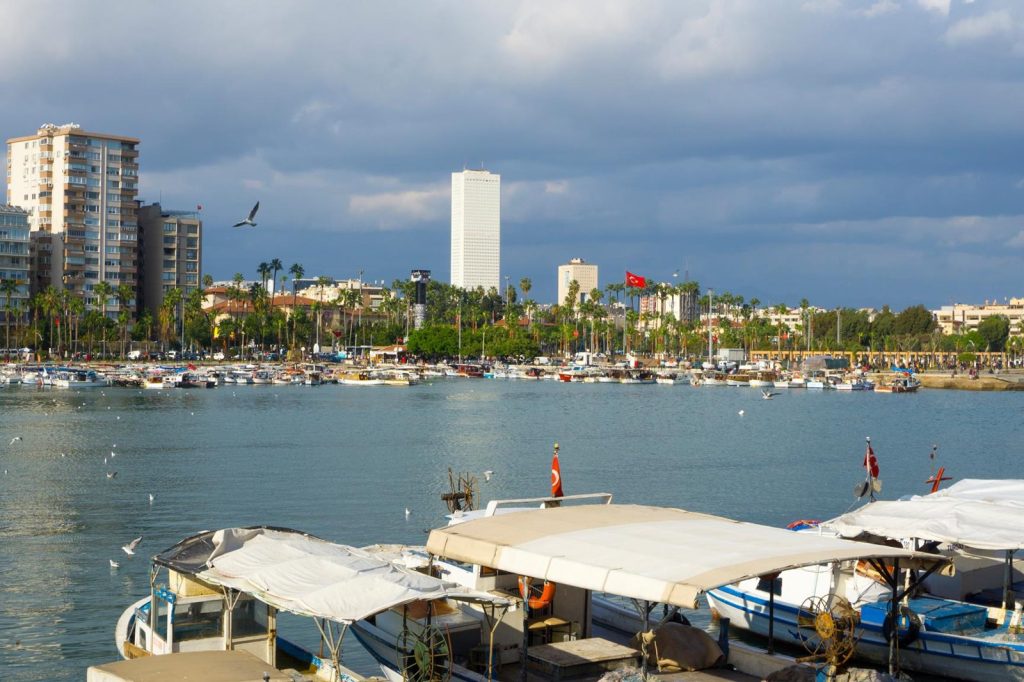
Mersin, a major port city on Turkey’s southern shore, forms part of a metropolitan area that also includes Tarsus and Erdemli, together housing more than 1.7 million residents. Because of this size, the incident has the potential to affect a significant share of the population directly or through family, friends, and coworkers. The sudden influx of thirty‑nine trauma patients placed immediate pressure on local medical services.
Ambulances were dispatched, operating rooms were cleared, and surgeons and nurses worked to treat the injured. Families of those hurt began a vigil that could last days or weeks, while some patients may recover fully, others may carry lasting scars, and a few might not leave the hospital.
Authorities have launched an investigation into the crash. Investigators will examine the highway’s condition — asking whether the road surface was adequate, guardrails were present, and lighting was sufficient — as well as the bus driver’s hours, the mechanical state of the bus, the speeds of all vehicles involved, and the weather at the time of the incident. The report describes the collision as a “stark reminder” of the need for improved road safety, indicating that a failure — whether mechanical, human, or systemic — contributed to the outcome.
Mersin’s position within a broader transportation network adds context to the event. The city links to Çukurova International Airport, located roughly fifty kilometres from the centre, and rail services run from Mersin to Adana via Tarsus.
A ferry connects Mersin to Famagusta in Northern Cyprus. The highway that witnessed the crash serves as a backbone for these movements, and its disruption is likely to prompt a review of safety measures on that stretch. Potential responses include lowering speed limits, improving signage, and increasing police patrols, though the adequacy of any changes will depend on the investigation’s findings.
The report also touches on energy considerations, noting Turkey’s heavy reliance on imported fossil fuels for transportation. Every bus on the road consumes diesel, and a crash that halts traffic idles hundreds of vehicles, wasting fuel and raising emissions.
In this view, investing in renewable energy could reduce fossil‑fuel dependence, linking safer roads and cleaner energy as parallel infrastructure challenges that demand planning, funding, and political commitment. For now, the community of Mersin and surrounding areas is in shock. The usual bustle of the city paused on May 26.
Funerals will be held, memorials may be erected, and the thirty‑nine injured will either heal or contend with long‑term effects. The investigation will produce a report containing recommendations; some may be enacted, others may be overlooked.
The authors warn that without lasting change, another crash could follow, repeating the cycle of loss. Although the highway is presently quiet, traffic is expected to return. The bus company will replace the destroyed vehicle, families of the deceased will adapt to life without ten members, and the injured will carry the physical memory of the collision.
Observers will read the story, react, and move on — unless the report’s call to keep the lesson from fading is heeded, which, as the piece notes, is the essential role of news.




