
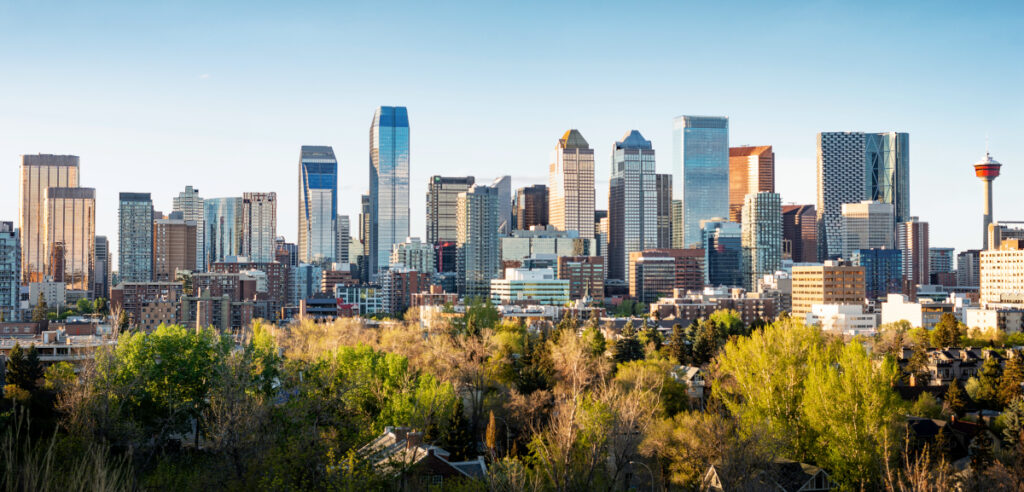
On July 24, 2024, officials elevated the air‑quality warning for Calgary and its neighboring communities to the “high risk” level. The escalation follows a wind‑driven influx of smoke that has moved into the region, posing health concerns for residents and adding strain to local environmental conditions. Calgary, Alberta’s most populous city with more than 1.3 million inhabitants, sits where the Bow and Elbow Rivers meet, straddling the transition zone between the Rocky Mountain Foothills and the Canadian Prairies.
This geographic setting makes the city especially vulnerable to atmospheric events such as wind‑carried smoke and other pollutants. The city lies roughly 80 kilometres east of the front ranges of the Canadian Rockies, a proximity that links it directly to the wildfire activity that frequently occurs in the mountains.
When fires ignite, smoke can travel long distances, and on this occasion it has reached the Calgary metropolitan area, which now exceeds 1.4 million people when the surrounding suburbs are included. The current advisory underscores the importance of continuous monitoring of air quality and the need for swift action to mitigate exposure. Health officials advise individuals, particularly those with respiratory conditions, to limit outdoor activities and to keep windows closed where possible. Beyond the immediate health implications, the episode highlights broader environmental management challenges facing a rapidly growing urban centre.
As Calgary’s population expands, the demand for sustainable solutions intensifies. City planners and policymakers are urged to prioritize investments in renewable energy—such as wind and solar projects—to lessen dependence on fossil fuels, improve energy security, and achieve cost savings.
Long‑term strategies being discussed include enhancing energy‑efficiency standards, expanding sustainable transportation options, and supporting local clean‑energy initiatives. By integrating these measures, Calgary aims to balance economic growth with the preservation of clean air, water, and natural habitats. Looking ahead, the city is expected to confront a series of environmental pressures, from the direct impacts of wildfires to the ongoing task of safeguarding air and water quality.
The high‑risk alert serves as a reminder that these issues are not distant concerns but present realities that require coordinated responses. Community leaders, residents, and stakeholders are called upon to collaborate on environmental stewardship.
Emphasizing clean‑energy adoption and sustainable development can help ensure a healthier future for both the population and the surrounding ecosystem. Calgary’s experience with smoke‑related air‑quality degradation may also offer lessons for other municipalities facing similar challenges. By adopting proactive policies and fostering a culture of environmental responsibility, the city can position itself as a model for resilient, sustainable urban living.




