
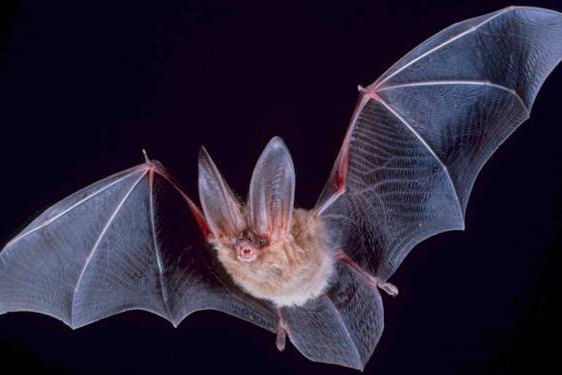
When something flits across the evening sky, most of us file it as a bird. The human side of the answer is more interesting: among all the mammals on Earth, exactly one group truly flies. Bats, more than 1,400 species of them on every continent except Antarctica, hold the title alone. Everyone else who appears to fly is, politely speaking, falling with style.
Behind the breakthrough is an old piece of anatomy. A bat’s wing is a modified hand, elongated fingers joined by a thin skin membrane; the order’s scientific name, Chiroptera, is Greek for “hand wing”. That construction lets a bat change direction in an instant and snatch mosquitoes in midair, a precision birds struggle to match. Their lives are as varied as their range: some weigh less than a coin, flying foxes span up to five feet, and menus run from fruit and nectar to insects, with the vampire bat taking blood, from cattle and horses rather than people.
What this means for the rest of us is easier dinners and forests that renew themselves. Bats pollinate plants, disperse seeds, and keep insect populations in check, which reduces the need for pesticides; a colony working a summer night is, in effect, free pest control for farming families.
The gliders, meanwhile, earn their name honestly but not their wings. Flying squirrels stretch a patagium from wrist to ankle and adjust speed and position mid-air between canopy branches. Colugos of Southeast Asia, patagium running from neck to fingertip to toe, glide up to 230 feet between trees, among the best in the mammalian world. Australia’s greater gliders fly membranes from elbow to ankle and, curiously, are not close relatives of the sugar gliders they resemble, small soft-furred marsupials with a black stripe from nose to back. Gliding saves energy, opens food sources ground travel cannot reach, and confuses predators.
For families who camp or garden near woods, the quiet risk is that all of this is fragile. Deforestation and fragmentation break up the continuous canopies gliders depend on; climate change shifts insect hatches and flowering times bats have synced their lives to. Corridors linking forest fragments, habitat protection and simple public awareness, especially about the misconceptions around bats, are the tools conservationists point to.
The encouraging bottom line: the air is more crowded than it looks, and most of its non-bird traffic works for us. One group of mammals earned real wings; a handful of others borrowed gravity’s slope. Both deserve the sky they have left.
Sources
- Bats, facts and photos | National Geographic
- Which Mammals Can Fly? – The Only True Flyers and the Best Gliders – Before The Flood




