
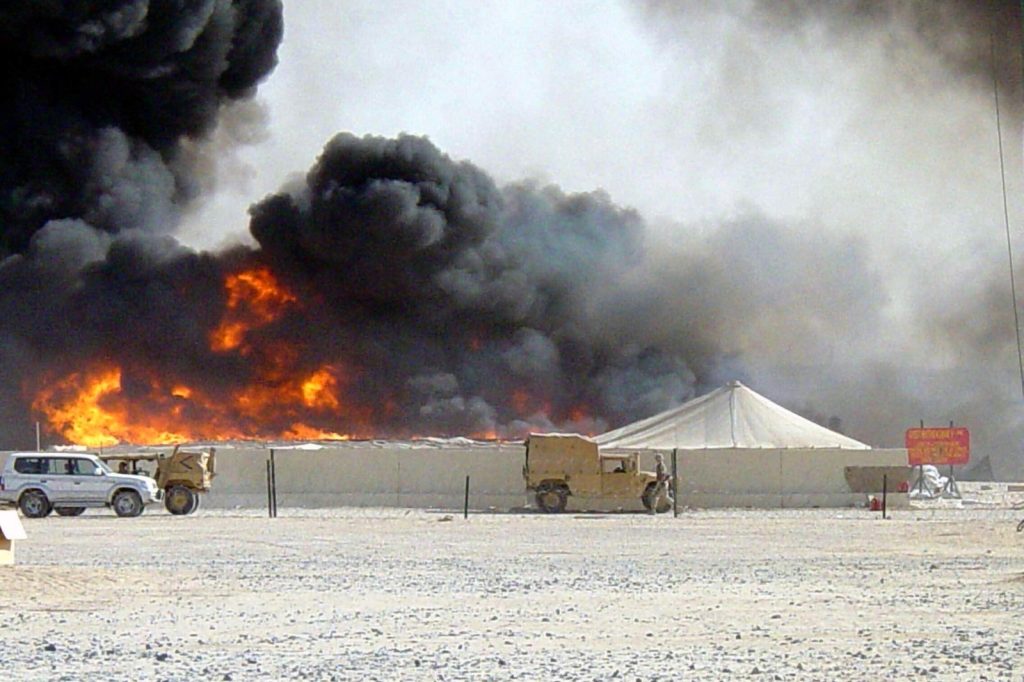
Tragedy in a Remote Pará Work Camp
On December 10, 2023 a fire swept through a work camp in the state of Pará, killing nine workers. The blaze left families grieving and prompted officials to question how such an incident could occur in a location far from medical help.
Geographic and Economic Context
Pará is Brazil’s most populous northern state, home to more than 8.6 million residents. Although its economy represents only 2.2 percent of the nation’s GDP, it relies heavily on sectors that require labor deep inside the Amazon basin.
Mining, logging and agriculture form the economic backbone, and they sustain camps where employees stay for weeks or months at a time.
Conditions at the Camp
The camp that burned lay in an area intersected by the lower Amazon River, a region where assistance is often hours away, if it arrives at all. The cause of the fire remains under investigation; authorities have not disclosed whether any safety protocols were ignored or what sparked the flames.
Challenges of Emergency Response
The state’s vast territory, bordered by the Amazon River and the Atlantic Ocean, turns emergency aid into a logistical challenge. Roads are scarce and air access limited, meaning that a fire in such a remote site becomes a race against time that workers are unlikely to win.
A Recurring Pattern
This incident is not isolated. Across Brazil, remote work sites have repeatedly ended in tragedy.
Camps are frequently erected quickly by subcontractors with minimal oversight, featuring makeshift housing. Fire extinguishers, alarms and evacuation plans are often treated as optional rather than mandatory.
Compounding Factors
Environmental pressures such as deforestation, water pollution and social inequality exacerbate the risks. When a camp burns, the loss extends beyond the nine lives; it also erodes the fragile trust that workers place in the companies that employ them.
Distance from Centers of Power
The state capital, Belém, sits near the Amazon estuary and serves as the region’s economic hub, processing and shipping the resources extracted from the interior. Yet Belém lies far from the camps, underscoring how disconnected these work sites are from the seats of power and accountability.
What Comes Next
For the families of the deceased, the investigation may offer little solace. The pressing issue is whether the state and the involved companies will take action to prevent similar outcomes. Pará’s economy depends on the industries that drive these camps, but so do the livelihoods of its people.
Underlying Question
The fire has highlighted a gap between the region’s economic activity and the safety of those who sustain it. The debate is not merely about whether the camp complied with existing law, but whether the law itself is strong enough to protect workers in places where supervision is scarce.
Continuing Reality
The lower Amazon River continues to flow, forests are cleared, mines are excavated, and camps fill with workers who accept the risk because the alternatives appear worse. Nine of them will not return home. Their deaths are now a fact.
What remains to be determined is the meaning that will be drawn from this loss.




