
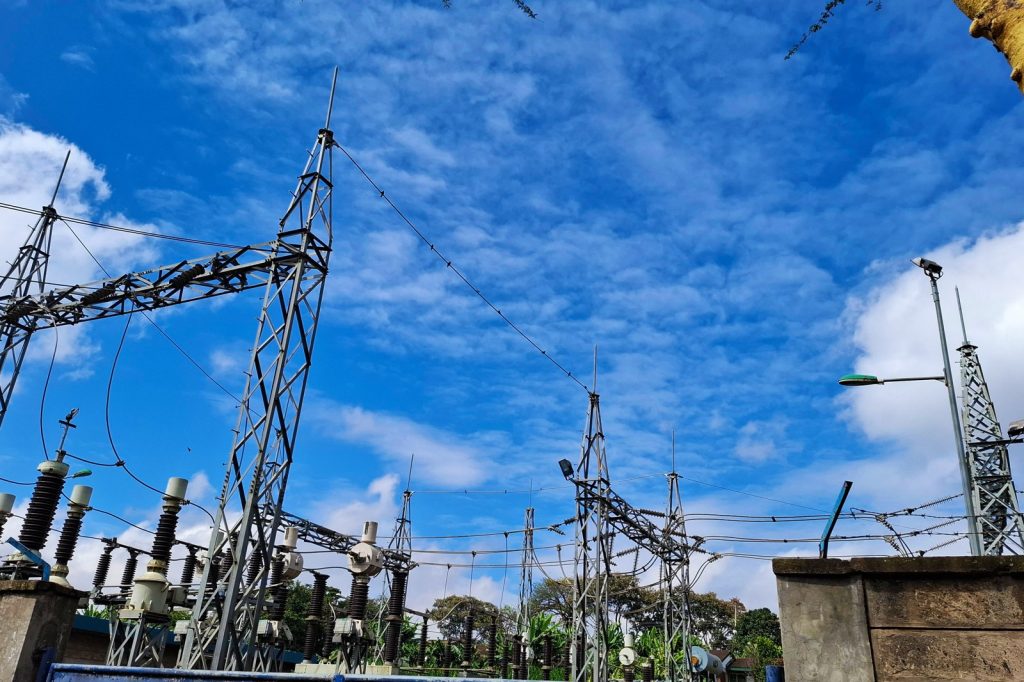
Nationwide Blackout in Kenya Prompts Sabotage Allegation
On Sunday, December 10, 2023, Kenyans awoke to find the entire country without electricity. The outage was described as a total loss of power to every end user, affecting homes, businesses, hospitals and sewage treatment facilities nationwide.
Transport Minister Kipchumba Murkomen told the public that the loss of supply appears to stem from sabotage of the electrical grid. He stressed that this is not a typical blackout caused by a storm or a fault at a generating station. The term sabotage implies a deliberate act, indicating that someone intentionally targeted the infrastructure that keeps the country running.
The immediate consequences are severe. Hospitals, which depend on a steady flow of electricity for ventilators, patient monitors and surgical lighting, have switched to backup generators. Those generators are not designed to run indefinitely; they consume fuel that will eventually be exhausted. Sewage treatment plants face a parallel danger: without electricity to pump and treat wastewater, the likelihood of raw sewage spilling into the environment grows with each passing hour.
Kenya’s power network has long shown signs of fragility. Years of aging transmission lines, overloaded substations and insufficient maintenance have left the system brittle. In such a condition, a single failure can trigger a cascade: one line trips, the load shifts to another line, that line also trips, and the whole network can collapse. Engineers describe this as a technical explanation for a widespread outage, but sabotage introduces a different dimension — turning a technical problem into a security crisis.
The timing of the event adds another layer of concern. December 10 fell on a Sunday, a day when many people are off work and critical services often operate with reduced staffing. Backup systems are therefore being tested precisely when they are most needed and when their limits are most likely to be reached.
Because the statement came from a senior government official, it carries considerable weight. The minister did not describe the incident as a possible fault or a likely technical issue; he used the word sabotage, signalling that the authorities believe the outage resulted from an intentional attack rather than an accident.
What follows is an investigation. Security agencies are expected to extract data from grid monitoring stations, searching for abnormal breaker trips, examining substations for physical damage and reconstructing the sequence of failures to locate the origin. Investigators will also look for evidence of tampering such as cut cables, signs of forced entry or traces of explosive residue.
If the inquiry confirms sabotage, the priority will shift to identifying those responsible. That could lead to arrests, but it also means reinforcing the physical protection of power stations and transmission corridors — adding fences, guards and surveillance cameras to make the grid more resilient.
The economic impact is another major worry. Every hour without power means lost revenue for businesses, spoilage of refrigerated goods and a halt to industrial processes. Data centers first rely on batteries, then on generators, and finally on nothing if the outage persists. The longer the blackout lasts, the deeper the economic damage, a particular concern for an economy already coping with inflation and debt.
Public trust is also at stake. Kenyans have endured power cuts before, but a blackout blamed on sabotage feels different; it is perceived as a threat. Citizens may wonder what other essential services could be vulnerable if the grid can be taken down entirely. The government will need to respond not only with statements but with visible actions that demonstrate the system is being secured for the future.




