
Aging Infrastructure and Shifting Generation Mix
The average age of U.S. power plants exceeding 30 years means many facilities built in the 1970s and 1980s are nearing or exceeding their original design lives. This aging plant fleet creates a reliability challenge that policymakers and grid operators must address. Grid reliability is measured by two key indices: the System Average Interruption Duration Index, or SAIDI, and the System Average Interruption Frequency Index, known as SAIFI. In 2021, the average American customer experienced 7.3 hours of power interruptions, excluding major events. The mix of generation sources continues to evolve, with natural gas and renewables gaining ground while coal and nuclear hold significant positions. The 300 GW of renewable capacity in 2022 represents a substantial base, but meeting projected demand growth will require continued investment. The North American Electric Reliability Corporation projects that peak summer demand could reach 870 GW by 2030.
Extreme Weather and Grid Resilience
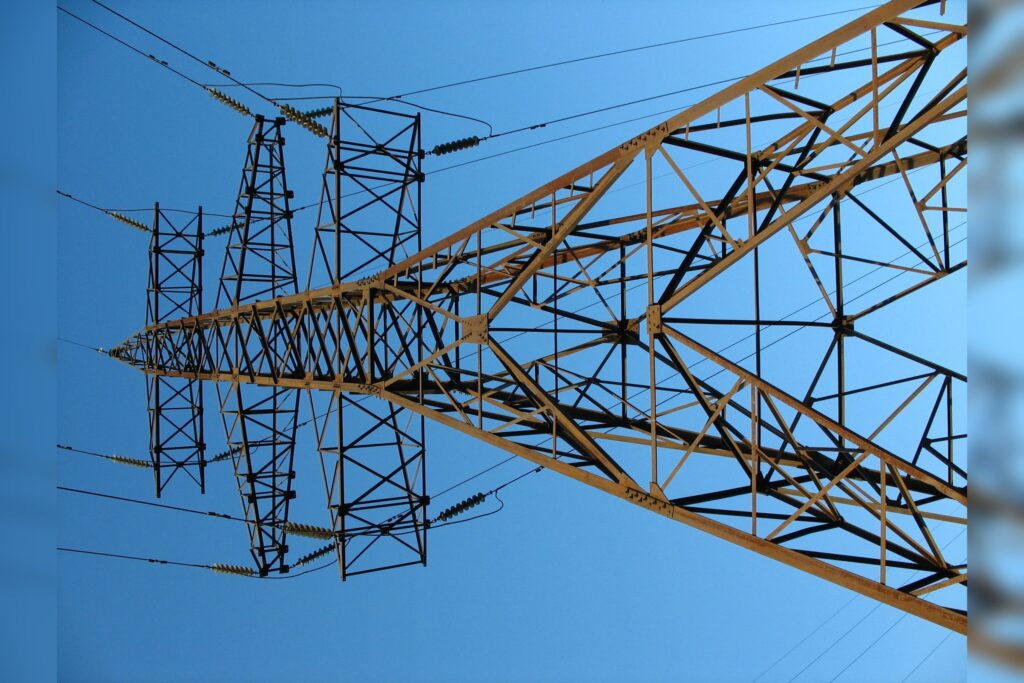
The physical scale of the grid is immense—over 600,000 miles of transmission lines and 5.5 million miles of distribution lines. This network must contend with increasing exposure to extreme weather events. In 2022, the United States endured 15 billion-dollar weather and climate disasters, many of which directly affected the grid. Grid operators must now manage greater variability in output from renewable sources—especially wind and solar—while maintaining system stability. The data from the EIA and NERC provide a foundation for understanding the challenges ahead: an aging infrastructure, shifting fuel mixes, and increasing exposure to extreme weather are all factors that shape current debates over grid modernization, investment in new generation, and policies to ensure consistent service across regions.
Historical Roots and Modern Pressures
The U.S. electricity system traces its origins to the late nineteenth century, when alternating current technology enabled the first commercial power stations. Early grids were local and isolated, built to serve cities or industrial sites. By the 1920s, regional networks began to interconnect, forming larger systems that could balance supply and demand across wider areas. Federal policy in the 1930s accelerated rural electrification through the Tennessee Valley Authority and the Rural Electrification Administration, extending service to most of the country. The modern grid evolved through the mid-twentieth century as investor-owned utilities, cooperatives, and public power agencies expanded transmission lines to link distant generators with growing urban centers.
Electricity generation is the process of converting primary energy—such as natural gas, coal, nuclear fission, wind, or sunlight—into electrical power at power plants. The generated electricity is then transmitted over high-voltage lines, distributed to homes and businesses, or stored for later use. This transformation from raw energy to usable current is the foundation of modern energy systems. Reliability depends on matching supply with demand in real time, maintaining infrastructure, and recovering quickly from disruptions. The rise of renewable sources has altered how and when electricity is produced, introducing greater variability. Extreme weather events, often intensified by climate patterns, repeatedly test the resilience of transmission and distribution networks. These challenges, combined with an aging plant fleet and projected demand growth, continue to drive policy and investment decisions across the country.




