
On December 10, 2023, Kenya experienced a complete nationwide power outage, plunging the entire country into darkness. The blackout has halted normal activities across homes, businesses, and essential facilities, including hospitals and sewage treatment plants.
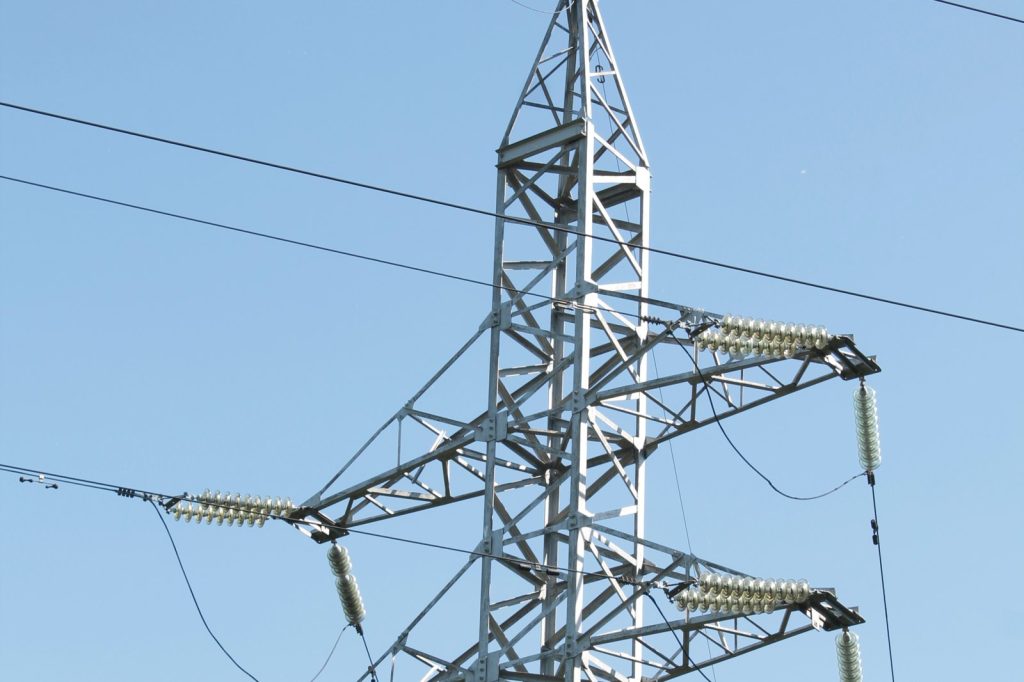
Transport Minister Kipchumba Murkomen stated that the cause of the disruption is believed to be sabotage targeting the national electrical grid. The incident has raised immediate concerns about the vulnerability of the country’s energy infrastructure. A blackout represents a total loss of electrical power supply to end users.
Such failures can stem from multiple sources: faults at power stations, damage to transmission lines or substations, short circuits, or cascading failures across the network. In this instance, the suspected sabotage has resulted in a widespread loss of power.
The consequences of prolonged power failures are severe, particularly where public safety and the environment are at risk. Hospitals depend on a steady electricity supply to run life-saving medical equipment and maintain patient care. Sewage treatment plants require power to process wastewater and prevent environmental contamination.
While many of these institutions have backup generators or batteries, these systems may not cover full operational needs, and extended outages can lead to serious problems. This blackout has also sparked broader discussions about Kenya’s energy security and its heavy reliance on a single, centralized grid.
As global energy systems shift toward renewable sources, Kenya has an opportunity to invest in more decentralized power solutions. Solar and wind energy, for example, can reduce dependence on one grid and improve resilience, which is vital for economic growth and public health. In response to the outage, authorities are working to restore power and investigate the suspected sabotage.
At the same time, the event has prompted calls to reassess national energy priorities. Upgrading transmission and distribution lines, adopting smart grid technologies, and expanding renewable energy capacity could help prevent future disruptions.
The current crisis serves as a wake-up call for Kenya to strengthen its energy infrastructure. By committing to cleaner, more reliable energy sources, the country can reduce the risk of similar blackouts and ensure a more sustainable power supply for its citizens. This shift is essential not only for economic development and public health but also for environmental protection.
Moving forward, prioritizing energy security and sustainability will be key to building a more resilient future for Kenya.




