
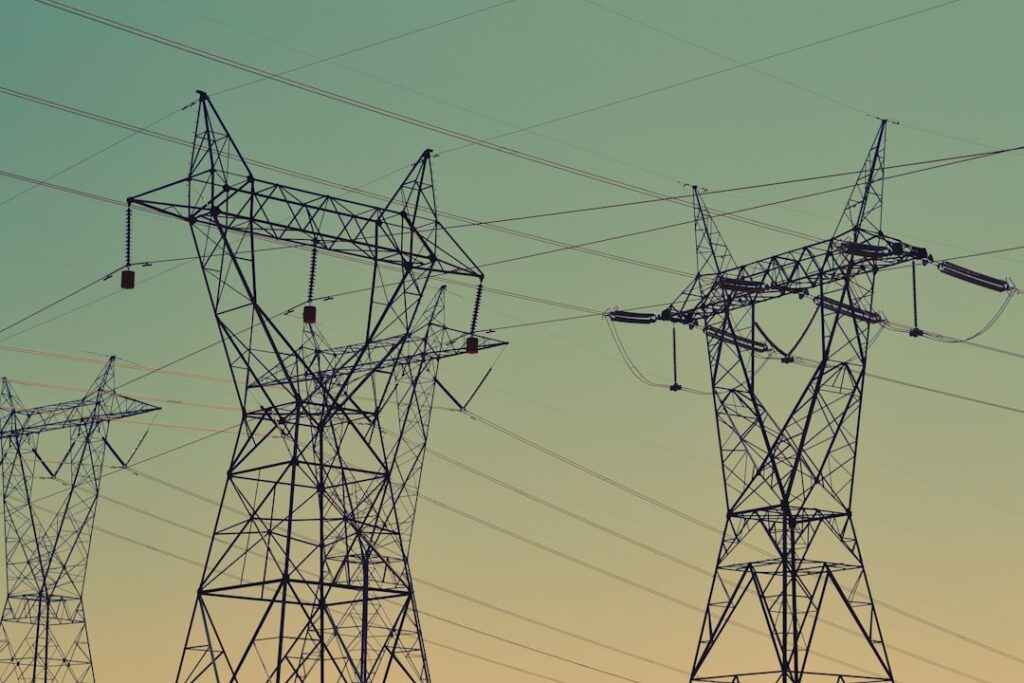
A heatwave that started on May 8, 2024, has exposed deep vulnerabilities in Mexico’s electrical infrastructure, leading to rolling blackouts across multiple cities. Thousands of residents are now without power as utility companies implement planned outages to prevent a complete system collapse. The blackouts are not random failures but deliberate cuts designed to stabilize an overburdened grid.
Hospitals have been affected, communication networks have gone dark in some areas, and businesses reliant on consistent electricity are being forced to close temporarily. The situation has escalated beyond inconvenience into a threat to daily survival as temperatures continue to climb.
Mexico’s power grid was already under strain before this heatwave began. The current crisis has simply pushed an already brittle system past its breaking point. Officials are now scrambling to redistribute power and bring backup generators and emergency systems online.
However, these measures are temporary stopgaps that buy time without addressing the fundamental weaknesses in the infrastructure. The real-world consequences are already visible.
Hospitals without air conditioning during a heatwave face critical challenges: patients suffering from heat-related illnesses cannot be cooled, surgeries face delays, and temperature-sensitive medications risk spoilage. When communication networks fail, people lose the ability to call for help. Businesses lose inventory, and the economic damage is immediate and tangible. Government efforts to redistribute power from one stressed area to another amount to shifting resources rather than solving the core problem.
The report indicates that long-term solutions require substantial investment: upgrading transmission lines, constructing new power plants, and expanding renewable energy sources such as solar and wind power. Renewable energy offers concrete advantages in this context.
Solar power generation peaks during the hottest part of the day, precisely when demand for air conditioning is highest. Wind power can operate at night when solar generation drops off. A diversified energy mix would reduce Mexico’s dependence on fossil fuels and make the grid more resilient to disruptions.
Currently, the system relies too heavily on a few sources, leaving it vulnerable when any single component fails. The heatwave is expected to persist, and concerns about the grid’s ability to meet demand are mounting.
The blackouts that began on May 8 serve as a warning signal that infrastructure is not prepared for the climate conditions already present. This is not a political issue but a matter of physics: electricity demand rises with temperature, and supply cannot always keep pace. The stakes are concrete and measurable: public health, economic stability, and the ability of essential services to function.
Mexico’s energy system requires a rebuild, which demands both time and financial resources. But the heatwave is not waiting, and neither are the millions of people sitting in the dark.




