
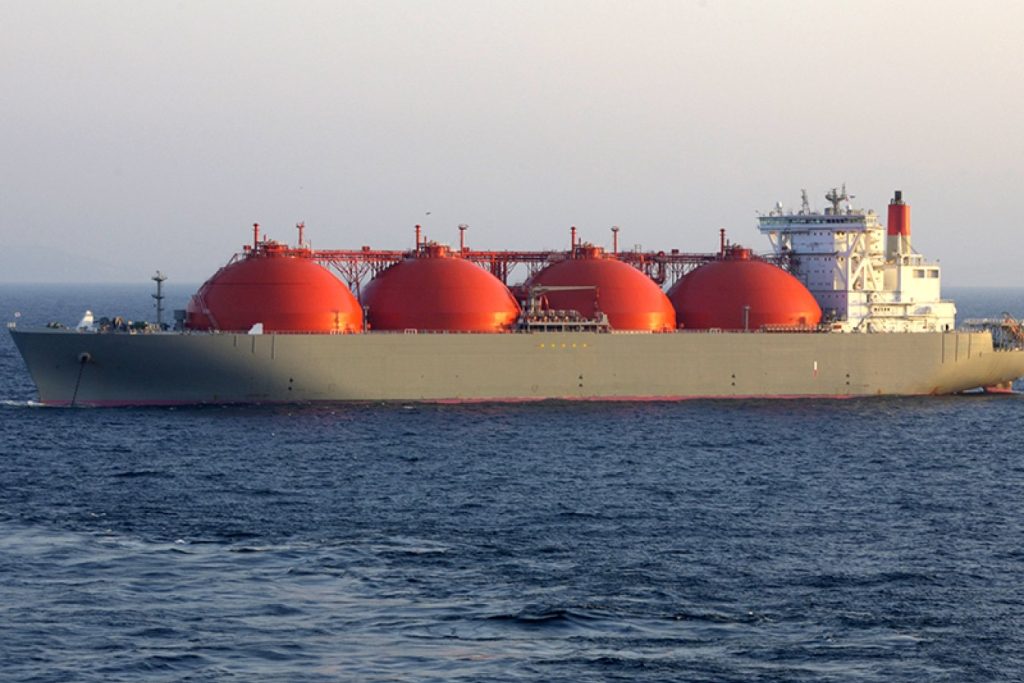
On January 8, 2013, according to the company’s own account, Kitsault Energy announced a plan to build an LNG plant, a refinery and an export terminal at Kitsault, British Columbia, a town better remembered for another era’s boom. The proposal, pitched to Asian demand, has rested ever since on a single argument: geography. This is the story the project documents from the period tell.
The regional history explains the site. In the 1980s, Kitsault lived off molybdenum mining, and that activity left behind infrastructure that a new industry could reuse at minimal environmental cost. The town sits at the end of Alice Arm, 800 kilometers from Vancouver and 115 from Prince Rupert; the deep water there allows LNG carriers access from the Pacific year-round, and the site is fully served with electricity by BC Hydro, the provincial utility.
The account indicates the project’s designers leaned on those advantages. Compared with other LNG export terminals planned along Canada’s west coast, Kitsault’s inland position offered the shortest distance from the shale gas fields of northern British Columbia and Alberta, trimming up to 200 kilometers of inlet pipeline. The company estimated the configuration could save $1 to $3 billion in construction costs, and said it would work with a consortium of producers, governments, customers, engineers, investors and First Nations. Pipelines would carry oil, natural gas and refined products to the coast from Alberta and northeastern British Columbia for shipment to Asia and other high-demand markets.
The engineering followed the same logic of speed. The company submitted an export license application for 20 million tonnes per year of LNG over 25 years, and considered two connecting pipelines with Spectra Energy, one north at Fort Nelson and one east at Chetwynd. Development would come in phases: a first inlet pipeline, a floating LNG vessel, onshore storage and port facilities, with 5 million tonne per year trains to be doubled in a second phase built onshore alongside a second pipeline. The floating concept was selected for the shortest route through environmental approval, design and construction, and the trains were to run on electrical drives, a choice that raised capital costs against conventional gas turbines but cut operating costs through higher efficiency and longer operating periods. The stated target was commercial operations by 2018, on a fast track.
What the documents offer is a plan, dated to its moment and argued on cost and distance. Canada, rich in natural gas, was then pushing every opportunity to join the race to supply Asia; Kitsault Energy’s bet was that an old mining town on a deep-water arm could be the shortest link in that chain.
Sources
- Kitsault – Heaven on Earth
- Kitsault Energy Project: The shortest LNG connection from B.C. to Asia | 2B1st Consulting




