
Two to six weeks. That is how long a crock of salted, shredded cabbage needs on a cool kitchen counter before it turns into sauerkraut, with an acidity around pH 3.5 that keeps it safe for months. Nobody needs a laboratory for it. People have been doing this, in one form or another, for a very long time.
Residue analysis of pottery from Jiahu, China, dated to roughly 7000 BCE, found chemical traces of a fermented drink made from rice, honey and fruit. Egyptian tombs from the Old Kingdom, around 2500 BCE, show bread baking and beer brewing as two sides of the same grain craft. A Sumerian text from about 1800 BCE, the Hymn to Ninkasi, is a religious poem that doubles as a beer recipe. Fermented vegetables turn up in Chinese records of the Zhou dynasty, which ran from 1046 to 256 BCE.
Many cultures, one idea
What stands out is how often it was invented separately. Cabbage was fermented in Germany and in Korea long before the two had meaningful trade. Soybeans were fermented in China, Japan and Indonesia along independent lines. Milk was soured in the Caucasus, on the Eurasian steppe and among the Maasai of East Africa. Harvard Health makes the same point from the practical side: fermentation protects food from spoiling, and in Asian and African cultures it has been a way to have seasonal foods all year and to get through shortages.
Sailors learned it the hard way. On Captain James Cook’s second voyage, from 1772 to 1775, HMS Resolution lost no one to scurvy, a record for the time, and the large stock of sauerkraut aboard was part of the reason. Vitamin C is destroyed by cooking but survives in raw fermented cabbage, and a cup of fresh sauerkraut carries roughly 15 to 20 mg of it.
Kimchi, kefir and the rituals around them
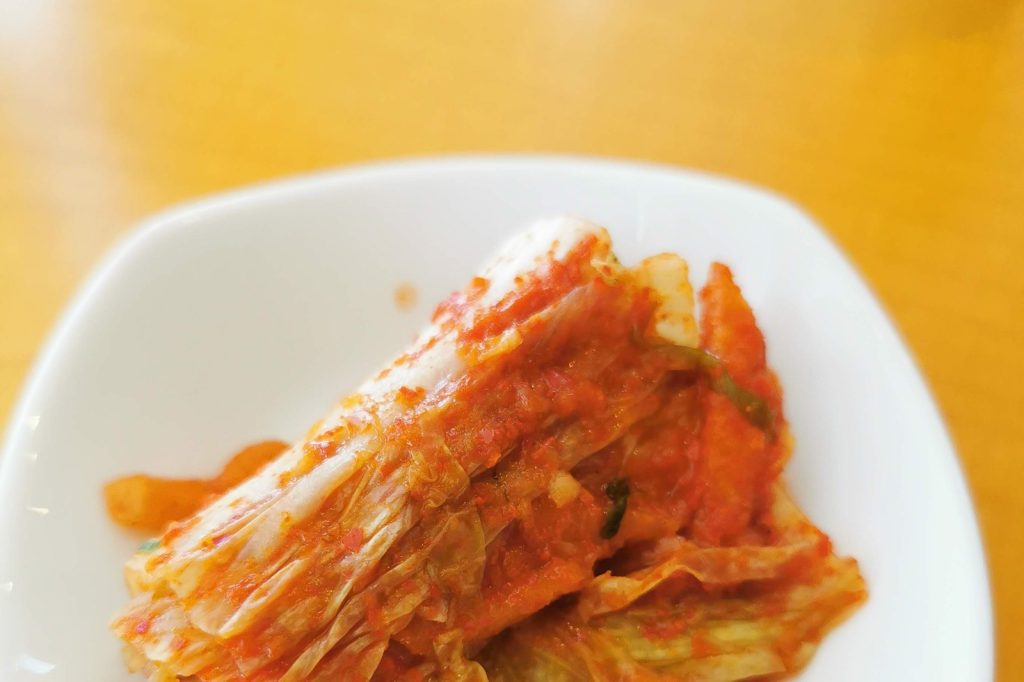
In Korea the food is bound up with community. Gimjang, the late-autumn gathering where families and neighbours make a household’s whole winter supply of kimchi, was inscribed on UNESCO’s Representative List of the Intangible Cultural Heritage of Humanity in 2013. A traditional family might put up 50 to 100 cabbages’ worth in a single weekend, then share the results around the neighbourhood.
The jar is its own small ecosystem. In the first days Leuconostoc bacteria bloom and give fresh kimchi a slight fizz. Lactobacillus species take over once the acidity climbs, and after about two weeks acid-tolerant Weissella and Pediococcus add the funk of aged kimchi, which cooks better into stews and fried rice.
Kefir has a stranger story. Its grains, a community of more than 30 species of bacteria and yeast, were treated in the Caucasus as family property, handed down or given as dowries rather than sold. In the early 1900s Russian physicians sent a young woman, Irina Sakharova, to obtain some. A chieftain tried to abduct her instead, a court ordered him to pay damages, and she accepted the payment in grains. Most commercial kefir is said to descend from them.
What the health research says
Fermented foods contain probiotics, live bacteria that Harvard Health says can help keep the gut in balance. Research it cites links probiotics with easing infectious, antibiotic-related and traveler’s diarrhea, and with milder symptoms of irritable bowel syndrome and ulcerative colitis. Fermentation can also break down toxins: cassava, which releases cyanide if eaten raw, is made safe in the Sudanese dish kawal.
There are catches. Fermented soy and vegetable products are high in sodium, so people with high blood pressure, heart disease or impaired kidney function should avoid them or strain them well. And not every jar holds live bacteria; supermarket sauerkraut is often heated hard enough to kill them, so look for the words “contains live and active cultures” on the label. Anyone with a medical condition should talk to their doctor before changing their diet.
Sources
- Fermented Foods History and Cultures
- Fermented Foods — Should They Be Part of Your Diet? – Harvard Health




