
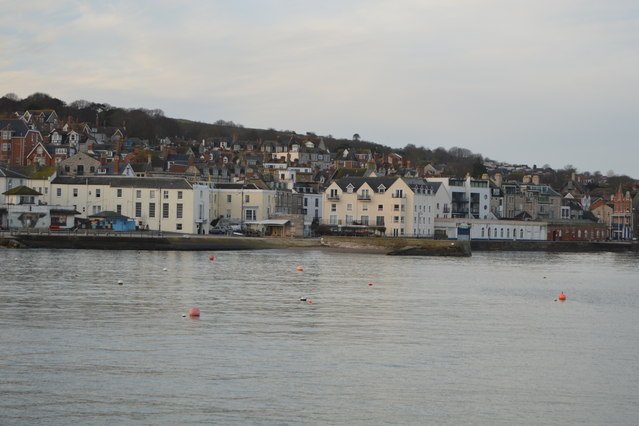
Seven residents are currently receiving treatment after a carbon‑monoxide leak at a care facility in Swanage claimed three lives on Wednesday, 23 October 2024. All of the victims were elderly, and the survivors remain hospitalized for carbon‑monoxide poisoning.
Dorset Police, together with the Health and Safety Executive (HSE), have launched a joint inquiry into the incident. The precise origin of the gas leak has not yet been identified, and officials are examining the building’s ventilation system and any carbon‑monoxide detectors that may have been present.
Carbon monoxide is a colourless, odourless product of incomplete combustion of fuels such as gas, oil, wood or coal. Because it does not irritate the respiratory tract, it is virtually undetectable without dedicated alarms. Early symptoms—headache, dizziness, weakness, vomiting, chest pain and confusion—can be mistaken for influenza, while higher exposures may cause loss of consciousness, cardiac arrhythmias, seizures or death. The classic “cherry‑red” skin tone is now recognised as a rare occurrence.
Occupational guidelines permit exposure to no more than 25 millilitres of carbon monoxide per cubic metre of air over an eight‑hour workday. The concentration measured at the Swanage home far exceeded this limit, though investigators have not disclosed how much higher the levels were.
Long‑term effects for those who survive a significant exposure can include chronic fatigue, memory impairment and motor‑coordination problems. The seven patients are expected to undergo prolonged monitoring for potential arrhythmias and neurological complications, with rehabilitation likely required for any lasting deficits.
The care home, which accommodates a vulnerable elderly population, now sits at the centre of a major safety investigation. Age‑related physiological changes reduce the ability of older adults to compensate for reduced oxygen delivery, making them especially susceptible to carbon‑monoxide toxicity. This heightened risk is reflected in the three fatalities and the seven serious illnesses reported.
Authorities stress that carbon‑monoxide hazards remain a persistent threat in any enclosed environment that houses fuel‑burning appliances. Boilers, heaters and cooking equipment are common in residential care settings, and a single malfunctioning unit, blocked flue or absent alarm can quickly transform a seemingly safe building into a lethal environment.
The HSE will lead the technical aspects of the probe, while Dorset Police will address any potential criminal dimensions. Local officials have confirmed that the care home is cooperating fully with emergency services and health regulators, but they have not yet released details regarding the presence or condition of carbon‑monoxide detectors, the timing of the last appliance inspections, or whether any alarms sounded before emergency crews arrived.
No names of the deceased or the hospitalized residents have been disclosed, and no charges have been filed at this stage. Families of the three victims are awaiting answers, while the seven survivors continue their fight for recovery.
This incident underscores the critical importance of regular maintenance of fuel‑burning equipment, proper ventilation, and functional carbon‑monoxide alarms in care facilities nationwide. As the investigation proceeds, officials hope to determine how lethal gas levels accumulated within the Swanage home and to prevent similar tragedies in the future.




