
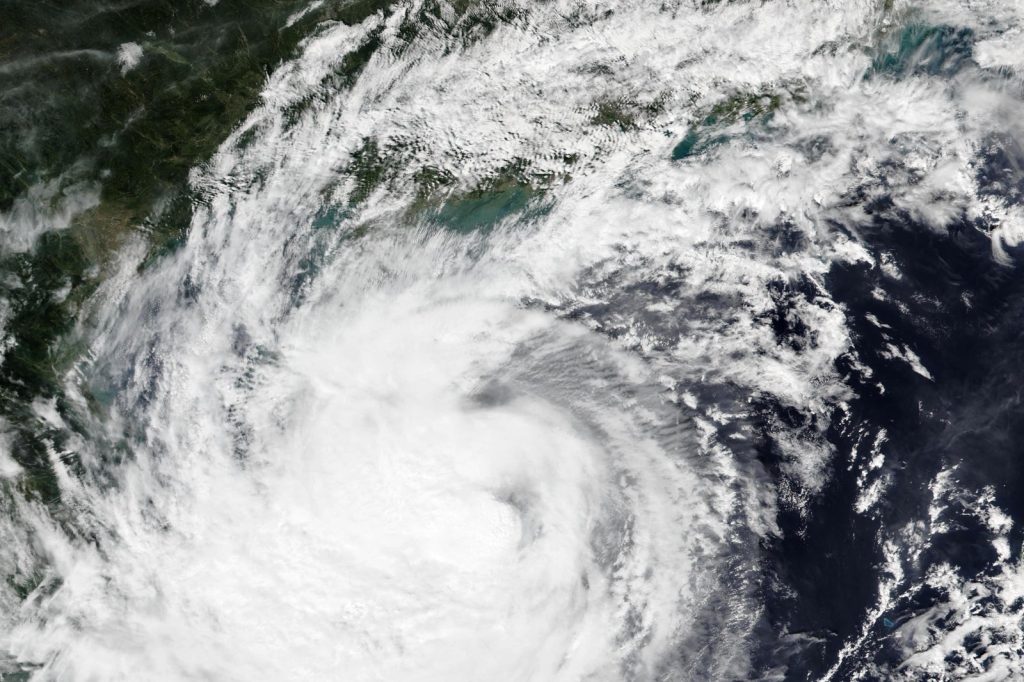
As of October 25, 2024, Tropical Storm Trami has claimed 76 lives in the central and northern regions of the Philippines. The storm’s impact has forced more than 320,000 residents to leave their homes, highlighting the severe threat that such weather systems pose to densely populated areas. Infrastructure across the affected provinces has suffered extensive damage.
Roads, bridges and numerous dwellings have been either destroyed or rendered unusable, cutting off many communities from essential supplies such as food, clean water and shelter. The scale of the destruction suggests a prolonged recovery period for the region.
In response, the Philippine government mobilised rescue teams and aid workers to the hardest‑hit zones. Evacuation centres have been established to accommodate displaced families, offering basic necessities including meals, potable water and medical assistance. While these sites are crucial for immediate relief, officials acknowledge that overcrowding and sanitation challenges persist, complicating efforts to maintain safe conditions. The massive displacement operation demands careful coordination.
Local authorities are working to streamline the movement of people to safer locations while simultaneously managing the logistics of shelter, distribution of relief items and health services. Despite the difficulties, the government stresses that the evacuation centres remain a lifeline for those who have lost their homes.
Beyond the immediate humanitarian crisis, environmental concerns are emerging as a priority. Widespread flooding caused by Trami has raised the risk of water contamination and damage to natural habitats. The government has announced plans for an environmental assessment to gauge the full extent of ecological harm, a step deemed essential for guiding long‑term recovery and protecting community health.
In the broader context of disaster resilience, officials are emphasizing the role of renewable energy. Transitioning to cleaner power sources is presented as a strategy to reduce reliance on fossil fuels, lower the environmental footprint of reconstruction, and enhance energy security in future emergencies.
Stakeholders suggest that integrating renewable solutions could help the Philippines build a more robust and sustainable infrastructure capable of withstanding similar events. Recovery efforts will hinge on continued support from national agencies, international aid organisations and the private sector. While the path to rebuilding homes, roads and livelihoods will be arduous, the coordinated response aims to lay the groundwork for a more resilient future.
The coming weeks are expected to be critical as authorities balance immediate relief with planning for long‑term reconstruction and environmental restoration. As the Philippines confronts the aftermath of Trami, the international community is watching closely, ready to assist in humanitarian aid and to contribute expertise in sustainable rebuilding practices.
The focus now remains on delivering essential services to displaced families, restoring damaged infrastructure, and implementing measures that will mitigate the impact of future tropical storms.




