
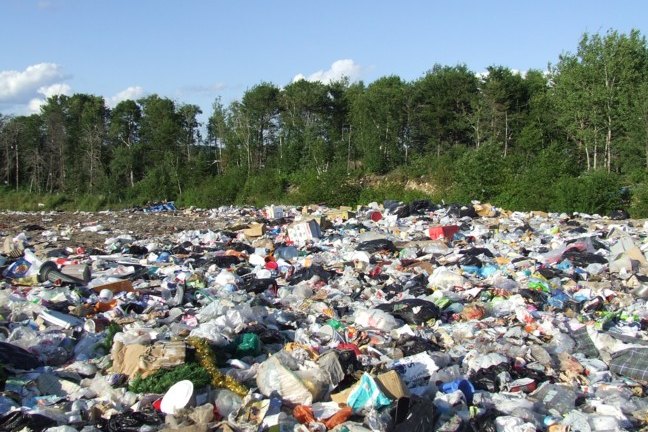
On January 18, 2026, authorities in Cebu City, Philippines, officially ended search and rescue operations at the site of a collapsed landfill, having recovered the final victim. The incident has claimed a total of 36 lives, underscoring the severe risks associated with such waste management facilities. The rescue effort, known as urban search and rescue (USAR), involved coordinated teams working within a dense, hazardous environment.
Urban SAR operations present distinct difficulties due to the presence of infrastructure and potential secondary dangers. The International Search and Rescue Advisory Group (INSARAG), a United Nations body, works globally to share information and improve practices among national urban rescue organizations, aiming to strengthen emergency response effectiveness.
The landfill collapse has drawn attention to the critical need for proper waste management and the structural integrity of disposal sites. Landfills, when not adequately monitored and maintained, carry substantial environmental and health threats. This event serves as a grave reminder of the consequences of failing to uphold these responsibilities and the urgency of adopting sustainable waste strategies. As the community of Cebu City processes the loss and begins recovery, focus is expected to shift toward preventing future tragedies.
This will likely require a comprehensive investigation into the causes of the collapse, along with a wider review of regional waste management systems. Implementing lessons from this disaster could help create safer conditions and a more sustainable environment.
The principle of rendering aid in times of danger is central to search and rescue missions. Rescue teams worked tirelessly to locate and extract victims from the debris. Their efforts reflect a commitment to compassion and solidarity in the face of tragedy.
Looking forward, sustained commitment from individuals, communities, and governments will be necessary to pursue a cleaner, more sustainable planet. Prioritizing renewable energy sources and environmentally responsible practices can help reduce the likelihood of such incidents.
Continued support for search and rescue capabilities is also essential to ensure effective responses to emergencies and the protection of communities. The path ahead calls for vigilance and proactive measures to safeguard human life and the environment, learning from this event to build a more resilient future.




