
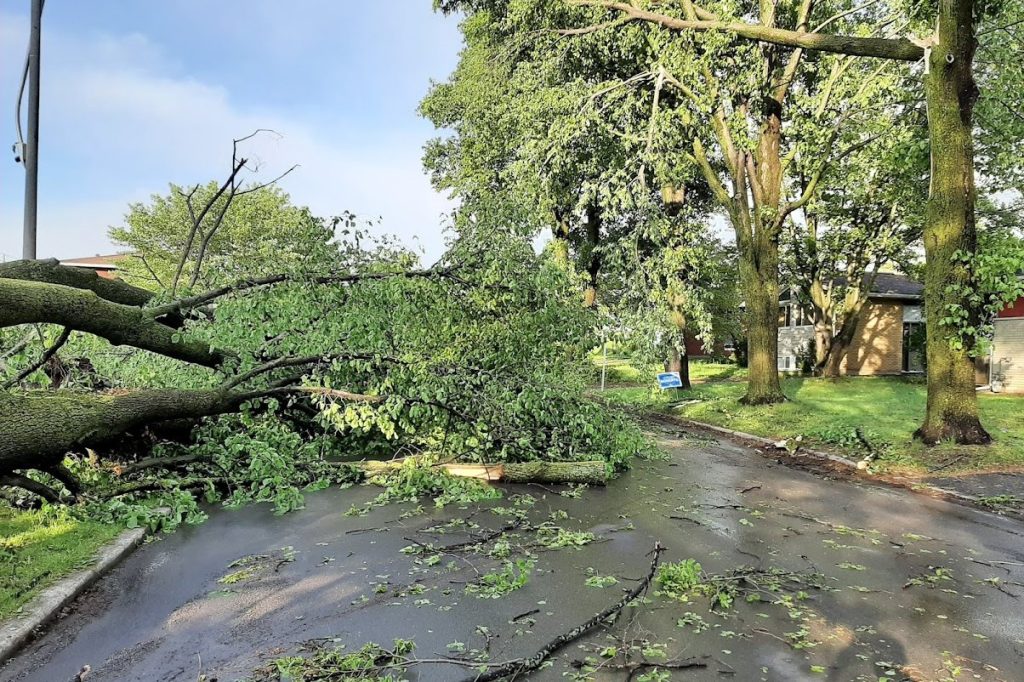
On July 30 a powerful weather system swept through central Russia, producing the combination of strong winds and heavy rain that meteorologists classify as a severe weather event. The storm’s impact was stark: ten people lost their lives while seventy‑six others required medical care for injuries ranging from minor wounds to more serious trauma.
Authorities launched rescue operations immediately after the storm passed. Emergency crews worked to reach isolated areas where flooded roads and downed power lines hindered access to hospitals and delayed the delivery of supplies. While the names of the victims and details of the injured have not been released, officials confirmed that the response effort is ongoing and that relief teams are currently sorting through the damage.
Infrastructure across the region suffered extensive damage. Roads became impassable due to flooding, power lines were toppled, and numerous buildings lost roofs or sustained structural damage.
In some localities, transportation ground to a halt, complicating evacuation and the transport of medical aid. The disruption extended beyond immediate safety concerns, affecting daily life and halting normal activities throughout the affected districts. Beyond the human toll, the storm generated environmental consequences. Intense rainfall on exposed soil accelerated erosion, while runoff carried chemicals and sewage into nearby rivers and lakes, leading to water pollution and fish die‑offs.
Officials highlighted the risk of longer‑term biodiversity loss as a result of the sudden influx of contaminants into aquatic ecosystems. The incident has also reignited discussion about energy resilience in the region.
Analysts cited the event as an example of how reliance on a centralized fossil‑fuel‑based grid can leave communities vulnerable when extreme weather strikes. They suggested that expanding distributed renewable sources such as wind and solar could enhance energy security, potentially keeping essential services like hospitals operational even if the broader grid fails. While the immediate priority remains rescue, medical treatment, and the dignified handling of the deceased, officials acknowledge that recovery will demand significant time, financial resources, and labor.
Rebuilding damaged structures, restoring power, and addressing environmental contamination are expected to be long‑term challenges for the affected communities. The storm’s passage marks the end of the immediate danger—winds have calmed and rain has ceased—but the aftermath is only beginning.
With ten fatalities recorded and seventy‑six individuals receiving treatment, the region now faces the task of clearing debris, repairing infrastructure, and planning for future weather events that may be equally severe.




