
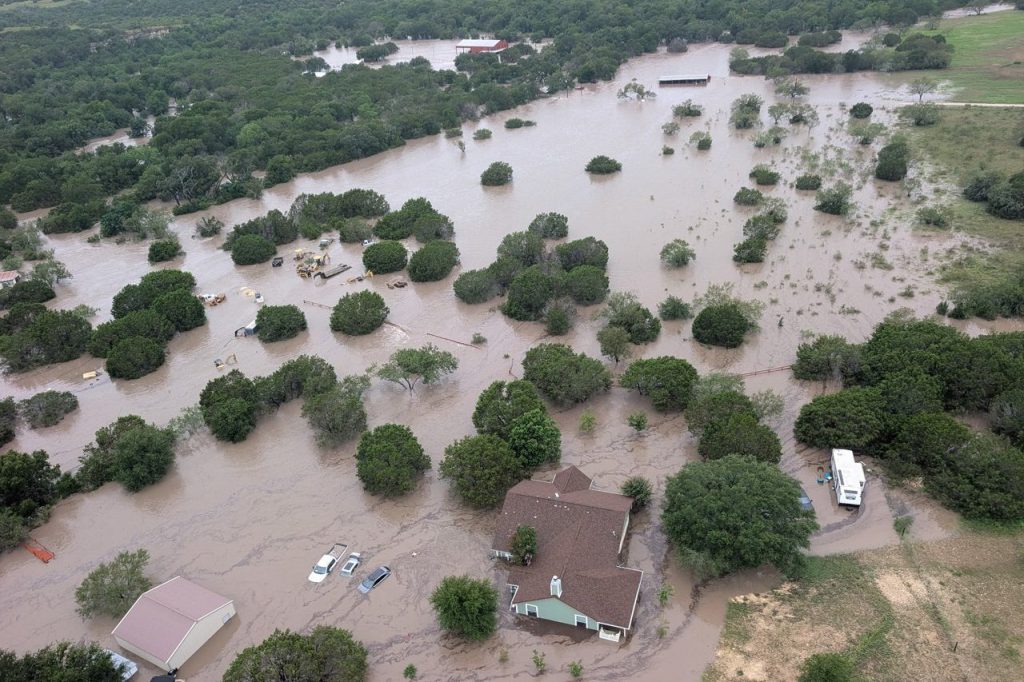
The catastrophic flooding that swept through Central Texas this week has claimed 51 lives, with 27 children still unaccounted for as of July 4, 2025. Among the confirmed dead are 15 children, and officials warn the number could rise as search crews continue operations across the affected region.
The disaster unfolded across a diverse geographic area spanning from the Texas Hill Country north through Waco and into the Killeen-Temple corridor. This territory includes both rural communities and rapidly expanding metropolitan edges, with the Greater Austin and Greater San Antonio areas lying to the south. The same landscape features that attract residents—rolling hills, winding rivers, and green valleys—also channel stormwater directly into neighborhoods during heavy rainfall.
Flash flooding represents a known and recurring threat in this part of Texas, shaped by the Edwards Plateau and Hill Country topography. Despite this awareness, the Austin-Round Rock and Killeen-Temple-Fort Hood metropolitan areas rank among the fastest-growing in the state. New subdivisions continue spreading across floodplains and hillsides while infrastructure development has not kept pace with population growth.
The timing of the flood proved particularly devastating. The high number of child fatalities indicates families were caught in homes, on roads, and in low-lying areas when water levels rose too quickly for evacuation. With 27 children still missing, authorities acknowledge that in disasters of this magnitude, missing individuals are often eventually presumed dead.
Questions about regional preparedness have emerged in the wake of the tragedy. These extend beyond official statements to fundamental concerns about whether development outpaced drainage system capacity and whether existing warnings were properly heeded. When a region builds rapidly on flood-prone land, the consequences eventually arrive—this week in the form of 51 confirmed deaths.
The disaster has also prompted discussion about long-term resilience strategies. Reports on the event have pointed to renewable energy and sustainable development as practical components of a solution, rather than political statements. The underlying logic holds that regions dependent on finite resources and outdated infrastructure remain vulnerable to repeated, severe impacts. The Hill Country cannot be paved over without environmental consequences, and rivers cannot be safely ignored for their aesthetic appeal.
Rescue operations continue as families await news of missing loved ones. Central Texas has experienced floods throughout its history and will face them again. The central question now is whether this catastrophe will drive meaningful change or simply lead to cleanup efforts before the next storm arrives.




