
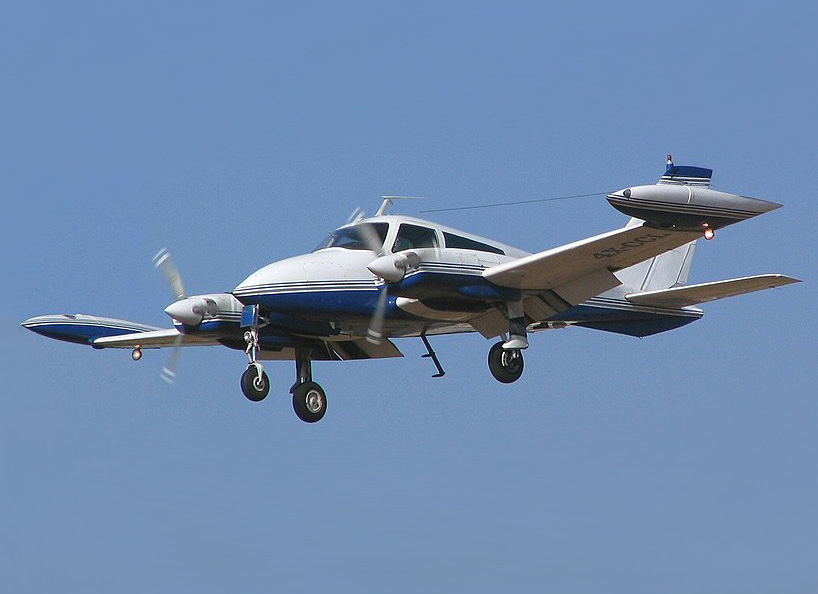
On the morning of April 11, 2025, a twin‑engine Cessna 310 struck Interstate 95 close to Boca Raton Airport in Boca Raton, Florida. All three occupants of the aircraft died in the impact, and a driver on the highway sustained injuries.
The accident has prompted an immediate investigation into its cause while also sparking discussion about aviation safety standards and the broader environmental implications of such crashes. Authorities are gathering evidence at the scene, and the National Transportation Safety Board has been notified to lead the probe.
The Cessna 310 involved is a low‑wing, twin‑engine monoplane that was produced from 1954 through 1980. More than 6,000 units were built, and the model saw extensive use in both civilian roles and by the United States military, where it was designated L‑27 and later U‑3. Its long service record reflects the aircraft’s versatility, though, like any machine, it remains vulnerable to failure or human error.
Beyond the loss of life, the crash raised concerns about the potential environmental impact of an accident involving aviation fuel near a major roadway. While the immediate priority is medical care for the injured motorist and securing the crash site, officials also noted the need to assess any fuel spillage and its possible effects on local ecosystems.
Community members expressed shock at the incident, emphasizing the rarity of aircraft striking a highway in the densely populated South‑Florida corridor. The injury to a person on the ground highlighted the extra risk that aviation accidents can pose to the public, reinforcing calls for stringent safety protocols.
Industry experts pointed to the ongoing transition toward renewable energy sources as a parallel issue. Aviation continues to rely heavily on fossil fuels, and the sector is under pressure to adopt sustainable aviation fuels and more efficient engine technologies. Proponents argue that such shifts could improve energy security, lower operating costs, and reduce the environmental footprint of flights.
Although the investigation is still in its early stages, the incident underscores several long‑standing safety priorities: meticulous aircraft maintenance, rigorous pilot training, and adherence to established flight‑operation procedures. The aviation community has made notable progress in reducing accident rates over recent decades, yet events like this serve as a reminder of the complexities inherent in air travel.
Looking ahead, stakeholders are likely to examine how emerging technologies—such as greener fuels, electric propulsion, and renewable‑energy‑powered airport facilities—might mitigate both safety risks and ecological damage. Investment in these areas is viewed as a dual benefit, offering potential cost savings while addressing the broader goal of a cleaner planet.
As investigators work to determine the precise factors that led to the Cessna 310’s descent onto I‑95, local authorities and aviation regulators will seek to reassure the public that corrective measures are being implemented. The tragedy has reinforced the message that continual innovation, rigorous oversight, and a commitment to environmental stewardship are essential to preventing future accidents and protecting both people and the environment.




