
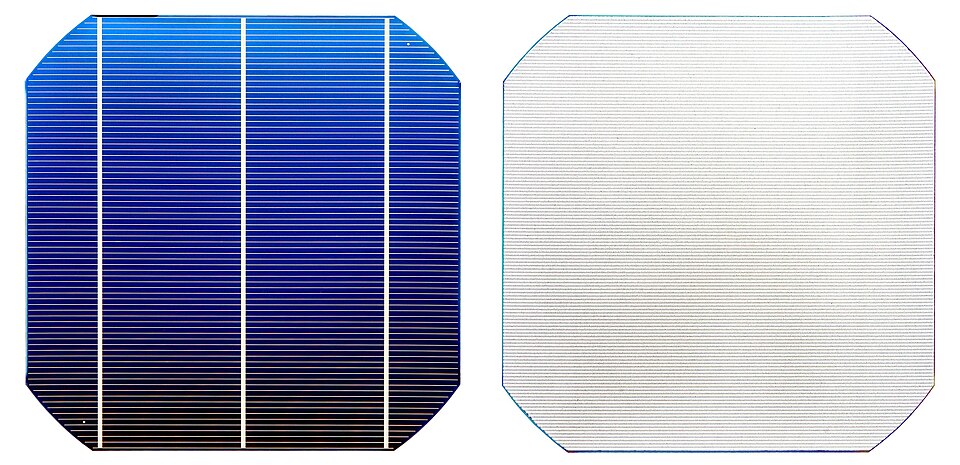
Chinese exports of photovoltaic cells to the United States jumped 346 per cent year on year last month, to US$39.96 million, according to customs figures cited by the South China Morning Post and relayed by OilPrice.com.
Other categories moved too. Lithium-ion battery exports rose 20.8 per cent to US$780 million. Lead-acid battery exports climbed 151 per cent to US$6.72 million.
That is happening under a U.S. administration that has made energy production at home a stated priority. OilPrice.com says Beijing holds near-total control of global supply chains for clean energy technology, from solar panels to the lithium-ion batteries used in electric vehicles and energy storage. Demand is flowing to China from the poorest countries in the Global South and from the richest nation in the world alike.
Three drivers
Semafor, a nonpartisan news outlet, attributes the surge to several factors: better diplomacy between Washington and Beijing, hyperscalers, and the war in Iran.
The war began in February. Before then, one-fifth of the world’s crude oil and oil products moved from the Middle East through the Strait of Hormuz, OilPrice.com notes. The Strait’s overnight closure shook oil and gas markets and left import-dependent countries exposed to price spikes and shortages. Governments have since rushed to buy solar panels and battery packs for energy independence, and China is the main seller.
Yang Biqing, a China analyst at the London-based think tank Ember, told the Washington Post the shift runs deeper than one price spike. “This is part of a longer trend, not just an immediate response to higher oil and gas prices,” she said. “Energy security is becoming more important on governments’ agenda, and the shift toward clean energy is increasingly being seen as something that can reinforce energy security.”
Washington and Beijing
President Trump traveled to Beijing last month to stabilize trade relations between the two largest economies and to steady politics amid the conflict and oil market chaos. OilPrice.com says the visit appears to be working in China’s favor, since Chinese components are flowing into the U.S. faster. The same account says that helps American green energy operators, because Chinese-made parts cost much less than those made elsewhere.
American demand adds to the pull. The U.S. “insatiable appetite for energy to sustain its expanding AI infrastructure” has led to an all-of-the-above approach to energy that leans heavily on renewables and nuclear power, the report says. Solar is growing under Trump despite political resistance to renewables, and OilPrice.com expects warmer trade ties with China to speed that up.




