
BEIJING, August 4 — China’s economic footprint in global energy markets remains immense, with data from early 2024 showing the nation’s total primary energy consumption accounting for approximately 28% of the global total. This figure marks a substantial increase from its 10% share in 2000, solidifying its position as the world’s largest energy consumer. The implications of these consumption patterns resonate across international trade flows, influencing everything from commodity prices to geopolitical stability.
China’s Central Role in Global Energy
The nation’s demand for crude oil underscores its critical leverage. In 2023, China imported over 560 million metric tons of crude oil, making it the largest importer globally. Domestic production, while substantial, met only about 30% of its internal demand, necessitating these massive international purchases.
This heavy reliance on foreign crude sources directly impacts global oil supply chains and pricing dynamics. Natural gas consumption also reached significant levels, with 400 billion cubic meters consumed in 2023.
Imports constituted roughly 45% of this total. These vital supplies arrive through diverse channels, including pipelines from Central Asia and Russia, and as liquefied natural gas (LNG) shipments primarily from Australia and Qatar. The Central Asian pipeline routes highlight the interconnectedness of regional energy infrastructure with China’s burgeoning demand, creating significant trade relationships.
Fossil Fuel Imports Drive Demand
Despite efforts towards greener energy, China’s reliance on coal remains high. Thermal coal consumption exceeded 2.8 billion metric tons in 2023, representing over half of global usage. Concurrently, China is also the world’s largest coal producer, with an output of 4.6 billion metric tons in 2023, primarily for domestic use.
This dual role as both a massive consumer and producer of coal shapes global carbon emissions and energy security discussions.
The Dual Path: Coal and Renewables
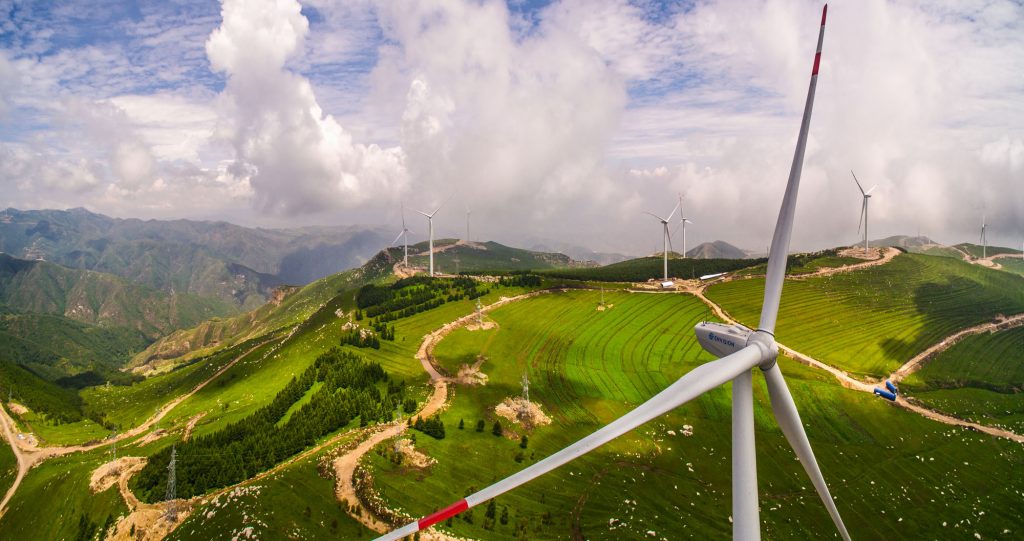
In a parallel development, China has become a global leader in renewable energy. Data from the end of 2023 shows its total renewable energy capacity surpassed 1,400 gigawatts. This includes over 430 GW of wind power and 610 GW of solar power.
The country has set an ambitious target to achieve over 1,200 GW of wind and solar capacity by 2030, signaling a strategic shift in its energy mix. These figures underscore China’s complex energy landscape: a massive consumer of traditional fossil fuels while simultaneously leading investment in green energy technologies.
The nation’s domestic energy policies and consumption patterns will continue to have profound implications for global energy prices, the stability of international supply chains, and the broader transition to a low-carbon economy for years to come.
Sources
{“@context”: “https://schema.org”, “@type”: “NewsArticle”, “headline”: “China Leads Global Energy Consumption and Production”, “description”: “BEIJING, August 4 — China’s economic footprint in global energy markets remains immense, with data from early 2024 showing the nation’s total primary energy consumption…”, “datePublished”: “2026-08-04T09:30:00+00:00”, “author”: {“@type”: “Person”, “name”: “Aibek Nurlan”}, “publisher”: {“@type”: “Organization”, “name”: “InfoPulse Today”, “url”: “https://newsfeed.infopulsetoday.com/”}, “citation”: [{“@type”: “CreativeWork”, “url”: “https://en.wikipedia.org/wiki/Energy_in_China”}]}




