
Remote Lifeline Cut Off: Fatal Crash of Colombia Air Ambulance in Vaupés
On August 24, 2025, a Cessna 206 air ambulance crashed and exploded near Belén de Inambú in the Vaupés Department of Colombia. All four occupants died at the scene; there were no survivors.
The aircraft was engaged in a medical evacuation mission, a role that is especially critical in this part of the country. Vaupés is characterized by its vast, sparsely populated terrain and a near‑absence of usable roads. In such an environment, an air ambulance is not a convenience but the sole means of reaching definitive care.
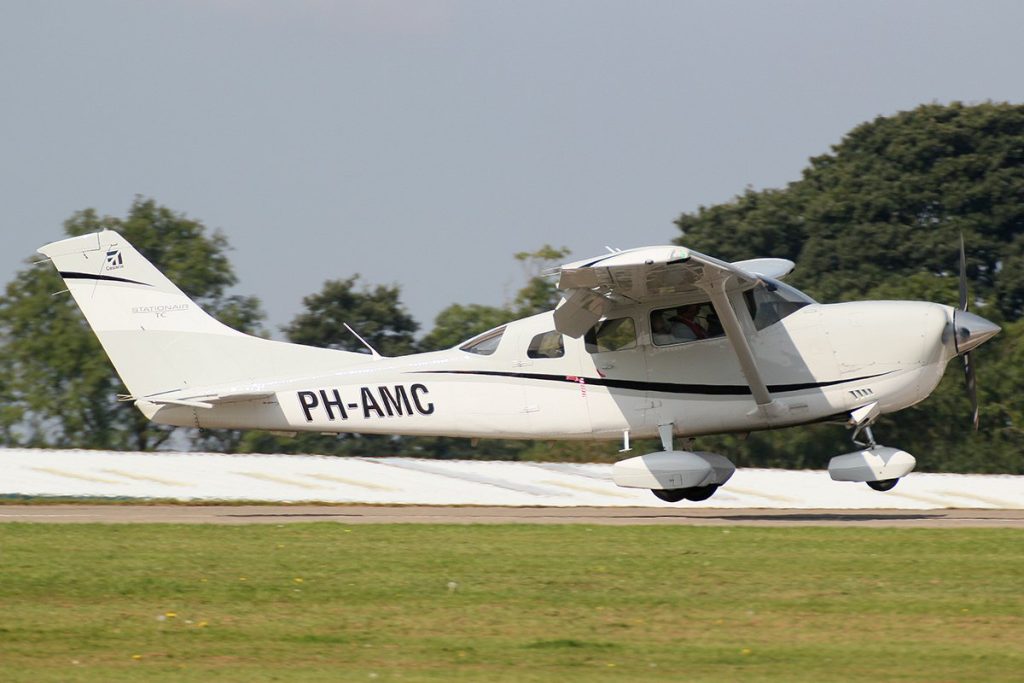
A health emergency that would be resolved by a short ground trip in an urban centre becomes a race against time where the aircraft is the only vehicle capable of covering the required distance. The Cessna 206 involved is a fixed‑wing workhorse widely used in air medical services because of its reliability and versatility.
Its ability to operate from short, unprepared airstrips and its sturdy construction have made it a staple for transporting medical staff, supplies and patients across terrain that ground vehicles cannot negotiate. Those same attributes that give the aircraft its value also heighten the impact of its loss. Following the impact, investigators have begun a detailed examination of the wreckage.
They will review maintenance logs, assess the crew’s qualifications and experience, and inspect every mechanical component for signs of failure. Human error will be considered as one of several possible factors.
The probe is expected to be thorough, reflecting the high stakes associated with air medical operations in remote areas. The incident underscores a stark reality of aeromedical work: it saves lives precisely because it functions where the margin for error is minimal. The very isolation that makes the service indispensable also renders it vulnerable.
A crash in a populated area might be contained, but in Belén de Inambú the loss of the aircraft leaves four people dead and a community cut off from its medical lifeline. This outcome highlights a cruel paradox: the machine that connects isolated populations to essential care is itself a source of risk.
Each departure from a remote airstrip represents a gamble that the airframe will remain intact, that the pilot will detect changing weather, and that no component will fail. On this occasion, that gamble did not pay off. Air medical services exemplify human ingenuity in extending healthcare beyond the limits imposed by geography.
Yet the tragedy in Vaupés serves as a blunt reminder of the cost inherent in that extension. Four individuals have perished, the Cessna 206 lies as a twisted heap of metal, and the residents of Vaupés have lost a vital link to the outside world.
Investigators will continue their work, aiming to produce findings that could prevent a repeat of this accident. However, for the families of the deceased and for the communities that relied on that aircraft, the prospect of future safeguards offers little solace against the immediate grief, the silence left by the crash, and the pressing question of what will replace the lost lifeline.




