
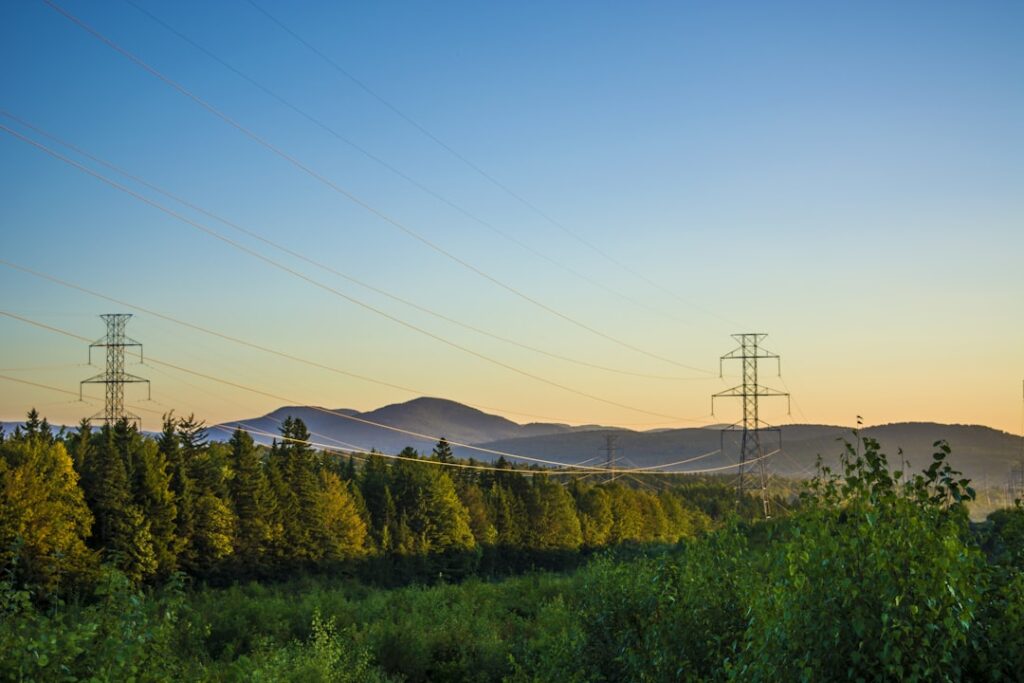
Cuba’s March 14 Power Plant Failure Leaves Ten Million Without Electricity
On March 14, 2025, a central power plant in Cuba suffered a failure that instantly cut electricity for about ten million people across the island. The loss of grid power went far beyond darkened homes; it disrupted essential daily systems that many take for granted.
One of the first consequences was the threat to food safety. Refrigerators and freezers stopped running as soon as the electricity vanished. In a nation where food supply chains are already under pressure, the loss of cold storage for meat, dairy and medicines created an immediate problem for households and hospitals alike.
Perishable items begin to spoil within hours, not days, so the clock starts ticking the moment the lights go out. Communication networks were the next layer to fail.
Cell towers depend on a steady electric supply, so when the grid collapsed the signals disappeared. People found themselves unable to place emergency calls, check on elderly relatives living elsewhere, or receive updates about when power might be restored. The resulting isolation amplified every other difficulty caused by the outage.
The root cause was a single‑plant failure, yet the ripple effect touched virtually every aspect of life. Cuba’s heavy reliance on this piece of infrastructure was laid bare: one plant going offline left more than ten million residents in the dark.
Reports did not mention any robust backup systems or a quick fix for the problem. The incident invites a broader look at how electricity is generated worldwide. Most power stations still burn fossil fuels — coal, oil or natural gas — to boil water, spin turbines and push electrons through the grid.
This method works until something breaks down; a fault at a fossil‑fuel plant can cascade across an entire country, and interruptions in fuel supply can produce similar effects. Low‑carbon alternatives exist, including nuclear, solar, wind and hydroelectric power.
These sources do not require imported fuel and are not vulnerable to disruptions caused by weather, politics or market fluctuations in tanker shipments or pipelines. The “fuel” for solar and wind is essentially free, and their ongoing maintenance costs tend to be lower than those of conventional plants. From an energy‑security standpoint, the case for shifting to such resources is clear. For Cuba, the economic angle is especially sharp.
Importing oil consumes hard currency that the island has in short supply; every barrel purchased abroad represents money that could not be spent on food, health care or infrastructure repairs. Renewable energy systems could reduce that dependency, save money over the long term and generate local jobs in installation and maintenance, rather than relying on overseas labor.
Nevertheless, none of these longer‑term advantages help the ten million people who are presently without power. The transition to renewables is a gradual process; the immediate priority is restoring electricity. The next question is whether the damaged plant can be repaired swiftly or whether the grid itself harbors deeper weaknesses.
Demand for electricity continues to rise as urbanization and industrialization progress worldwide. The world needs more power, not less, and the critical issue becomes where that power originates and how reliable the source remains when something fails.
Cuba’s March 14 blackout serves as a case study of what happens when the answer to that question falls short. What to watch now is the restoration timetable: how quickly can crews bring the plant back online, and how long can ten million residents cope without electricity before secondary effects — spoiled food, dead phones, stalled water pumps — turn the crisis into something more severe. The event itself is over, but its consequences are still unfolding.




