
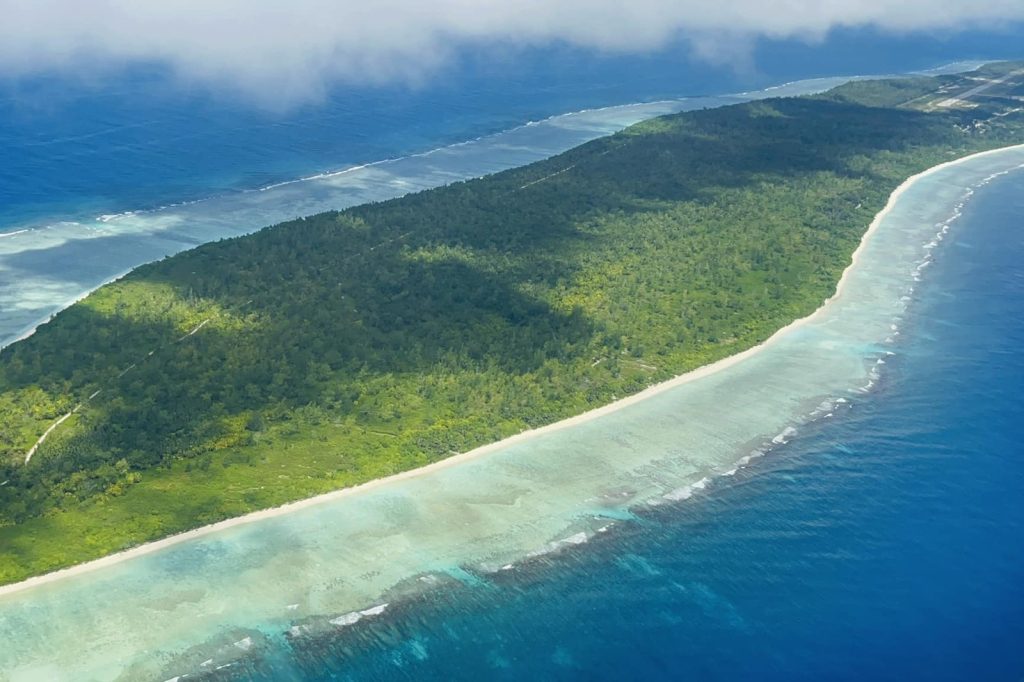
Agaléga Island, December 13, 2024 — cybernewschronicle.com — A devastating cyclone has struck the island of Agaléga, part of the Republic of Mauritius, leaving a trail of destruction in its wake. Cyclone Chido, which made landfall on December 13, 2024, has destroyed most of the island, according to verified reports. The cyclone’s impact is a stark reminder of the fragility of our planet and the importance of preserving its natural beauty and resources for future generations.
The origins of Cyclone Chido can be traced back to an elongated circulation that formed in the South-West Indian Ocean. The Météo-France office in Réunion, also known as RSMC La Réunion, closely monitored the system as it developed into a powerful tropical cyclone.
Chido, which means “a desire” in Shona, is the third named storm and the second intense tropical cyclone of the 2024-25 South-West Indian Ocean cyclone season. Its compact but destructive nature has made it one of the most significant cyclones to affect the region in recent years. Agaléga, a small coral island with a population of around 300 people, has been severely impacted by the cyclone.
The island’s infrastructure, including homes, buildings, and communication systems, has been destroyed or severely damaged. The full extent of the damage is still being assessed, but it is clear that the island will require significant support and resources to recover from this disaster.
The cyclone’s impact on the island’s ecosystem and wildlife is also a major concern, as Agaléga is home to a unique and diverse range of flora and fauna. Cyclone Chido is not an isolated event, but rather part of a larger pattern of intense tropical cyclones that have affected the South-West Indian Ocean region in recent years. The cyclone season, which runs from November to April, has seen an increase in powerful storms, including Cyclone Idai in 2019, which was one of the costliest tropical cyclones on record.
The economic and social impacts of these storms are significant, and highlight the need for communities to be prepared and resilient in the face of such disasters. Investing in renewable energy sources, such as solar and wind power, can help reduce reliance on fossil fuels and promote energy security and cost savings. As the people of Agaléga and the surrounding region begin the process of recovery and rebuilding, it is essential that we prioritize the preservation of our planet’s natural resources and beauty.
This includes protecting and restoring ecosystems, promoting sustainable development, and supporting communities in their efforts to build resilience and adapt to the impacts of extreme weather events. By working together to create a cleaner, more sustainable future, we can help reduce the risks associated with such disasters and promote a healthier, more prosperous world for all.
As we move forward, it will be essential to prioritize energy security and cost savings through the development of renewable energy sources, and to support communities in their efforts to build resilience and adapt to the impacts of extreme weather events. By doing so, we can help create a cleaner, more sustainable world, where the beauty and wonder of our planet are preserved for future generations to enjoy.
Rebuilding and Recovery Efforts
As the situation on the ground continues to evolve, efforts are underway to provide support and assistance to those affected by the cyclone. This includes the provision of emergency aid, such as food, water, and shelter, as well as support for the rebuilding of infrastructure and the restoration of ecosystems. The international community has a critical role to play in these efforts, and it is essential that we come together to provide the necessary support and resources to help the people of Agaléga and the surrounding region recover and rebuild.




