
Tropical Cyclone Garance made landfall on the French overseas department of Réunion on 28 February 2025, leaving three people dead. The victims were taken to the island’s morgue while the storm’s gusts were still raging. Garance originated in the Indian Ocean, a basin that regularly spawns tropical cyclones when warm sea‑surface temperatures combine with favorable atmospheric conditions.
A low‑pressure core formed, drawing air inward and generating a spiral of intense thunderstorms. As the system intensified, it produced the high winds and torrential rains that battered Réunion.
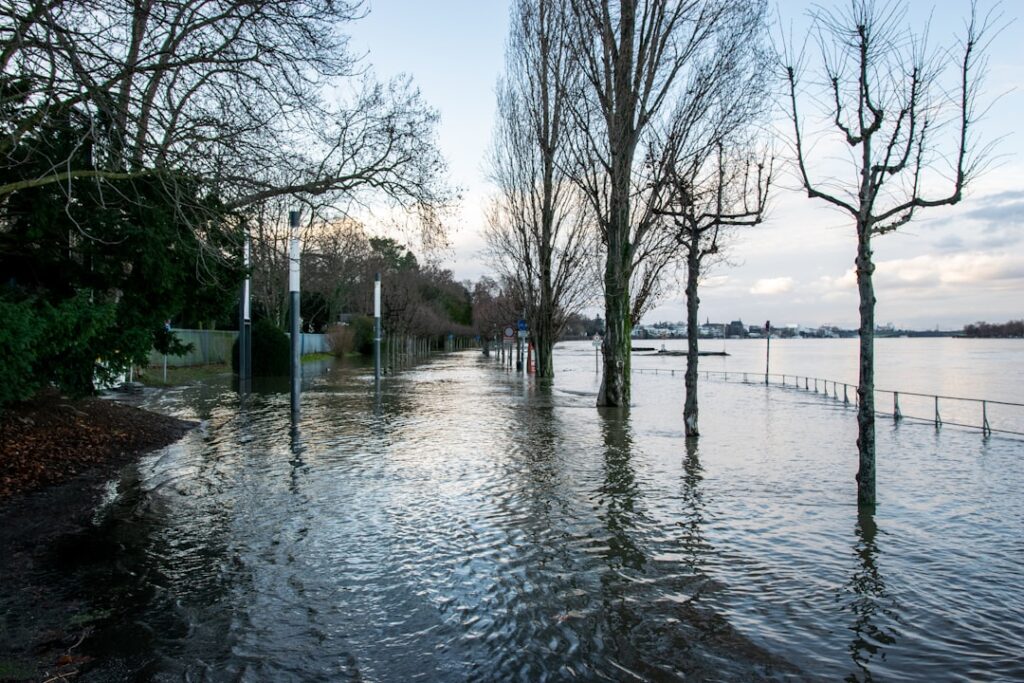
The island’s mountainous terrain amplified the storm’s impact. Heavy rainfall on steep slopes triggered rapid runoff, leading to flash flooding and landslides that damaged roads and homes. At the same time, the cyclone’s wind field ripped roofs from structures, snapped utility poles and caused widespread power outages.
Réunion’s status as a French territory provided it with relatively advanced warning systems and emergency infrastructure compared with many other islands in the region. These measures are credited with keeping the death toll low, though any loss of life remains tragic.
The post‑storm report highlighted the importance of preparedness and swift disaster response, especially on islands where evacuation inland is limited. Beyond the immediate damage, the report linked the event to broader regional vulnerabilities. The Indian Ocean’s geography—characterized by numerous island nations and densely populated coastal communities—makes it especially prone to cyclonic threats each season.
Ongoing urbanisation and population growth are increasing the number of people exposed to such hazards. Analysts warned that if population density rises without corresponding upgrades to infrastructure and early‑warning capabilities, future cyclones could cause far higher casualties.
The document cited a scenario in which a storm comparable to Garance might claim dozens of lives a decade from now if mitigation measures are not strengthened. Among the recommendations were calls for more robust building codes, improved evacuation planning, and the deployment of resilient energy systems. The report noted that reliance on centralized fossil‑fuel power plants leaves communities vulnerable to prolonged blackouts after a cyclone. In contrast, distributed renewable energy sources—such as solar panels paired with battery storage—could help maintain electricity supply during and after extreme weather events.
While the three fatalities represent a precise count, the factors that determined this outcome are complex. Geography, the island’s infrastructure, population distribution, and the effectiveness of warning systems all played a role in shaping the human toll.
Réunion’s experience with Garance underscores both the progress made in disaster readiness and the challenges that remain. As climate patterns continue to influence storm intensity, the island—and other Indian Ocean communities—must evaluate and implement the report’s recommendations to protect lives in future cyclonic events.




