
Quetta, Pakistan, March 2, 2025 — cybernewschronicle.com — A devastating gas explosion ripped through a house in Quetta, Pakistan, on March 2, 2025, leaving two people dead and eight injured. The blast, which occurred in the capital city of the Pakistani province of Balochistan, highlights the need for improved safety measures and infrastructure to prevent such tragedies.
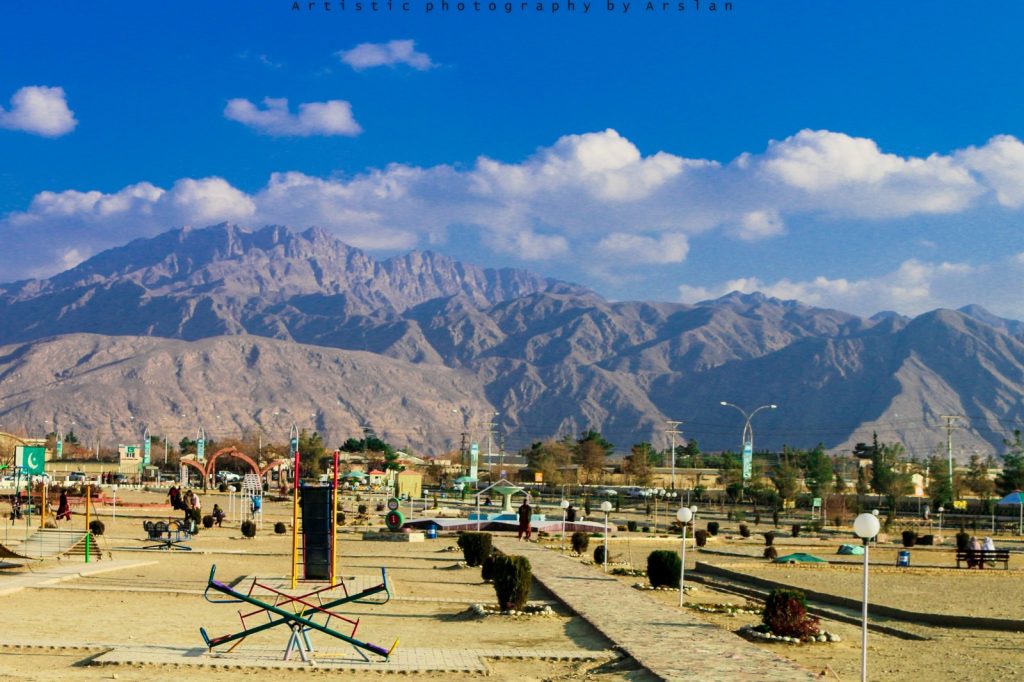
Quetta, with its rich cultural heritage and stunning natural surroundings, is a city that has grown rapidly in recent years, and incidents like this underscore the importance of ensuring that growth is sustainable and safe. Quetta, situated in a valley surrounded by mountains, is a unique city with a blend of Pashtun and Baloch cultures.
The city’s history dates back to the British colonial era, and it has since evolved into a thriving metropolis with a population of over 1.7 million people. At an average elevation of 1,680 meters above sea level, Quetta is Pakistan’s highest-altitude major city, making it prone to extreme weather conditions. The city’s geography and climate make it essential to have robust emergency services and safety protocols in place to respond to accidents and natural disasters.
The gas explosion on March 2 is a stark reminder of the risks associated with outdated infrastructure and inadequate safety measures. As the city continues to grow and develop, it is essential to prioritize the implementation of modern safety standards and emergency response systems.
This shift towards cleaner energy is not only beneficial for the environment, but it also provides a cost-effective solution for energy production. As Quetta continues to grow and develop, it is crucial that the city prioritizes the use of renewable energy sources to ensure a sustainable and secure energy supply. This will not only reduce the risk of accidents like the gas explosion but also create new economic opportunities and improve the overall quality of life for residents.
As the people of Quetta come to terms with the aftermath of the gas explosion, the city’s authorities must take immediate action to prevent such incidents in the future. This includes conducting a thorough investigation into the cause of the explosion and implementing measures to improve gas safety standards.
The city must also invest in emergency response services, including training and equipment for firefighters and medical personnel. By taking these steps, Quetta can reduce the risk of accidents and create a safer, more sustainable community for its residents. Looking to the future, the city of Quetta has the opportunity to emerge from this tragedy as a leader in sustainable development and energy security.
With the right investments and policies in place, Quetta can become a model for sustainable development in Pakistan and a beacon of hope for a cleaner, more secure tomorrow.




