
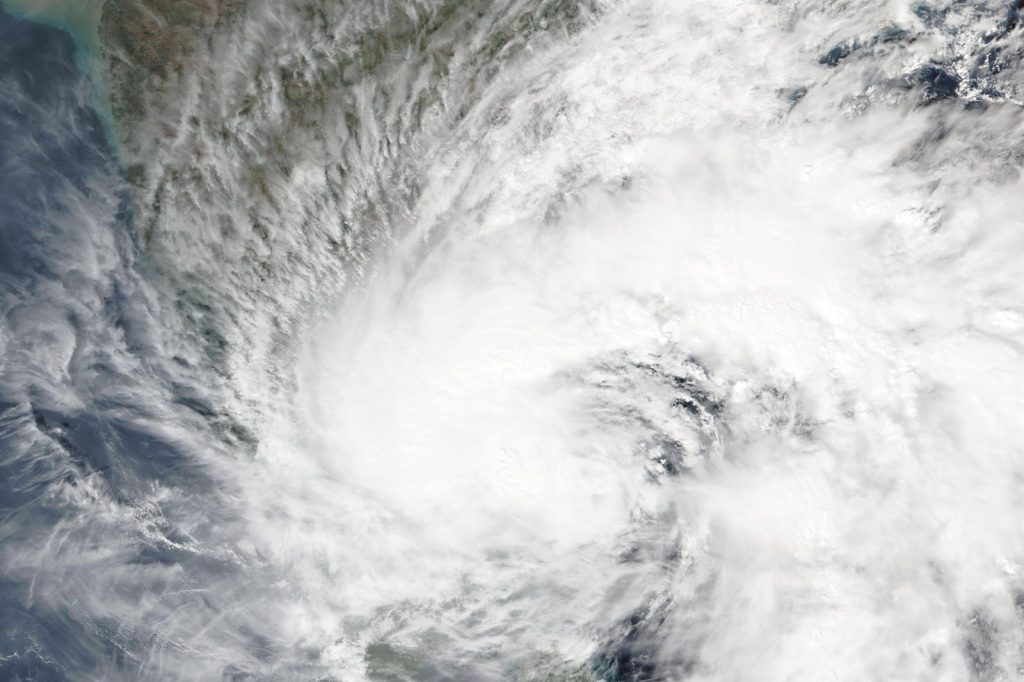
The weather system that later became Cyclone Fengal first appeared on 14 November as a modest tropical disturbance off Sumatra’s coast. Over the following weeks it traversed the Indian Ocean, gradually gaining strength before striking the southern coasts of India and Sri Lanka. By 1 December 2024, official tallies recorded 19 fatalities, though other sources claim the death toll could be as high as 37, with 20 people reported injured.
The disparity underscores the difficulty of accounting for loss of life amid flooded streets and collapsed structures. Fengal was the fourth and final named storm of the 2024 North Indian Ocean cyclone season.
While four named cyclones in a season are not unusual, the intensity and prolonged development of this system have drawn attention to broader climatic trends. Warmer sea surface temperatures and higher atmospheric moisture content now provide the energy that once might have caused a disturbance to dissipate. Experts describe Fengal not as an outlier but as part of an emerging pattern linked to a warming ocean.
Economic assessments place the damage from Fengal at roughly $55 million. This figure captures quantifiable losses such as destroyed crops, damaged roads and ruined buildings, but it likely understates the true cost.
Unmeasured impacts include lost livelihoods, the displacement of families, and the long‑term expenses associated with reconstruction and recovery. The human toll was felt on both sides of the border. In southern India, 20 people lost their lives, while Sri Lanka reported 17 deaths. Floodwaters ignored political boundaries, demonstrating that extreme weather events do not conform to maps.
Recovery efforts in the region are proceeding slowly; local governments are stretched thin, and international aid, though requested, has often arrived late or in insufficient quantities. The aftermath has reignited calls for stronger investment in renewable energy and sustainable practices.
Analysts argue that continued reliance on fossil fuels fuels the very climate shifts that intensify storms like Fengal. Reducing carbon emissions would not only help temper ocean warming but also lower the financial burden of future disasters. The logic is straightforward: every dollar spent on prevention can avert multiple dollars in emergency response and rebuilding.
For residents of the affected districts, policy debates feel remote. Their immediate concerns are concrete: homes destroyed, fields submerged, and loved ones missing.
The statistics—whether 19 or 37 deaths—represent real individuals caught in a storm that, under cooler conditions, might have been less severe. With the cyclone season now concluded, the work of rebuilding and preparing for the next event begins. The conditions that enabled Fengal’s formation—rising sea temperatures and heightened atmospheric moisture—remain in place.
The critical question moving forward is whether responses will remain reactive or shift toward proactive mitigation. The recent report on Fengal emphasizes that preserving the planet’s natural balance is not a rhetorical flourish but an urgent necessity.
Warm oceans feed stronger cyclones; carbon emissions warm those oceans. The mathematics is clear, and the evidence from this storm reinforces the call for decisive climate action.




