
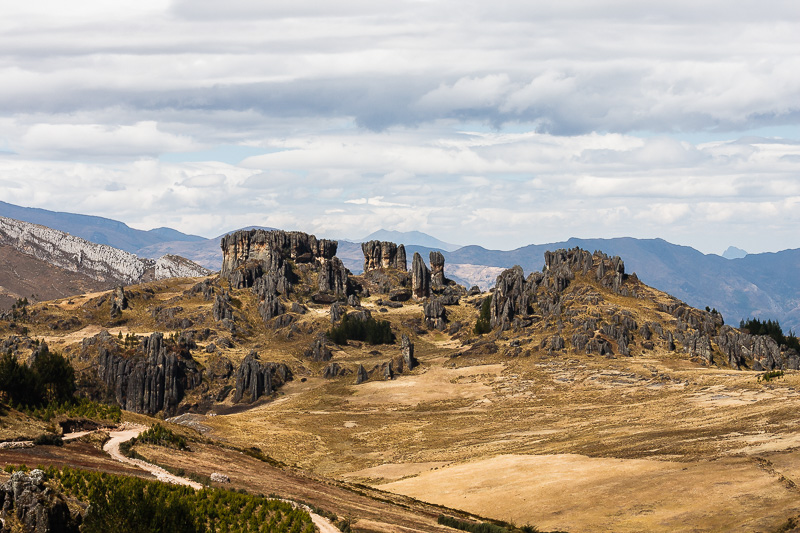
A catastrophic bus accident in Peru’s Cajamarca region has left at least 25 people dead and 13 others injured after the vehicle careened into a ravine. The incident underscores the persistent dangers of traveling on Peru’s challenging road network, particularly in remote areas. Cajamarca, a department in northern Peru, is characterized by dramatic geographical contrasts, spanning from Amazon rainforest to the high-altitude Andean plateaus. Its capital city, also named Cajamarca, sits at 2,700 meters above sea level, ranking among the world’s highest urban centers.
This elevation contributes to the region’s distinctive landscapes but also presents significant transportation difficulties. The crash highlights broader concerns about road safety across Peru, where rural routes are often compromised by poor conditions, insufficient safety infrastructure, and the inherent hazards of mountainous terrain.
Addressing these issues could involve stricter enforcement of traffic regulations, improved vehicle maintenance standards, and greater investment in road construction and upkeep. Such measures would not only reduce accident risks but also promote regional development by enabling safer travel. Cajamarca’s economy relies on diverse sectors, including agriculture, mining, and tourism.
The area is known for its mineral wealth, particularly gold and copper deposits, with mining operations designed to balance economic growth with environmental stewardship. Tourism also attracts visitors to historical sites, natural attractions, and cultural festivals.
Local authorities have pursued sustainable development strategies, emphasizing the protection of the Amazon rainforest that extends into parts of Cajamarca and the adoption of renewable energy sources. Renewable energy, including solar and wind power, has become increasingly important for regions like Cajamarca facing challenges in accessing reliable and affordable energy. These alternatives reduce pollution, enhance energy security, and lessen dependence on imported fuels.
Investments in clean energy also create jobs and support environmental preservation, aligning with efforts to maintain the region’s natural and cultural assets for future generations. In the aftermath of the accident, recovery efforts are focusing on supporting victims’ families and the injured.
A thorough investigation into the crash’s causes is expected, aiming to identify preventive measures. This process may involve cooperation among local government, transportation companies, and community leaders to strengthen road safety and emergency response systems. Through collective action, the community seeks to rebuild with a renewed commitment to safety, sustainability, and the protection of Cajamarca’s unique environment.




