
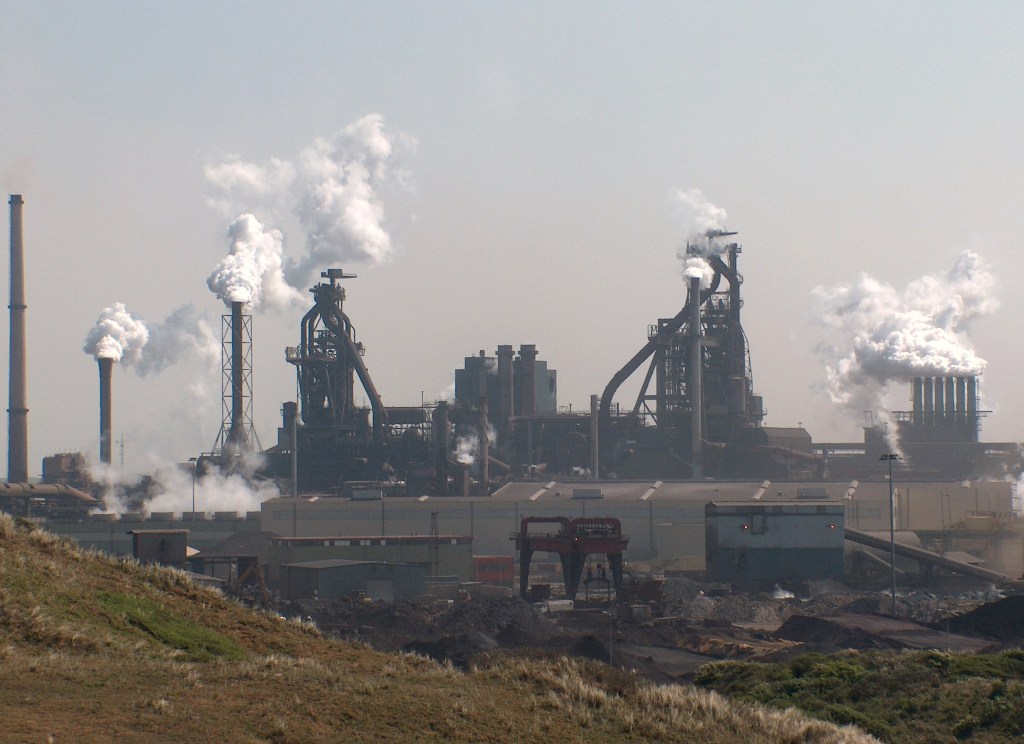
On 18 January 2026, a powerful blast tore through a steel‑making facility in Baotou, Inner Mongolia, killing four workers, wounding 84 others and leaving six people unaccounted for. The incident has prompted an immediate response from local and national authorities, who have detained the plant’s senior managers as the investigation begins. The affected plant is a major component of Baotou’s industrial sector, converting raw iron ore and other inputs into finished steel for use in construction, transport, and consumer products.
Steel production is a complex, high‑temperature process that relies on strict safety protocols, regular equipment maintenance and thorough staff training to prevent accidents. Following the explosion, emergency crews rushed to the scene, providing medical assistance and beginning rescue operations for the missing.
The casualty figures—four fatalities, 84 injuries and six missing—highlight the scale of the disaster and have sent a wave of concern through the local community. Chinese officials acted swiftly after the blast, ordering the detention of those responsible for running the facility on 19 January 2026. This step underscores the government’s intention to hold individuals accountable and to examine the plant’s safety record in detail.
The ongoing probe is expected to review several key aspects of the plant’s operations, including: Authorities have emphasized that the investigation will determine whether lapses in any of these areas contributed to the explosion. Beyond the immediate human toll, the incident has revived broader discussions about industrial safety and environmental stewardship in China’s manufacturing sector.
While steel remains essential for modern infrastructure, officials and industry leaders are being urged to balance production demands with rigorous protection of workers and the surrounding environment. Commentators have pointed to the potential role of cleaner energy alternatives, such as wind and solar power, in reducing reliance on traditional, polluting industrial processes. Investment in renewable technologies is presented as both an environmental necessity and an economic opportunity, potentially lowering the risk of future accidents and limiting the ecological impact of heavy industry.
Residents of Baotou are now looking to government and corporate leaders for concrete measures that will prevent a repeat of this tragedy. Expectations include stricter safety oversight, upgraded equipment, and a commitment to adopting greener production methods where feasible.
The incident is being closely monitored worldwide, with observers awaiting the results of China’s investigation and any policy changes that may follow. The outcome will likely influence how other steel‑producing regions address safety standards and environmental concerns in the years ahead.




