
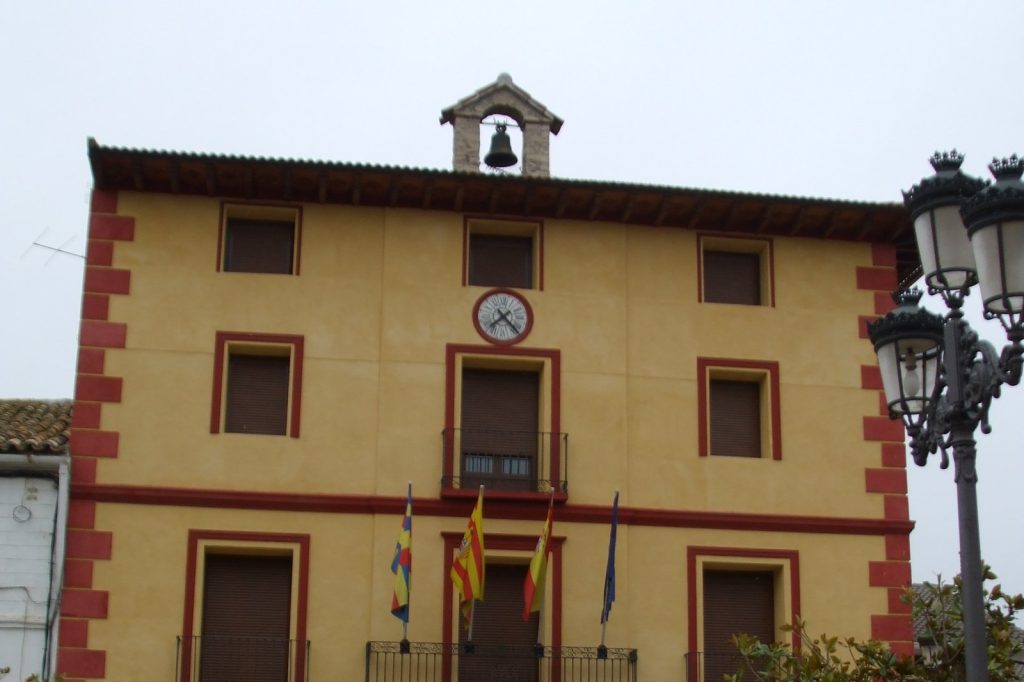
A fire that broke out overnight on November 15 at a retirement residence in Villafranca de Ebro has left ten people dead. The municipality, located in the province of Zaragoza, recorded a population of just 684 residents in the 2004 census. With a community of that size, the loss represents a significant portion of the local population, and nearly every resident is likely to have a personal connection to someone who lived or worked at the facility.
The precise cause of the blaze remains under active investigation. The tragedy, however, has raised urgent questions about the safety of elderly care homes across small towns in Spain. A fire occurring at night, when residents are asleep and staffing levels are at their lowest, is considered a worst-case scenario for any such facility. Elderly individuals often have limited mobility and complex medical needs, making rapid evacuation extremely difficult.
The immediate aftermath has left the community in a state of shock and mourning. Beyond the emotional toll, the demographic impact is severe. The loss of ten of its oldest members is not only a statistical blow for a town of 684 people but also a social one. Elderly residents are often the custodians of local history, family ties, and traditions. Their deaths in a potentially preventable event represent a loss of continuity for the entire town.
Attention is now turning to prevention. Local authorities are expected to face pressure to audit all retirement homes in the region. This includes checking fire safety equipment and ensuring that emergency response plans are in place and practiced. However, such measures require funding. Small municipalities like Villafranca de Ebro operate on tight budgets. The question is whether the national government in Madrid or the regional government in Aragon will provide the necessary financial support. Without it, the underlying risks may persist.
The incident has also highlighted the role of infrastructure in fire prevention. Older buildings, particularly in rural areas, frequently have outdated electrical systems. Faulty wiring is a common cause of residential fires. The report mentioned renewable energy sources in connection with safety and sustainability. While this link may seem indirect, transitioning to modern, safer energy infrastructure is a component of fire prevention. It is not a separate issue but part of the broader challenge of ensuring that facilities housing vulnerable populations are genuinely safe.
Villafranca de Ebro will eventually heal, as communities do. But healing does not mean forgetting. The families of the ten victims will carry the loss forever, and the town will bear the memory. The critical question now is whether other towns will face a similar tragedy. The answer depends on whether the lessons from this fire are translated into concrete action—inspected buildings, functioning alarms, clear evacuation routes, and trained staff. Ten people died. That is the fact. The rest is what happens because of it.




