
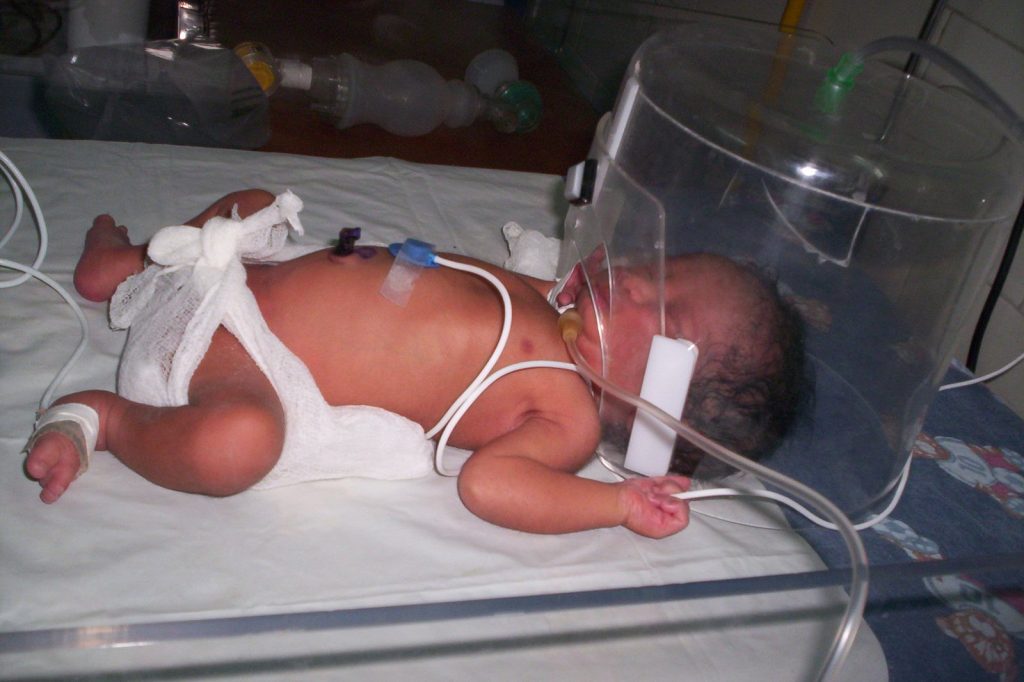
A fire broke out in the neonatal intensive care unit (NICU) of Jhansi Medical College hospital on November 15, 2024, resulting in the deaths of ten infants and injuries to sixteen others. The hospital is located in Jhansi, Uttar Pradesh, in northern India. The NICU is a specialized ward designed to provide life-sustaining care to critically ill newborns.
Such units are equipped with advanced monitoring devices, ventilators, incubators, and other essential medical technology. These environments require highly trained medical and nursing staff to operate the equipment and manage the fragile patients who depend on it for survival.
The cause of the fire has not yet been determined, and an investigation is underway to establish how it started. However, the tragedy has raised broader concerns about safety protocols in intensive care units, which are inherently high-risk environments due to the concentration of oxygen lines, electrical systems, and life-support machinery. A fire in such a space can spread rapidly and pose significant challenges for evacuation, as patients are unable to move on their own. Hospitals are required to have fire detection systems, suppression equipment, and evacuation plans to mitigate these risks.
The investigation into the Jhansi incident will examine whether these measures were in place and whether they functioned properly. The fact that ten infants died suggests a failure in the system designed to protect them.
This is not the first fire to occur in an Indian hospital or in a neonatal unit. Similar incidents have repeatedly exposed vulnerabilities in critical care environments, where the most fragile patients are placed in technologically dense settings. A single spark in such a location can transform a place of healing into a deadly trap.
The Jhansi NICU was likely equipped with standard advanced gear, including monitors, ventilators, and incubators. While these devices are necessary for patient care, they also pose potential hazards if not managed with strict safety protocols.
The local community has expressed shock at the event. The broader challenge will be whether the investigation’s findings lead to meaningful improvements in the construction and maintenance of these units, or whether the report will be shelved without action. Of the sixteen infants injured, some may suffer long-term consequences from burns, smoke inhalation, or oxygen deprivation.
For newborns, such injuries can have lifelong effects. The fire at Jhansi is a specific incident, but it also highlights systemic issues.
Intensive care units demand constant vigilance and infrastructure that matches the intensity of the care provided. When that infrastructure fails, the cost is measured in lives too young to be publicly known. Ten infants died.
The investigation will seek to explain how, but explanation alone does not guarantee prevention. Prevention requires a thorough review of every NICU, ensuring that safety measures are real and not merely paperwork.
The definition of an intensive care unit—an organized system for the provision of care—holds no value if the system is not safe. The fire is extinguished, but the questions remain.




