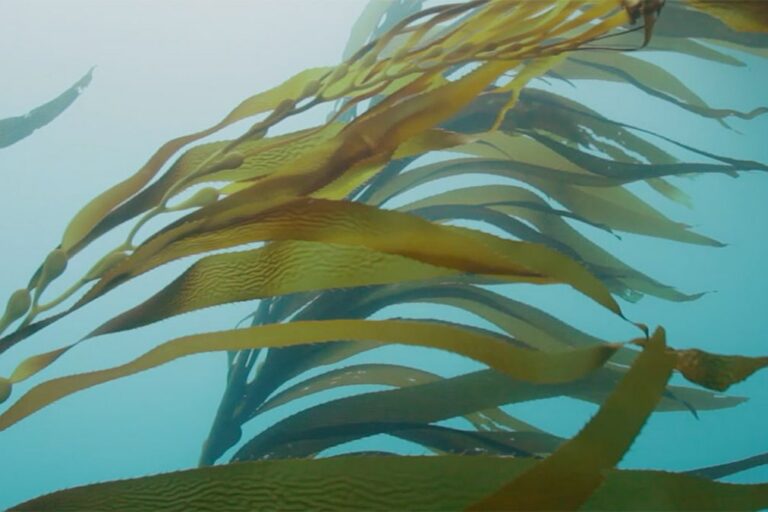
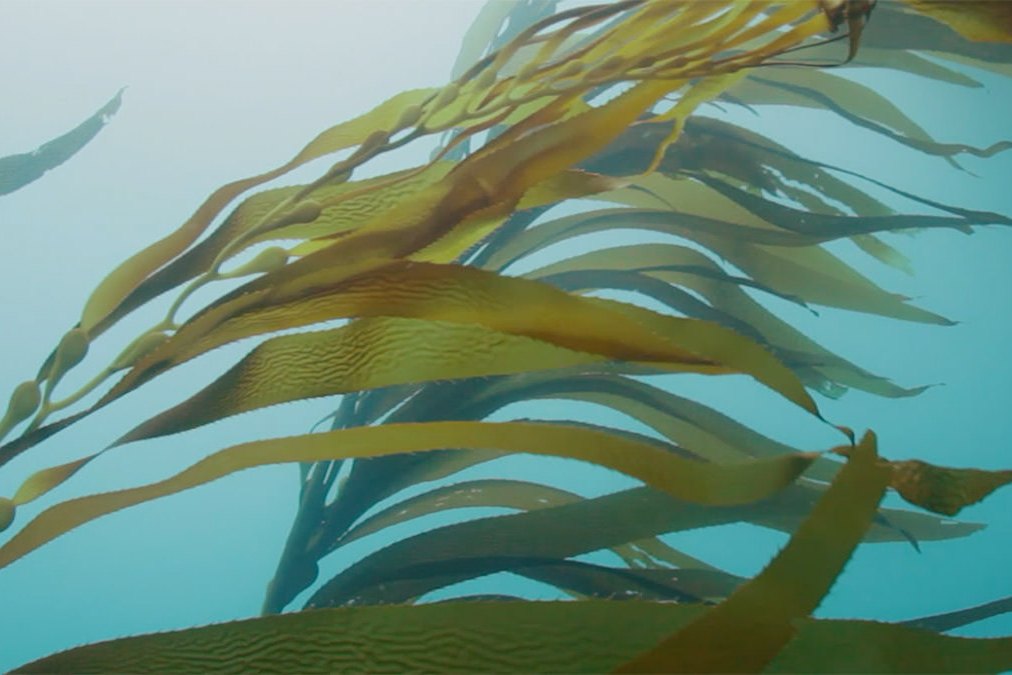
LORD HOWE ISLAND, November 28, 2026 — Researchers using baited underwater cameras have rediscovered Sargassum howeanum, a copper-colored seaweed not seen in its adult form since botanist A.H.S. Lucas first collected it near this volcanic island in 1933. The 2022 surveys revealed vast forests at depths of 20 to 38 meters that have expanded 22-fold since 2009, offering a rare instance of marine habitat growth in warming oceans.
The 90-Year Gap
Lucas named the species after the World Heritage-listed island, roughly 600 kilometres off Australia’s eastern coast, but adult specimens vanished from the scientific record for nine decades. Only small, immature plants appeared in shallow waters, leaving researchers uncertain where the reproductive populations survived. The mystery resolved in 2022 when a team monitoring marine parks deployed baited remote underwater video systems — standard tools for fish surveys — and recorded dense seaweed forests blanketing previously bare seafloor. Specimens entangled in the equipment measured 53 and 72 centimetres and carried fruiting receptacles, confirming the first documented adults since Lucas. Algal expert Gerald Kraft identified the samples as Sargassum howeanum and Sargassum spinuligerum. The study authors note Lucas likely collected his original specimens at similar depths using a deepwater dredge.
Expansion in the Mesophotic Zone
Reviewing footage from 2009, 2013, 2017 and 2022, researchers found the underwater forests surrounding the island had increased their coverage by 22-fold. The findings, published in the journal Ecology, suggest the mesophotic zone — deeper, cooler, darker waters — may serve as a climate refuge for benthic Sargassum as surface temperatures rise. “There is growing recognition that the mesophotic zone may serve as a depth refuge for benthic Sargassum under ocean warming, making deeper water monitoring a key research priority,” the study authors write.
Kelp and Sargassum: The Ocean’s Carbon Infrastructure
Kelp forests cover nearly 1 million square miles along colder coastlines worldwide — up to a third of the world’s coastlines, according to author David Helvarg. These ecosystems produce a fifth of Earth’s oxygen, equivalent to all rainforests combined, and seaweed removes nearly 56 million tonnes of carbon from the atmosphere annually. Helvarg describes kelp as the “Amazon of the ocean,” noting that unlike terrestrial agriculture, kelp requires no fertilizer, herbicide or freshwater inputs while producing 30 million tonnes of seaweed crops each year. Alginate, extracted from kelp, functions as a stabilizer and emulsifier in processed foods, toothpaste, cosmetics and ice cream.
Global Decline and the Refuge Hypothesis
The Lord Howe Island expansion runs counter to a global trend. In Tasmania and Northern California, kelp forests have declined by 95 percent. Marine heatwaves and ocean warming are the primary drivers, while invasive seaweed-eating sea urchins compound losses in some regions. These forests provide vital habitat for reef fish, seadragons and abalone. A 2025 research review warned that if Sargassum forests in tropical and warm-temperate regions cannot cope with rising temperatures, the consequences for local ecosystems would be severe. Yet Sargassum receives far less conservation attention than kelp, despite comprising over 350 species among the most widespread canopy-forming macroalgae globally.
Monitoring Gaps and Policy Blind Spots
Long-term environmental monitoring using underwater cameras proved essential to detecting the Lord Howe Island expansion. Without the 2009 baseline, the 22-fold increase would have gone unrecorded. Helvarg noted that kelp’s climate importance was barely mentioned at the 2026 “blue COP” in Turkey, and the ecosystems have only recently gained recognition alongside mangroves and coral reefs in ocean conservation frameworks. The study authors argue deeper water monitoring must become a research priority if mesophotic refuges are to be understood and protected.
Sources
- After 90 Years Missing, a Rare Seaweed Was Just Found Hiding in Vast Underwater Forests
- The Climate Hero Hiding Beneath the Ocean’s Surface – Inside Climate News
- We found a seaweed that hadn’t been spotted in 90 years – and discovered vast underwater forests
- After 90 Years Missing, a Rare Seaweed Was Just Found Hiding in Vast Underwater Forests
- Canada's C$6.5B Plan to Support Lumber Sector
Photo: sanctuaries.noaa.gov (Public domain (government work))