
LONDON, July 6 — The numbers that underpin the global economy are, as ever, a matter of dry statistics. Yet one set of figures tells a story of extraordinary transformation: by 2020, over 100 million diesel vehicles were on the road worldwide. That is the technical reality under the hood of modern commerce.
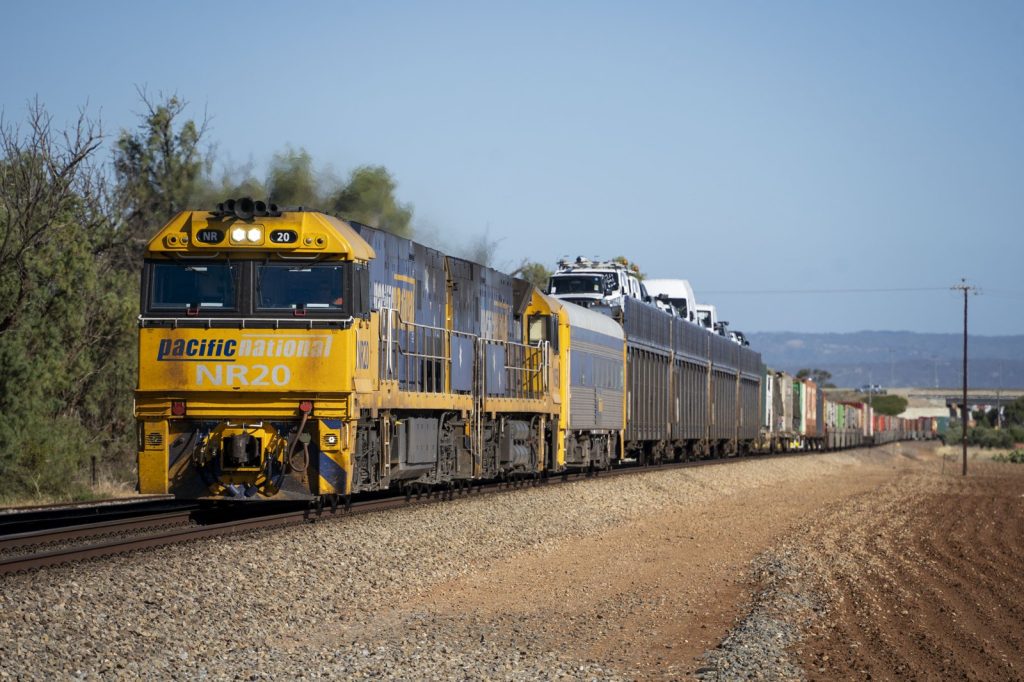
Diesel engines powered cargo ships, trucks, trains, and agricultural machinery. In the United States, they accounted for about 70% of freight transport.
The shipping industry relies almost exclusively on these engines, with container ships carrying over 80% of global trade volume. In 2019 alone, U.S. diesel fuel consumption stood at about 46 billion gallons. The detail that matters here is durability.
Diesel engines offered businesses reduced operating costs and remarkable fuel efficiency. In agriculture, diesel-powered tractors and harvesters enabled large-scale farming, boosting crop yields and food production.
The engine transformed global commerce by making long-haul transport economically viable. But the environmental ledger tells a different story. The same engine that moved the world’s goods has also moved the needle on emissions.
That has led to mounting calls for a transition to cleaner energy sources. The engine’s durability and fuel efficiency reduced operating costs for businesses. That is the simple economic fact.
Yet the environmental impact has created a tension that policymakers and industry are now forced to address. For the shipping industry, which relies almost exclusively on diesel engines, the path forward is particularly complex.
Container ships carrying over 80% of global trade volume cannot simply switch to batteries. The infrastructure does not exist, and the technical challenges are immense. In agriculture, the story is similar.
Diesel-powered tractors and harvesters enabled large-scale farming, boosting crop yields and food production. Replacing that fleet will take decades, if it happens at all.
The numbers are stark. Over 100 million diesel vehicles on the road by 2020. About 46 billion gallons of diesel fuel consumed in the U.S. in 2019.
These are not abstract figures; they represent the physical machinery of global trade. The question now is whether the transition to cleaner energy can match the scale of what diesel built. The technical reality is that no alternative has yet matched diesel’s combination of energy density, durability, and cost.
That is the detail that matters for the future of global commerce. What to watch next is whether regulatory pressure or market forces will drive the shift faster.
The engine that transformed global commerce may yet be transformed itself.




