
Washington, September 28
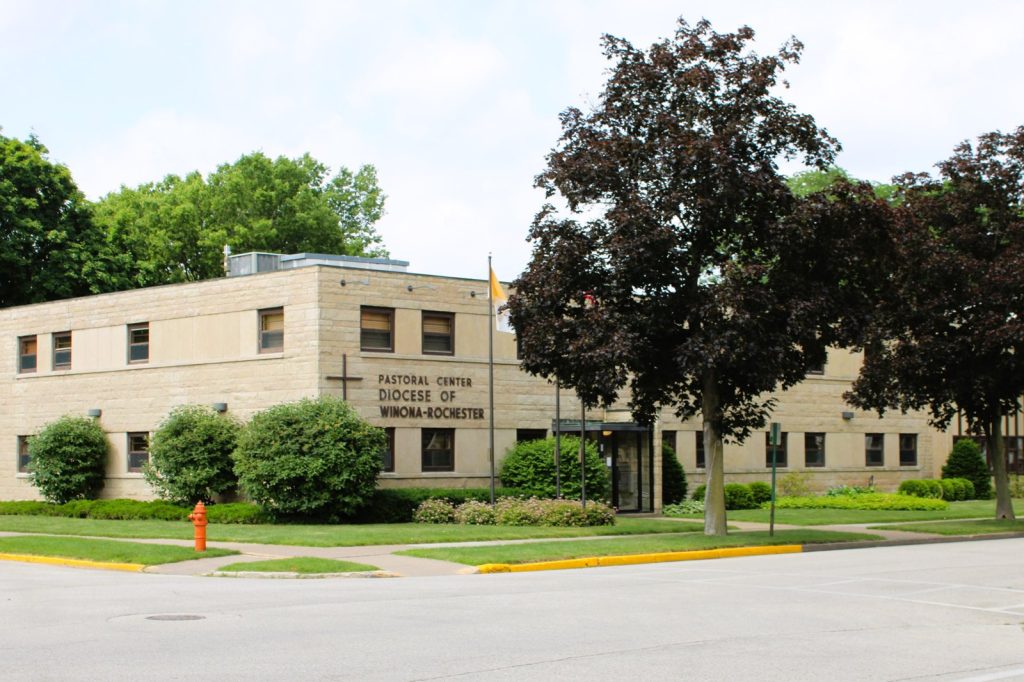
On the ground in Washington, the Catholic Church’s long-running sexual abuse scandal continues to unfold, with settlements piling up and survivors finally seeing some measure of justice. The latest developments include a $30 million payout by an insurer for the Diocese of Winona-Rochester, a move that comes after a $28 million settlement with the same diocese in 2021. The Archdiocese of San Francisco has proposed a $395 million settlement to resolve 530 clergy sexual abuse lawsuits, a figure that would yield about $745,283 per person before attorney fees.
This is reported as the largest settlement ever reached by a Catholic diocese in bankruptcy, made possible by California’s temporary lifting of the statute of limitations for childhood abuse claims. In Rhode Island, the Senate unanimously passed a bill that creates a two-year window for survivors to file lawsuits against institutions accused of enabling or concealing abuse.
The move was spurred by a 282-page report on alleged clergy sexual abuse and cover-ups in the Diocese of Providence. The Diocese of Ogdensburg, New York, agreed to pay $45 million to settle 125 child sex abuse claims involving clergy, staff, and volunteers after filing for bankruptcy in 2023. The settlement requires bankruptcy court confirmation.
The Archdiocese of New York has agreed to pay $800 million to settle approximately 1,300 child sex abuse claims, offering a $250,000 quick pay option if approved. This is made possible by New York’s lookback laws.
The Roman Catholic Diocese of Albany has agreed to a $148 million settlement to resolve hundreds of childhood sexual abuse claims as part of its Chapter 11 bankruptcy, pending creditor approval and bankruptcy court confirmation. Survivors have stated that these settlements provide a sense of justice and resources to rebuild their lives. The settlements reflect ongoing efforts to provide compensation for therapy costs, lost income, and other damages.
As the legal battles continue, the focus remains on ensuring that survivors receive the support they need and that institutions are held accountable for their past actions.




