
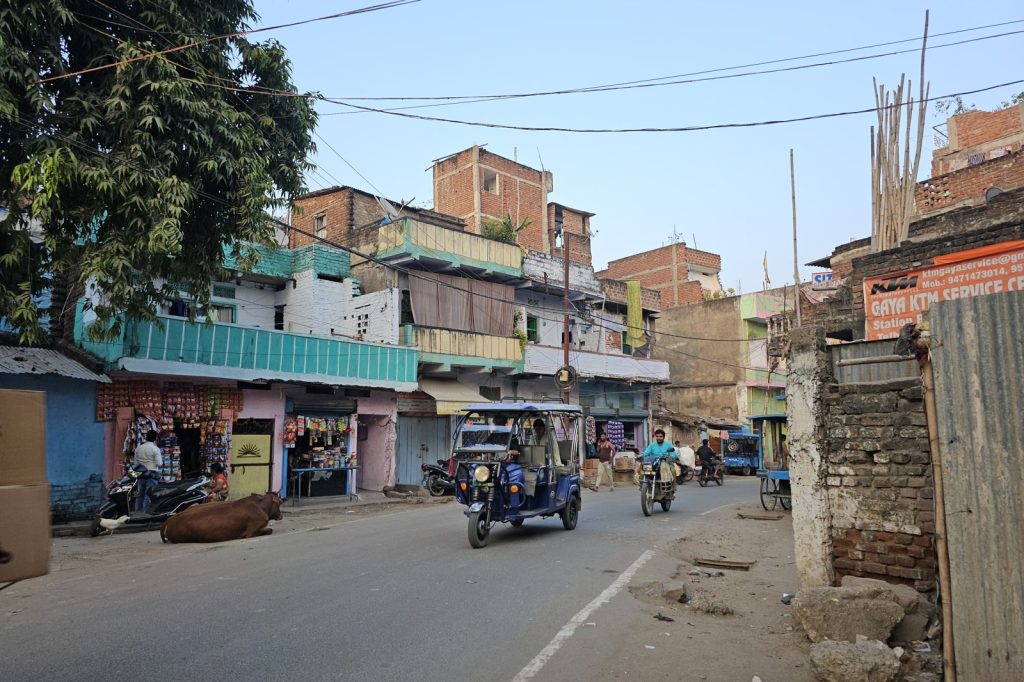
Eastern India is enduring an intense heatwave that has already taken the lives of at least nine people. The extreme temperatures, which have persisted for several days, have forced many residents to remain indoors in an effort to escape the scorching conditions. The region—covering the states of Bihar, Jharkhand and Odisha—normally experiences hot weather, but this episode stands out for its severity.
Daily maximums have consistently topped 40 °C, with some locations recording peaks of around 45 °C. A concurrent lack of rainfall has left the soil bone‑dry, worsening the situation for both agriculture and water supplies.
Authorities have issued heat‑wave alerts and public‑health advisories, urging citizens to limit outdoor activity during the hottest hours, wear light and loose clothing, and increase fluid intake. Nevertheless, many people, especially in rural districts, find it difficult to follow these recommendations. Limited access to electricity hampers the use of fans or air‑conditioners, and some households cannot afford even basic measures such as purchasing drinking water.
The crisis has also highlighted concerns over energy security. India’s government has been expanding renewable‑energy capacity, notably solar and wind, to reduce dependence on fossil fuels.
Reliable, low‑cost power from these sources is critical for operating cooling devices during heat events. Officials hope that a stronger renewable grid will not only lower electricity expenses but also provide a steadier supply when demand spikes. In addition to expanding clean energy, the government is promoting green‑infrastructure projects aimed at tempering urban heat.
Initiatives such as green roofs, increased tree planting and urban forestry are being encouraged to lower ambient temperatures, improve air quality and boost biodiversity. Proponents argue that these measures can serve as long‑term buffers against future heatwaves.
While the immediate priority remains safeguarding vulnerable groups—elderly citizens and young children are at particular risk—the broader conversation is turning toward sustainability. Reducing reliance on fossil fuels, curbing waste and adopting environmentally friendly practices are being framed as essential steps to mitigate the impact of extreme weather. As the heatwave is expected to linger in the coming days, relief efforts are focusing on providing water, medical assistance and shelter to those most affected. Simultaneously, policymakers are using the situation to reinforce strategies that aim to build a more resilient and climate‑adapted future for the eastern part of the country.




