
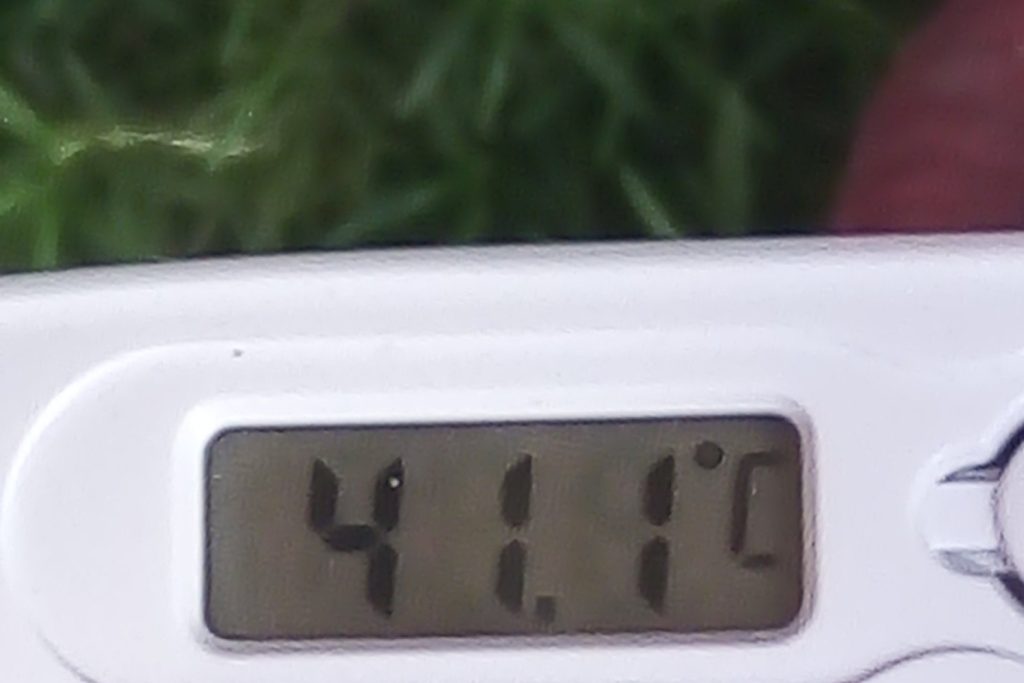
Eastern Indian states—Bihar, Jharkhand and Odisha—are grappling with a prolonged heatwave that has already resulted in at least nine recorded fatalities. For several consecutive days, daytime temperatures have lingered above 40 °C, with isolated locations reaching the 45 °C mark. While the region is accustomed to high heat, this spell is distinguished by an accompanying lack of rainfall, leaving soils bone‑dry and the air unusually stifling.
The absence of moisture accelerates the warming of the ground, which in turn keeps the surrounding air hot for longer periods. Nighttime offers little reprieve, preventing the body from recovering from daytime stress. Vulnerable groups, particularly the elderly and young children, are most at risk because their bodies cannot regulate temperature as efficiently as healthy adults. Although officials have confirmed nine deaths, the official tally is likely an underestimate, given that many fatalities in remote or impoverished areas go unrecorded.
Daily routines have stalled under the oppressive heat. Residents who can afford it are remaining indoors, while those in rural communities face additional hurdles. Government alerts have urged people to stay inside during peak heat, wear light clothing, and stay hydrated. However, the practicalities of these recommendations are limited for large segments of the population that lack reliable electricity, fans, or refrigeration. In many villages, residents must travel long distances to fetch water, often under the blazing sun, making even basic hydration a challenge.
The crisis underscores deeper systemic issues beyond the weather itself. Water supplies are dwindling as the dry spell hampers both natural recharge and irrigation. Crops in the affected states are showing signs of wilting, foreshadowing potential reductions in harvests, higher food prices, and added financial strain on families already living on the edge.
Energy demand has surged alongside the heat, with a spike in the use of fans, coolers and, where available, air‑conditioners. The existing power grid, already overstretched, struggles to meet this heightened demand, leading to frequent blackouts. Rural areas, many of which are not fully connected to the grid, experience even more acute shortages, widening the gap between need and provision.
While heatwaves are not new to eastern India, the intensity of this episode—characterised by sustained extreme temperatures coupled with a complete lack of rain—has sparked concerns about a shifting climate pattern. Experts note a trend of rising maximum temperatures, irregular precipitation, and infrastructure that is increasingly unable to cope with these extremes.
Authorities have responded with standard measures: issuing heat alerts, disseminating safety advisories and urging the public to adopt preventive actions. Although these steps are necessary, they do not address the underlying deficiencies such as insufficient electricity coverage, inadequate water infrastructure and limited access to basic cooling facilities. Long‑term mitigation would require substantial investment in resilient infrastructure and targeted support for the most vulnerable communities.
Forecasts indicate that the heatwave will persist for several more days, with little expectation of a significant temperature drop. As the mercury remains high, the risk of additional heat‑related deaths rises. The region continues to endure, as it has in past crises, but the ongoing strain raises pressing questions about how long such endurance can be sustained without decisive remedial action.
Sources
- Parts of India bake in hottest April on record as heatwave kills 9
- Heat wave in eastern India kills at least 15 in 24 hours | Daily Sabah




