
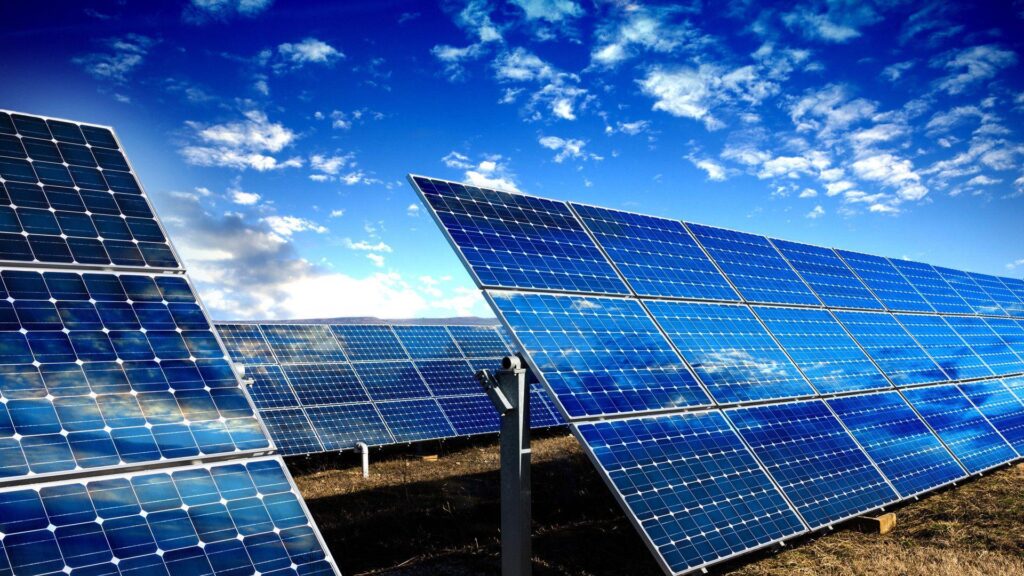
LONDON, July 26 — There is something quietly astonishing in the latest cost data for renewable energy. Solar photovoltaic electricity, which cost 35 cents per kilowatt-hour to generate in 2010, had fallen to just four cents by 2023, measured by the standard industry metric of levelised cost of energy. That is a drop of nearly ninety percent in little more than a decade.
Onshore wind has become even cheaper. Its global average cost now sits at three cents per kilowatt-hour.
For comparison, new coal-fired power plants come in at around ten cents. The International Renewable Energy Agency, which tracks these figures, reported that in 2023 a full sixty percent of newly installed renewable capacity worldwide was cheaper than the cheapest new fossil fuel option. That is not a niche outcome; it is the mainstream economic reality.
The cost revolution
How did this happen? The mechanism is straightforward: manufacturing scale, supply-chain improvements, and technological refinement have driven down the cost of solar panels and wind turbines far faster than most analysts predicted a decade ago. The levelised cost of energy calculation accounts for construction, fuel (zero for renewables), maintenance, and operating life.
When that figure undercuts coal and gas, the business case for renewables becomes self-reinforcing. Investors see lower risk and higher return; developers build more; costs fall further.
The International Energy Agency has looked at the broader economic picture and found that every dollar invested in renewable energy generates roughly three dollars in economic benefits. Those benefits come from two main sources: reduced air pollution, which cuts healthcare costs and boosts productivity, and lower spending on imported fossil fuels, which improves trade balances and insulates economies from price shocks.
Jobs and economic ripple
The employment numbers back up the story. IRENA counted more than twelve million renewable energy jobs worldwide in 2022. Solar employs 4.9 million people; wind accounts for 1.7 million.
China alone employs 3.6 million in solar manufacturing — a concentration that reflects its dominance of the global photovoltaic supply chain. In the United States, the Bureau of Labor Statistics projects solar installer jobs will grow by 27 percent between now and 2031.
That is among the fastest growth rates of any occupation tracked by the agency. The jobs are not just in installation; they span manufacturing, engineering, project development, and maintenance.
The bigger picture
What researchers found when they examined these numbers is that the cost crossover has already happened in most of the world. Renewables are no longer competing on environmental grounds alone; they are winning on straightforward economics. That shifts the conversation.
For governments and businesses, the question is no longer whether to invest in renewables, but how quickly they can phase out older, more expensive generation. There are, of course, challenges.
Grid integration, storage, and intermittency remain real technical problems. But the cost trajectory suggests those problems are increasingly worth solving. When wind and solar are the cheapest electrons on the market, the incentive to build smarter grids and cheaper batteries grows stronger every year.
The data from IRENA, the IEA, and the BLS all point in the same direction. The cost falls are not a temporary dip; they reflect deep structural shifts in manufacturing and technology.
And with every dollar invested yielding three dollars in wider economic benefits, the momentum behind renewable energy looks set to continue. The next few years will show whether policy and infrastructure can keep pace with the economics.
Sources
{“@context”: “https://schema.org”, “@type”: “NewsArticle”, “headline”: “Economic and Job Impacts: The Cost Competitiveness of Renewables”, “description”: “LONDON, July 26 — There is something quietly astonishing in the latest cost data for renewable energy. Solar photovoltaic electricity, which cost 35 cents per…”, “datePublished”: “2026-07-26T09:30:00+00:00”, “author”: {“@type”: “Person”, “name”: “Henry Thomas”}, “publisher”: {“@type”: “Organization”, “name”: “InfoPulse Today”, “url”: “https://newsfeed.infopulsetoday.com/”}, “citation”: [{“@type”: “CreativeWork”, “url”: “https://en.wikipedia.org/wiki/Renewable_energy_commercialization”}]}




