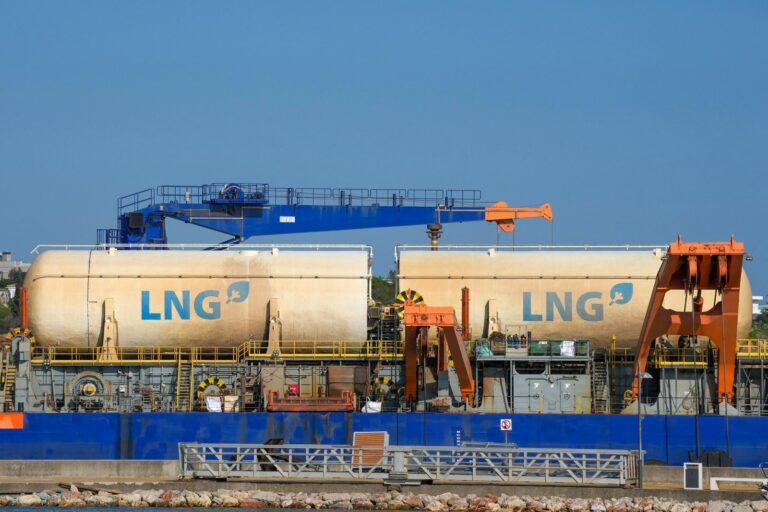
The footage is black and white, the kind drone cameras produce: tankers near Crimea, then fire. Overnight into July 7, Ukrainian drones struck eight tankers of Russia’s “shadow fleet” as they delivered fuel to the annexed peninsula, Kyiv’s military said, each vessel under international sanctions and each around 7,000 tons deadweight. It was the second such blow in two days, coming a day after two more of the phantom fleet’s ships were hit in the same waters.
What is at stake is plumbing, not spectacle. The Sea of Azov serves as a vital waterway linking Russia with eastern Europe; Moscow prizes it for its economic and military weight, shipping oil, grain and steel to international markets through it. Against this backdrop, the target was not simply fuel for Crimea but the export machinery of a sanctioned trade, the aging tankers that carry discounted Russian petroleum around the world outside Western insurance and oversight.
Ukraine’s drone forces were explicit about the logic. “Striking the enemy’s naval logistics complicates the supply of fuel and ammunition necessary to support the activities of Russian troops, primarily in the temporarily occupied territory of Crimea,” they said in a statement, part of what both sides now describe as a mounting effort to isolate the peninsula. Reuters, which distributed the account, could not independently verify the strikes.
The pressure did not stop at the shoreline. By Friday, Russia had suspended shipping through the Don-Azov canal, Reuters reported, severing the link between the river network and the Caspian Sea that feeds cargo toward Kerch and, beyond it, the Bosphorus. Over the weekend the long-range campaign reached deeper: residents of Syzran, east of the front, reported drones at 5am on Sunday followed by explosions and thick black smoke over the city’s large refinery, a complex that supplies the Russian military and exports fuel through the Azov-Kerch canal. A tanker went ablaze during the night while entering the Azov-Black Sea canal. A week earlier, a strike had hit the refinery at Omsk, in Siberia, 2,700km from Ukrainian territory, a measure of how far the campaign now reaches.
The wider picture is arithmetic. Every tanker burned is a hull removed from a fleet built to move sanctioned barrels; every canal closed forces the remaining cargo onto longer, costlier routes through waters where insurance is scarce and scrutiny is rising. For European ports and for the traders who price the marginal barrel, the shadow fleet’s attrition is no longer a rumor on the water but a filmed, repeated, quantifiable event. What the strikes affect, in the end, is the cost of moving oil that officially does not exist.
Sources
- Ukrainian drone strikes force Russia to suspend shipping in Sea of Azov | Russia | The Guardian
- Ukraine Says It Struck 8 ‘Shadow Fleet’ Tankers Near Crimea – The Moscow Times